
How to Welcome Disabled Fans
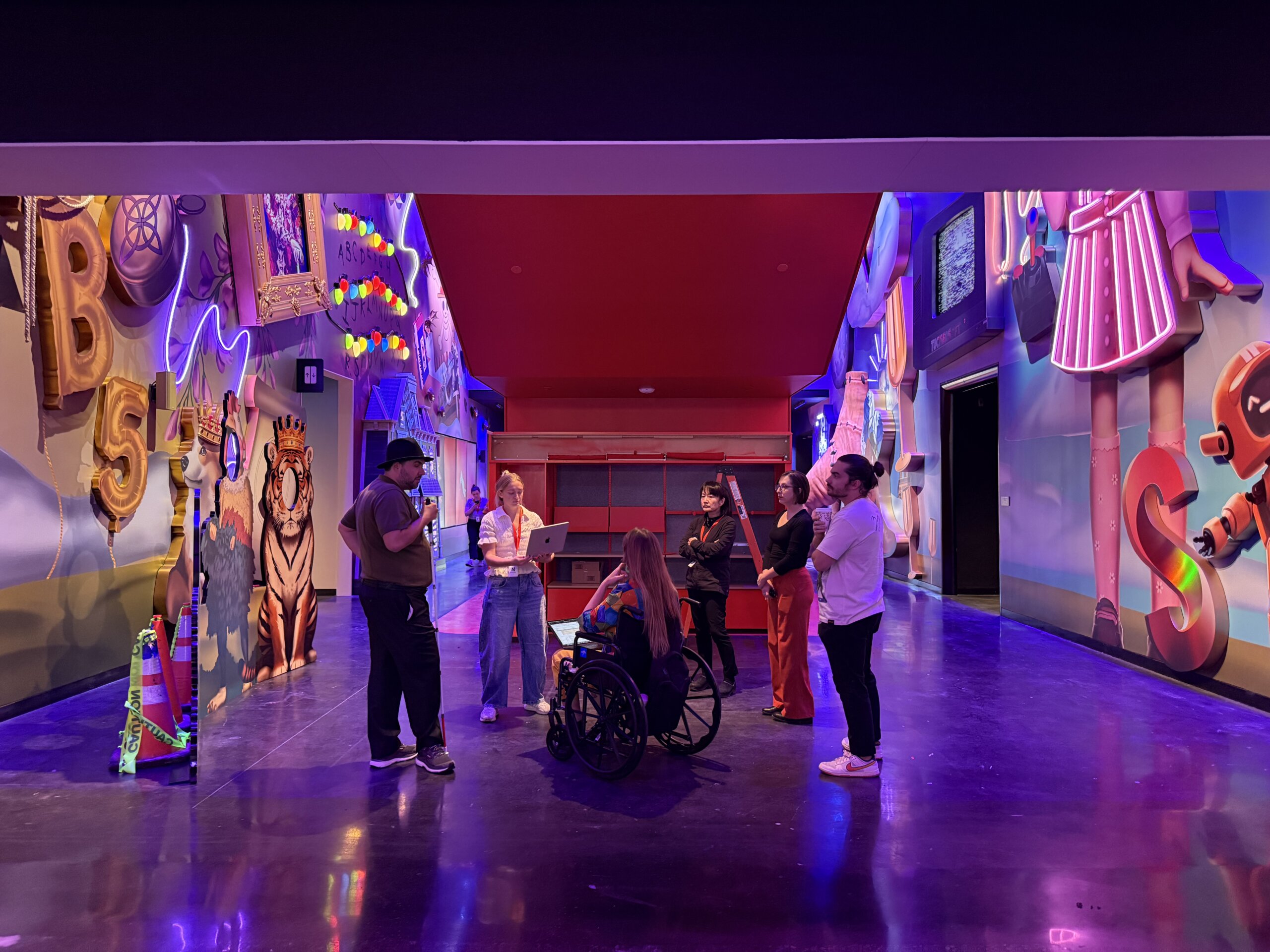
PAC delivered How to Welcome Disabled Fans, a 90-minute training for 150 front-of-house staff for Netflix at Netflix House in Dallas, equipping teams with practical skills and an internal accessibility reference sheet, and prompting immediate procedure changes and guest-specific accommodations.
Media
Project Description
PAC designed and delivered How to Welcome Disabled Fans, a 90-minute workshop for 150 front-of-house staff at Netflix House in Dallas, Texas. In a venue where fans immerse themselves in the worlds of their favorite Netflix stories, staff have an essential role in making those experiences accessible. The training focused on welcoming disabled fans, providing the information and support they need, and giving staff the confidence and resources to help.
Welcoming Disabled Fans
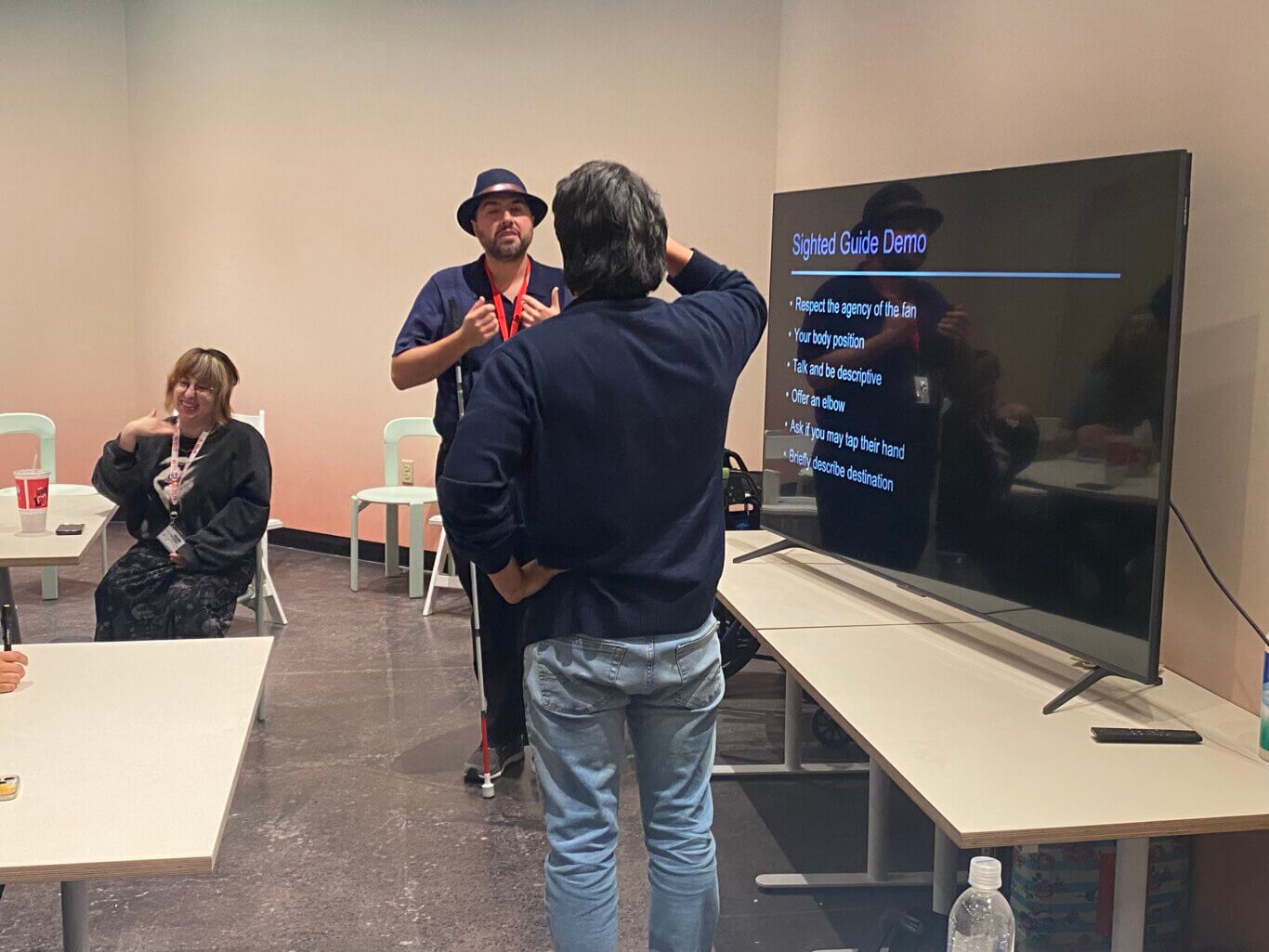
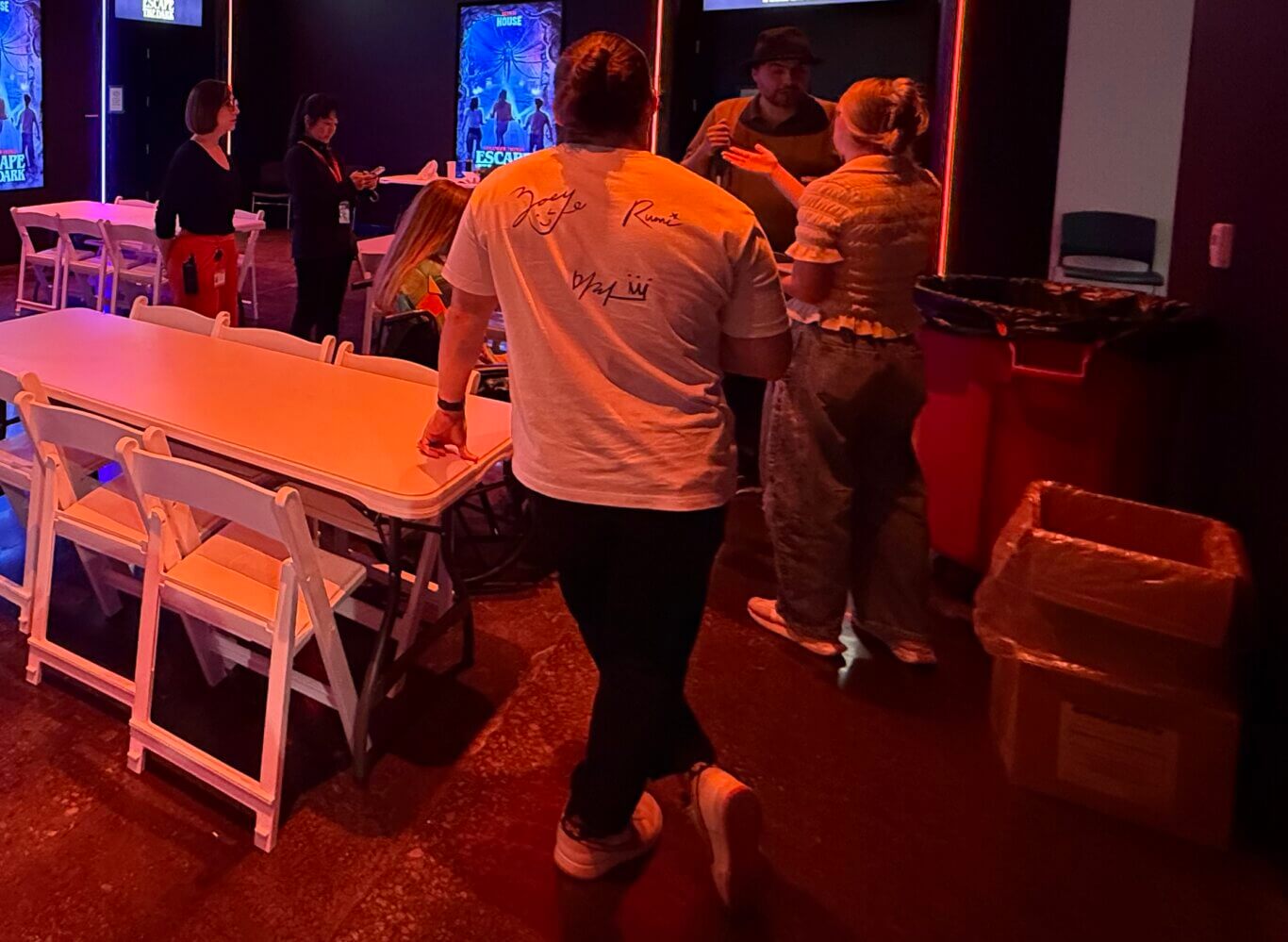
Through demonstrations, scenarios, and discussion, PAC covered practical ways to communicate directly with disabled guests, offer assistance without making assumptions, and respect each person’s choices.
The workshop addressed interactions with blind and low vision guests, Deaf and hard of hearing guests, wheelchair users, and people with sensory or cognitive disabilities. Topics included descriptive wayfinding, sighted guiding, alternative communication methods, and respectful responses to unfamiliar behaviors. Netflix House’s highly stimulating environment was a particular consideration, including how staff could support guests experiencing sensory overload or engaging with installations in different ways.
A simple question, “How may I help?”, gave staff a starting point. From there, the emphasis was on listening to each guest and following their lead. When staff did not have an answer, knowing where to find accurate information or whom to ask was an essential part of providing support.
Knowing the Venue
PAC connected the training to Netflix House’s accessibility features and operating procedures. Staff discussed how to explain the tactile maps and other tactile elements, as well as the process for checking out sensory kits, wheelchairs, and other accommodations.
The workshop also introduced an internal accessibility reference sheet developed by PAC and the Netflix House operations team. It gave staff a resource for answering questions about available services, understanding which features were still in development, and directing questions and feedback to Fan Services.
Putting the Training to Work
Staff brought thoughtful questions and personal experiences to the discussion. Several spoke with the PAC team about their own disabilities or those of family members. They expressed appreciation for training that addressed the experiences of disabled guests and contributed to a more welcoming workplace.
One question led to a change before the workshop had ended. A staff member asked whether a wheelchair could be brought directly to a guest’s car. A manager stepped out to investigate and returned with confirmation that the procedure had been updated to allow it.
After the workshop, another staff member contacted PAC about an upcoming visit by a friend with low vision. Working with supervisors and colleagues, the employee developed accommodations for two visually demanding games. Following the visit, the employee reported that the accommodations had helped their friend participate and enjoy the experience. They also documented the guest’s feedback and observations about existing accessibility features to help inform future visits.
Concluding Thoughts
The goal was for staff to leave prepared to help, be comfortable asking questions, and be able to work through access needs with guests and colleagues. Their follow-through during and after the workshop was encouraging: they questioned a procedure, explored accommodations, and sought feedback. Supporting that initiative is an ongoing part of the work, giving staff room to respond to individual guests and helping Netflix House learn from their experiences.