
A Scavenger Hunt Powered by Coyote
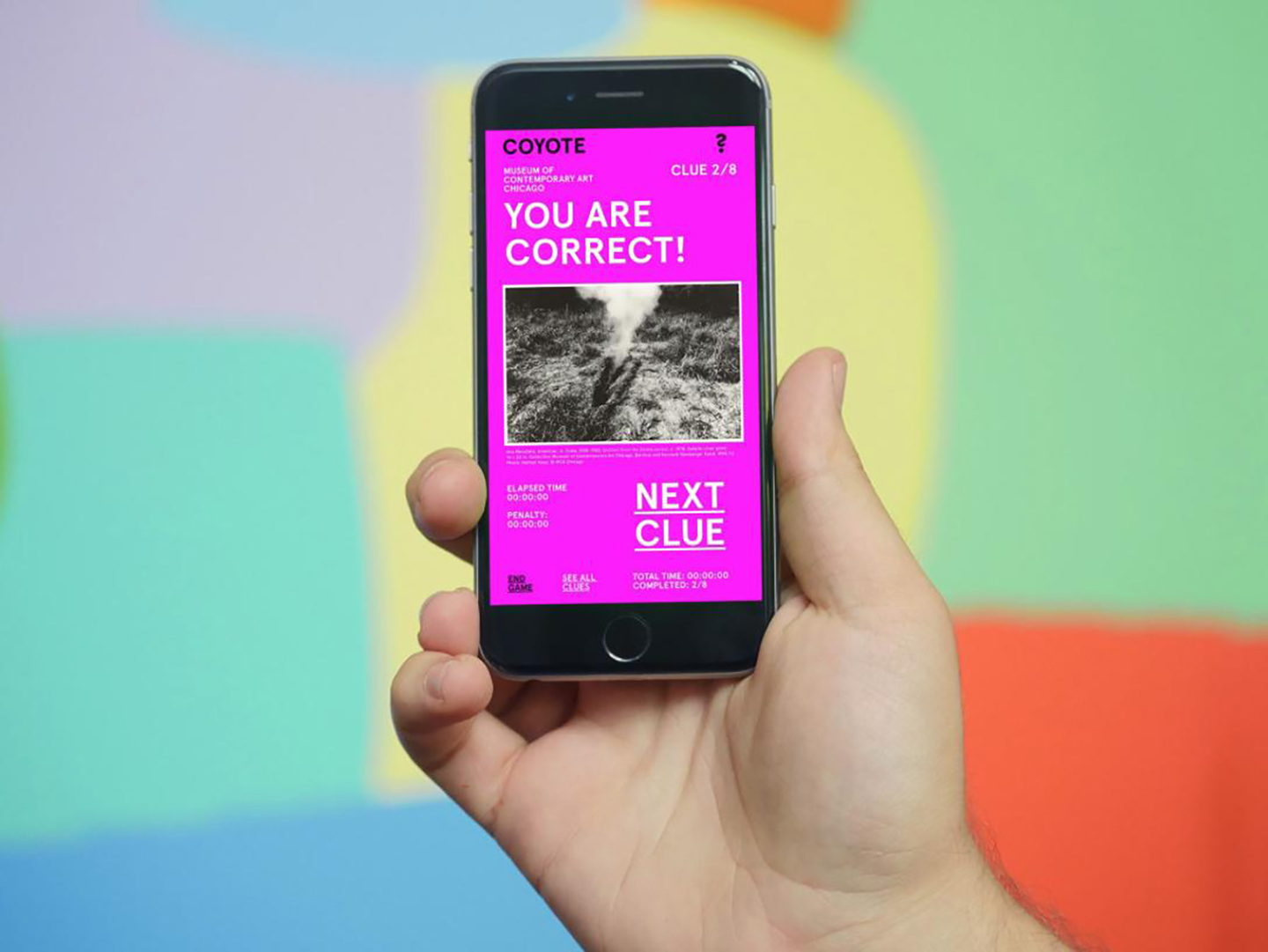
With support from the Knight Foundation, PAC collaborated with MCA Chicago on A Scavenger Hunt Powered by Coyote, improving the hosted open-source Coyote platform and creating a public web-based game that used image descriptions as playful interpretive clues.
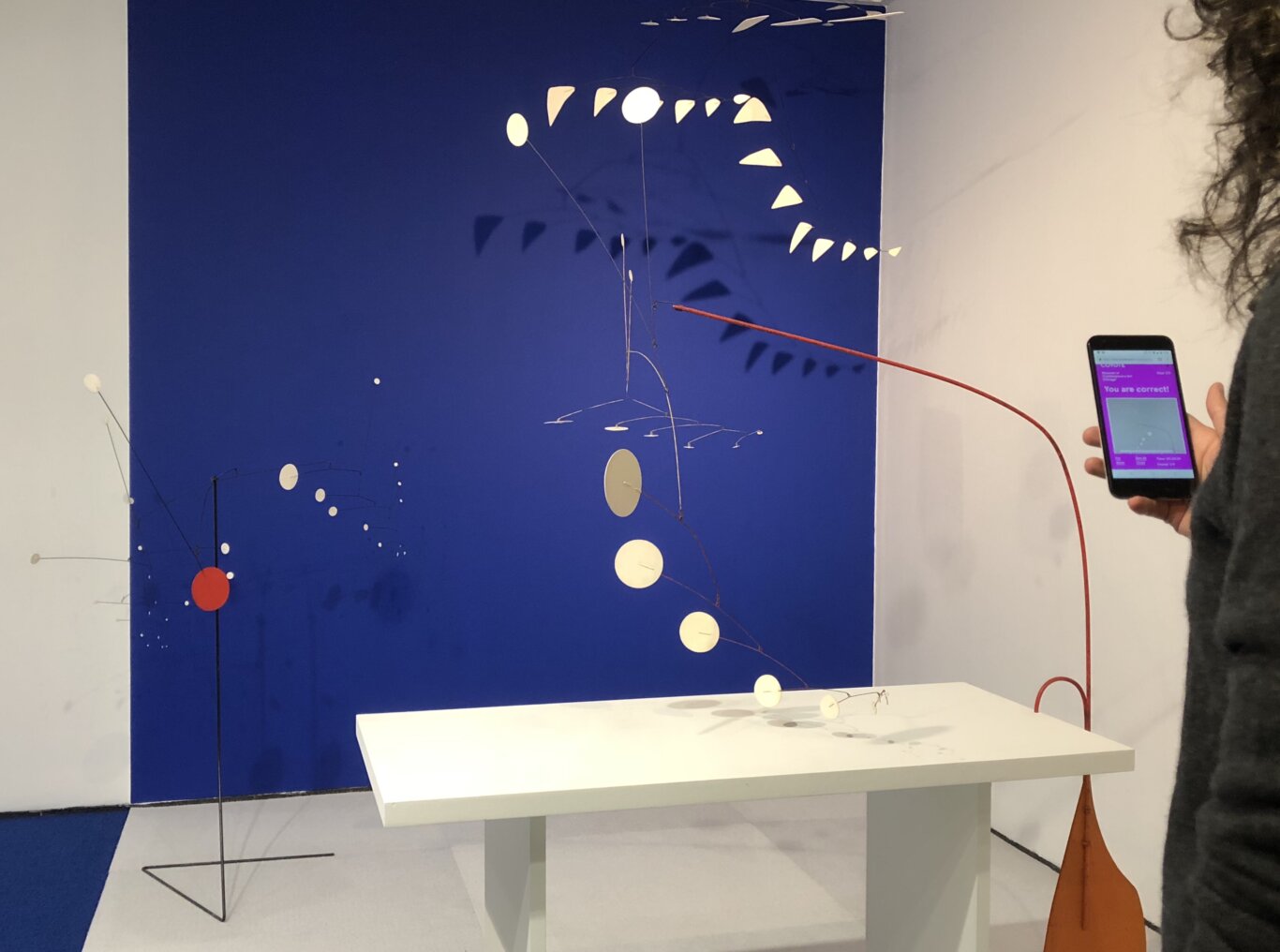
Project Description
Through a grant from the Knight Foundation, PAC collaborated with the Museum of Contemporary Art Chicago to create a web-based scavenger hunt powered by image descriptions authored in Coyote.
The project had two connected goals. First, PAC worked to improve the functionality and structure of the open-source Coyote software so it could better support cultural institutions of different sizes in a hosted environment. This helped make the platform more practical for broader institutional use, particularly for organizations that wanted to begin or expand image description work without maintaining their own technical infrastructure.
Second, PAC and MCA Chicago used image descriptions as the basis for a public-facing game. The scavenger hunt invited sighted visitors to engage with descriptions as clues, turning accessibility content into a playful interpretive experience. Rather than positioning image description only as an accommodation, the project demonstrated that description can be useful, engaging, and creatively meaningful for a wide range of visitors.
The project also supported a broader community of praxis in Chicago. MCA Chicago’s Design, Publishing, and Digital Media team shared Coyote with many of the city’s cultural organizations and provided training on image description. By pairing software development, institutional training, and a public game, the project helped promote accessibility and image description both within cultural organizations and among the visitors who experienced the scavenger hunt.