
Exploring the Gallery through Voice
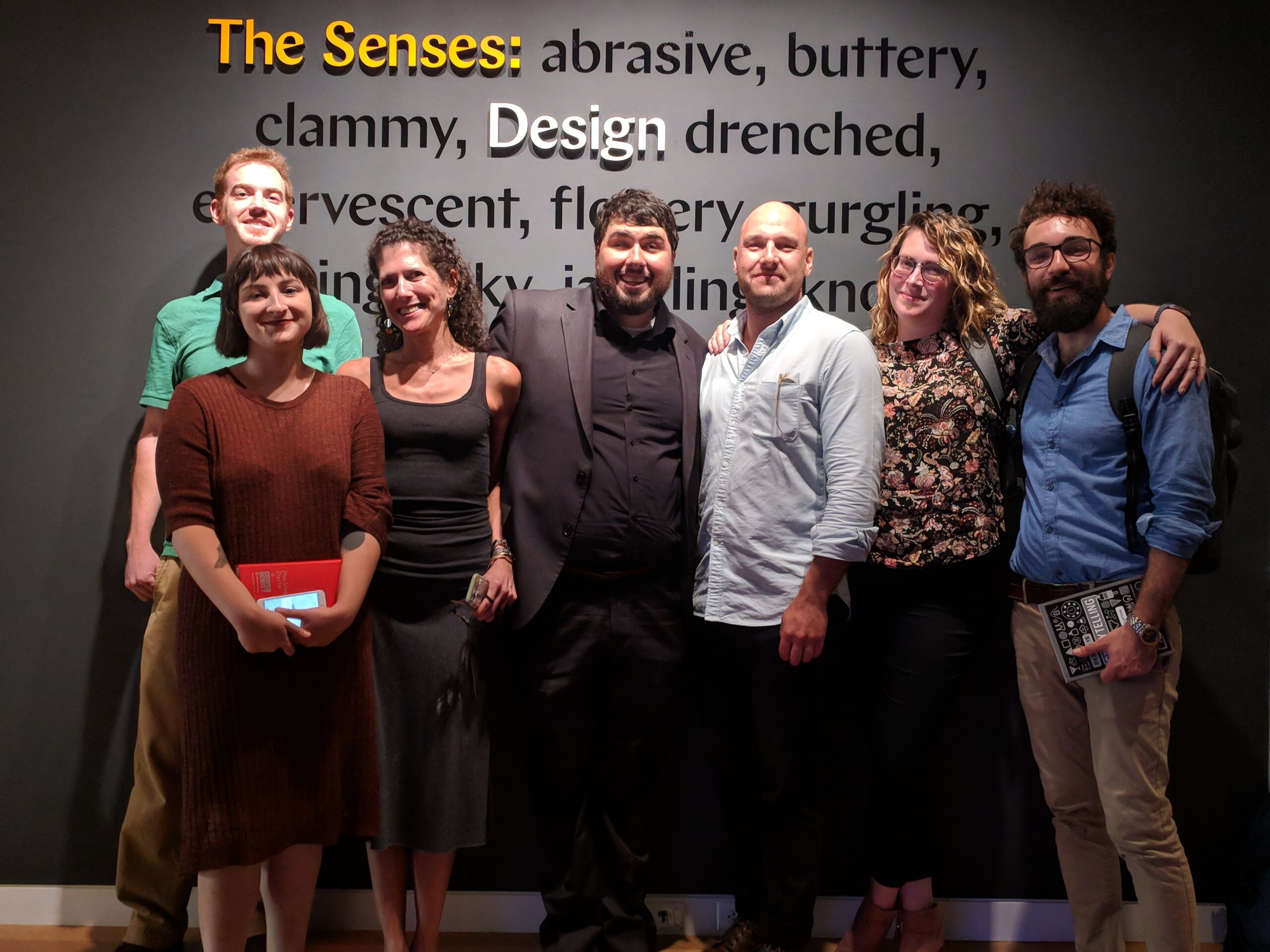
PAC worked with Cooper Hewitt and Alley Interactive to shape the interpretive and accessibility strategy for an Alexa skill that let remote visitors experience Tablescapes through object information and detailed visual descriptions.
Media
Project Description
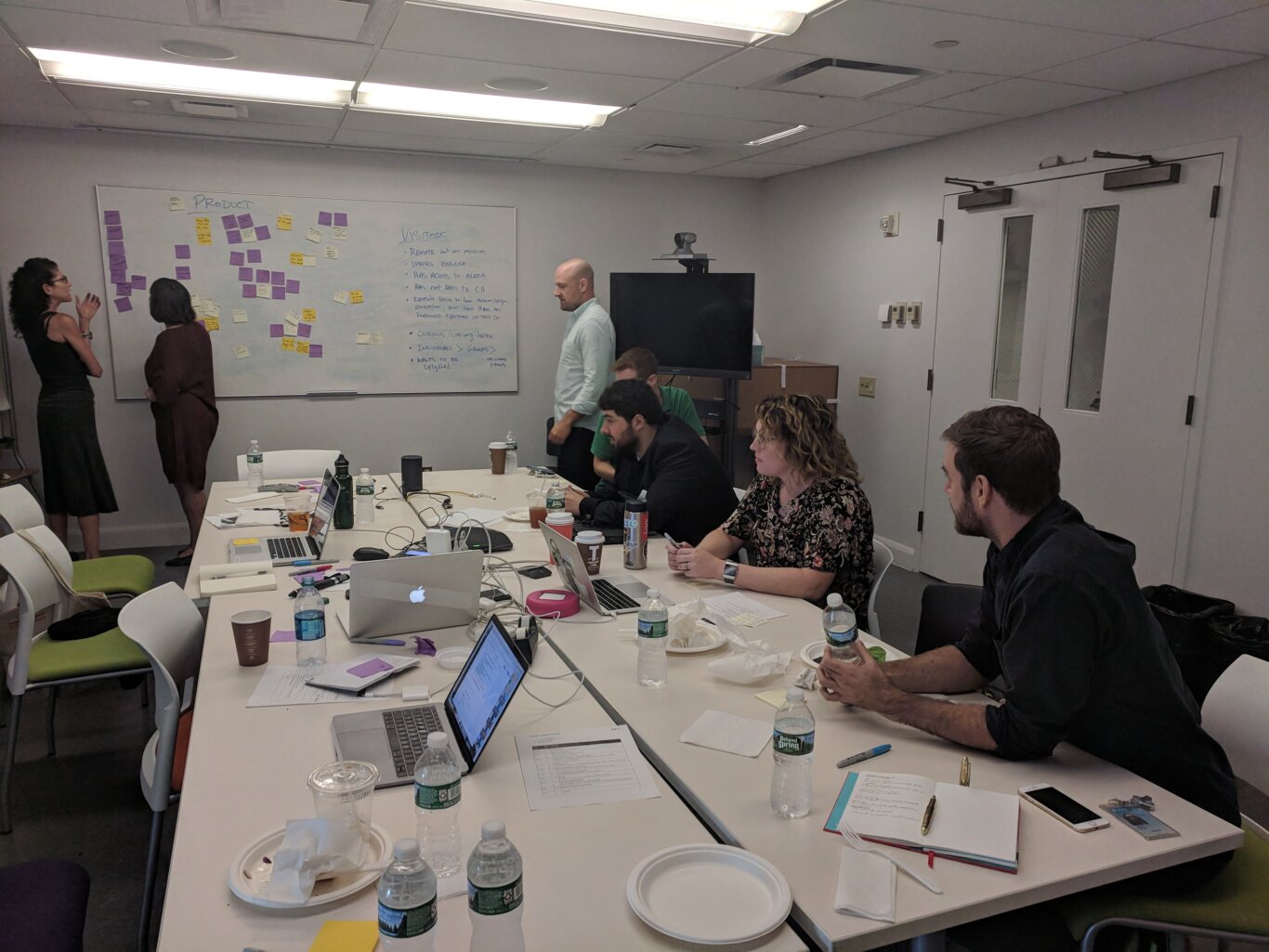
This collaboration with Cooper Hewitt and Alley Interactive created new ways for visitors to experience the exhibition Tablescapes through voice interaction. With support from the Knight Foundation’s Prototype Fund on Arts and Technology, Alley, Cooper Hewitt, and PAC worked together to develop an Alexa skill that extended the exhibition beyond the physical gallery.
PAC’s role focused on helping shape the interpretive and accessibility strategy for the voice-based experience, with particular attention to how visual descriptions could function as meaningful primary content rather than as a separate accommodation. Through the Alexa skill, remote visitors could explore the gallery, hear information about each object, and receive detailed visual descriptions throughout the experience. This created an additional modality for engaging with Tablescapes while also supporting visitors who could not physically visit the museum.
The project reflected Cooper Hewitt’s ongoing exploration of multimodal access and demonstrated how inclusive design can produce richer experiences for everyone. Visual descriptions are often created to support visitors who do not rely on sight, but in this context they became a central interpretive layer for all users of the Alexa skill. PAC helped ensure that this content was treated not as supplemental access material, but as a primary way of experiencing the exhibition through language, structure, and sound.
To read more, Alley wrote a blog post about the project kickoff meeting. You can also read about all 12 funded projects.