
The Coyote Project
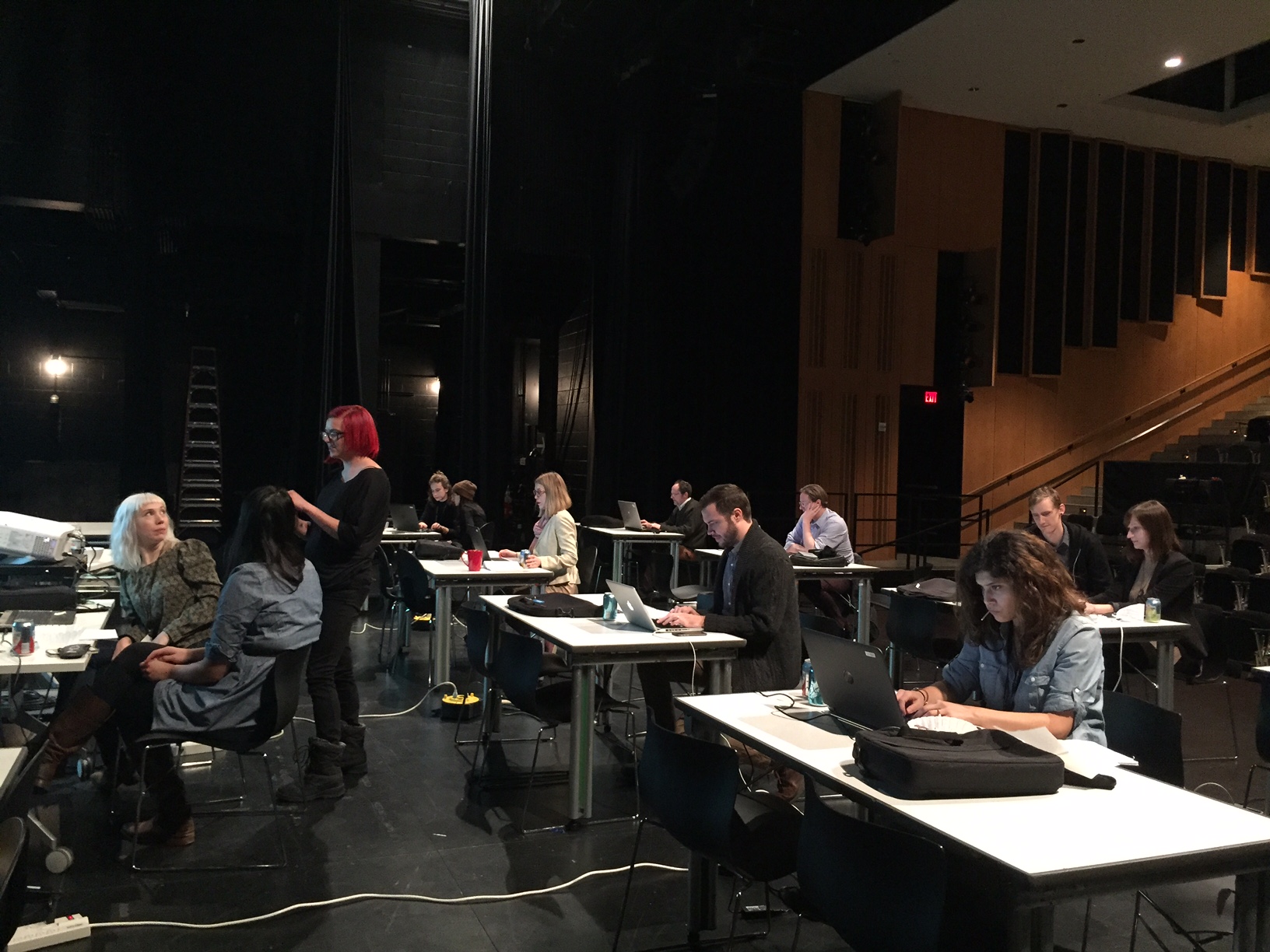
PAC partnered with MCA Chicago to create The Coyote Project, a visual description workflow and hosted platform that enabled museums and cultural organizations to author, review, approve, and publish image descriptions and alt text across their digital products.
Project Description
The Coyote project began in 2015 as a partnership between the Museum of Contemporary Art Chicago and Prime Access Consulting during the development of a new MCA website. Museum websites are rich with images, but at the time, those images were often undescribed or inconsistently described. MCA and PAC set out to address that gap by creating a workflow that would support the authoring, editing, approval, and publication of visual descriptions at institutional scale.
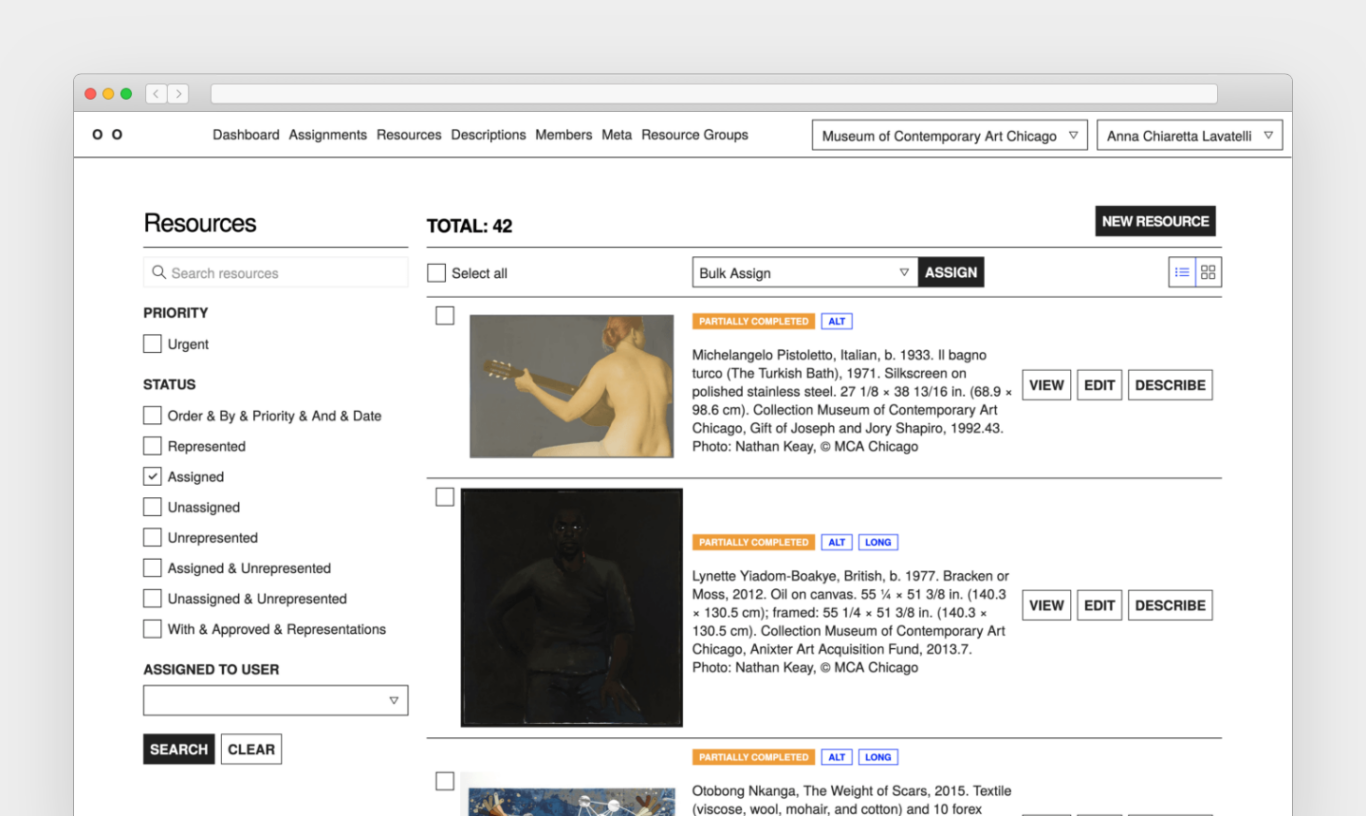
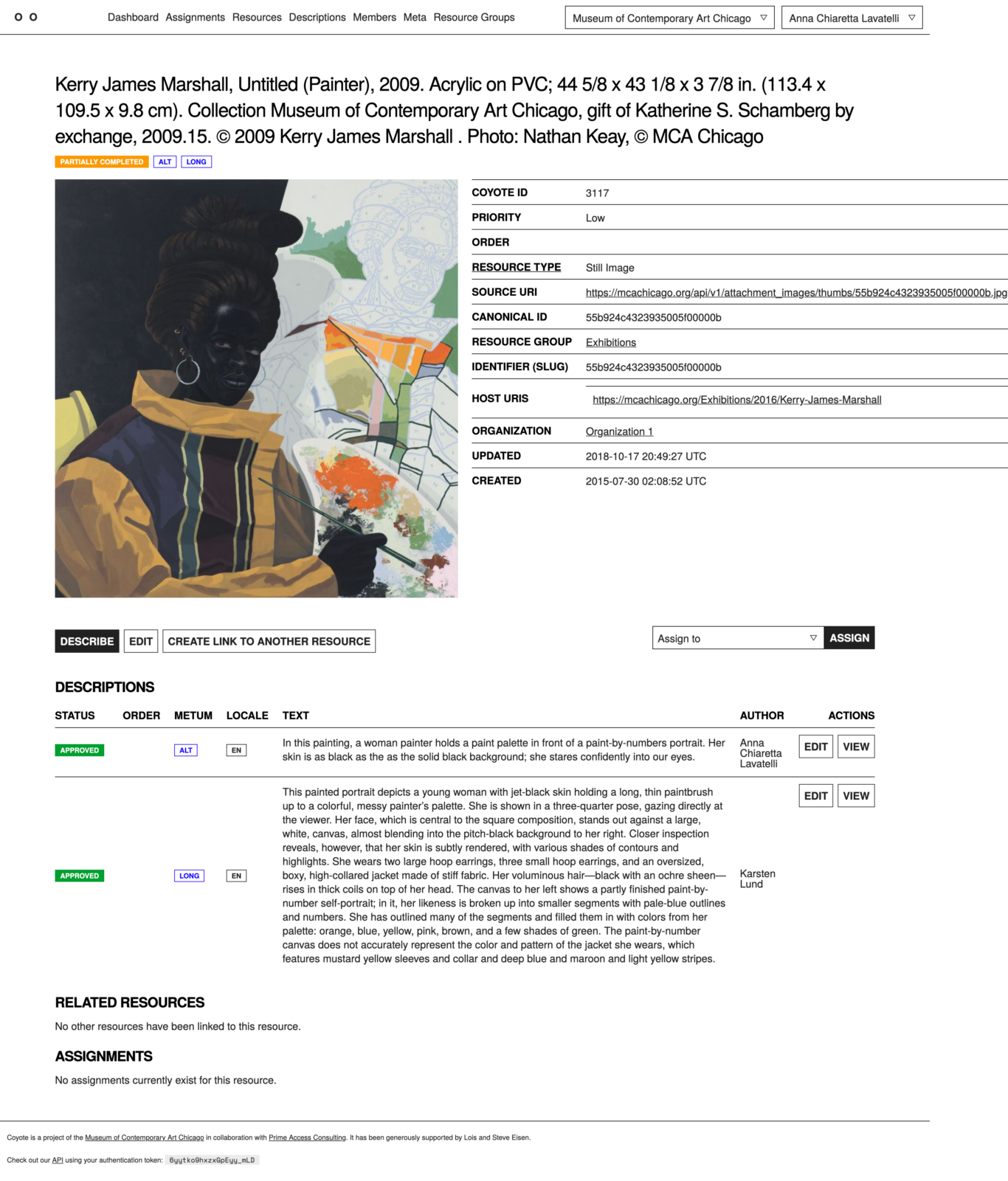
The first version of Coyote was locally hosted and integrated with MCA’s web content management system. It presented images from the CMS that needed description, supported the creation and review of those descriptions, and sent approved descriptions back to the website for publication. Over time, Coyote evolved into a hosted platform that other cultural organizations could use to develop, edit, refine, and integrate visual descriptions across their digital products.
Coyote was sunset in 2025, but its influence remains significant. The project helped move the field forward in how museums and cultural organizations think about visual description: not as a one-off accommodation, but as a structured content practice requiring authoring standards, editorial workflows, metadata, publishing infrastructure, and organizational commitment. Today, with AI tools increasingly available, it can be easy to overlook how much of this work was built through sustained human effort. Thousands upon thousands of descriptions were written by hand by museum staff, contractors, and collaborators, and Coyote was instrumental in making that labor manageable, reviewable, and publishable.
For the organizations that used it, Coyote helped power the visual description and alt text workflows behind their public websites. It gave teams a practical way to move from good intentions to operational practice, embedding visual description into content production rather than treating it as an afterthought. PAC is proud of the role Coyote played in advancing visual description across the cultural sector and in helping establish practices that continue to shape inclusive digital interpretation today.