
Capacity Building
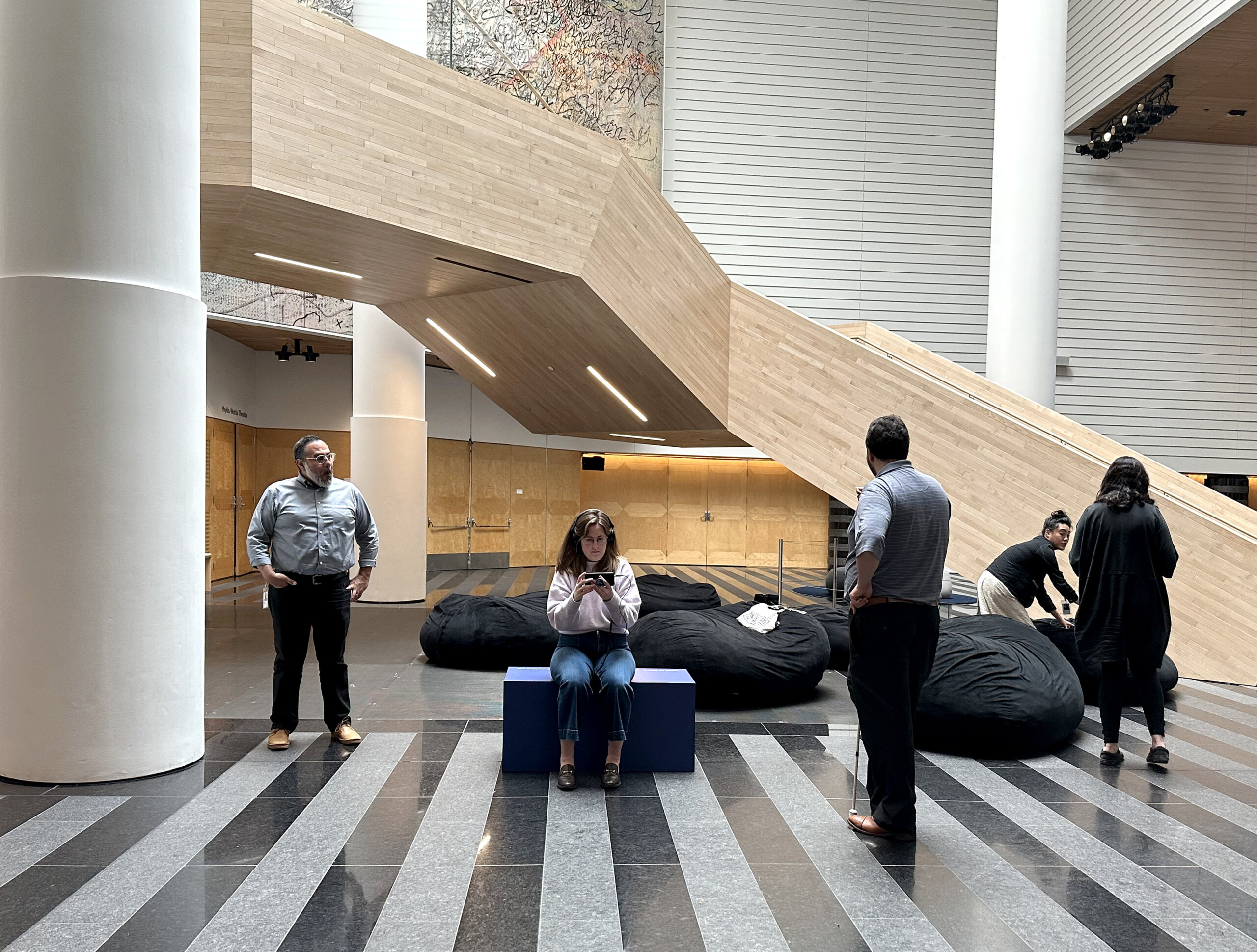
PAC partnered with San Francisco Museum of Modern Art to build institutional capacity for inclusive design through staff workshops, a cross-departmental Roadmap, and coaching, resulting in stronger internal workflows and expanded access practices across exhibitions, digital media, touch objects, seating, and sensory spaces.
Media
Project Description
Building institutional capacity for inclusive design is not a single project. It is a sustained effort to shift how a museum thinks, plans, and works so that access becomes a shared responsibility rather than a task assigned to one team at the end of a process.
Prime Access Consulting began our engagement with the San Francisco Museum of Modern Art under the leadership of director Chris Bedford, whose goal was to create art experiences inclusive to the widest possible audience. That ambition required more than good intentions. It required internal knowledge, workflows, and accountability systems that could outlast any single exhibition. PAC’s work with SFMOMA is designed to do exactly that: build the institutional fluency needed to sustain inclusive design long after each engagement concludes.
The engagement draws on support from the Institute of Museum and Library Services and other targeted funding resources to work across SFMOMA teams, including content development and interpretive media, built and graphic design, digital access, curatorial practice, and visitor experience. The approach is holistic by design. Rather than delivering isolated interventions, PAC works with the museum to develop interconnected tools and practices that reinforce one another over time.
The Inclusive Design Workshop Series
The Practice of Inclusion Workshop Series pairs in-depth instructional content with hands-on activities in the galleries. The program spans the full scope of inclusive design practice, from content development and graphic design to digital access, interactive design, and public programs. It is structured to engage staff across departments and at all levels. The goal is not simply to transmit information, but to shift the questions staff ask as they plan and produce work.
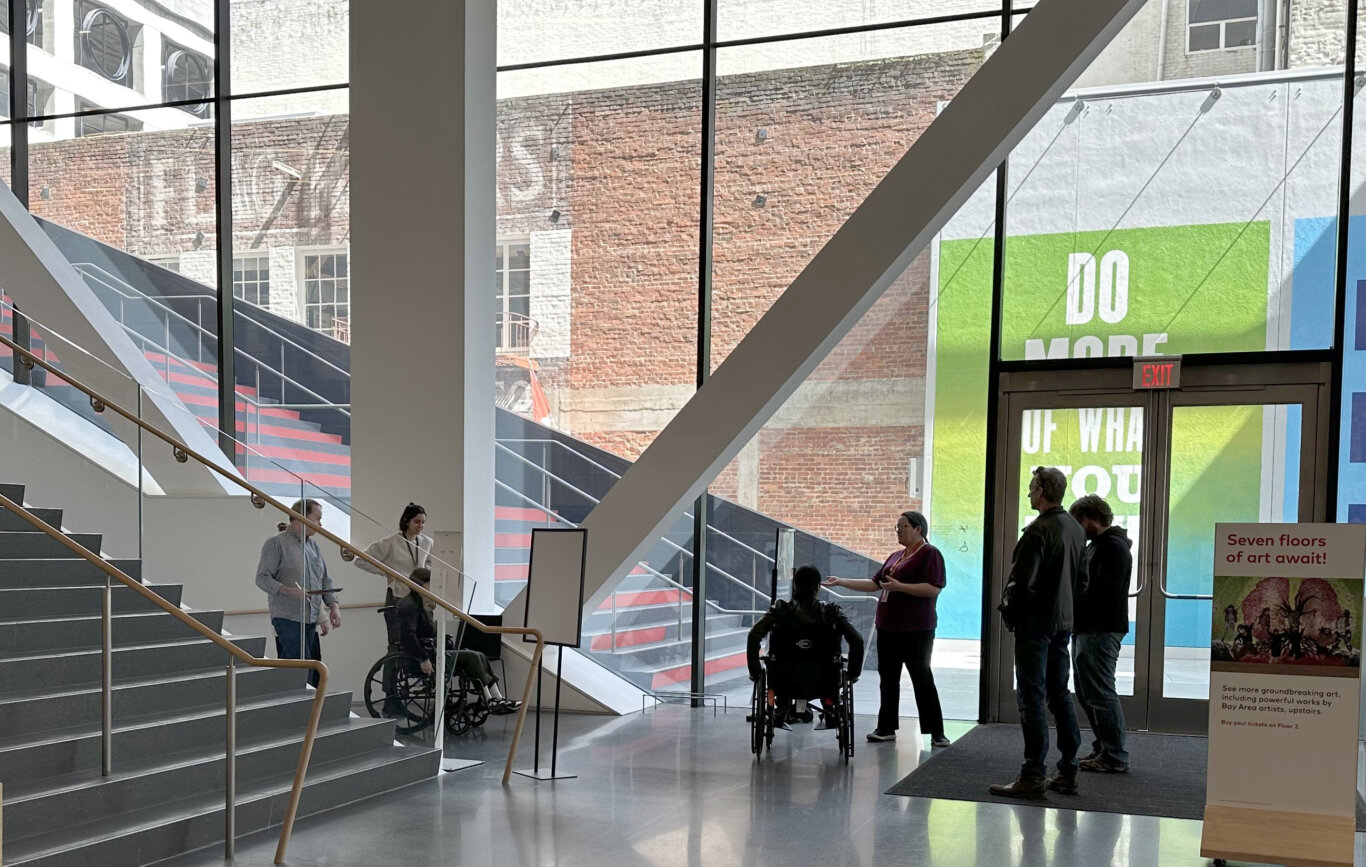
Working in SFMOMA’s own galleries makes that shift tangible. In-gallery activities prompt staff to move through familiar spaces with an inclusive design lens, surfacing assumptions and identifying gaps that are easy to overlook from behind a desk. How does a visitor using a mobility device navigate from the entrance into and through the galleries? What is available for a blind or low vision visitor to do, touch, or learn from? When a sighted visitor can take in an entire gallery at a glance, orienting themselves spatially and identifying works of interest, how does a blind visitor access an equitable experience? How is directional, instructional, and interpretive information presented to visitors? What happens when a visitor with a cognitive or sensory disability encounters a label written at a high reading level, in a low-contrast font, mounted at an uncomfortable height?
These are not abstract questions. Moving through the galleries with them in mind produces concrete answers, and those answers drive the work.
The Inclusive Design Roadmap
The Roadmap is a planning tool that maps inclusive design initiatives across projects and project schedules, assigns responsibilities within the organization, and supports steady, trackable progress. It makes inclusive design work visible as part of institutional planning rather than treating it as an afterthought. By distributing tasks across time and teams, the Roadmap also helps prevent any single person or department from bearing a disproportionate share of the work.
To build the Roadmap collaboratively, PAC helped SFMOMA form a cross-departmental Inclusive Design Working Group that met every other week over six months. Given the number of departments and participants involved, the group was organized into targeted breakout groups, each focused on a specific facet of the inclusive design ecosystem. This structure broke the Roadmap into more manageable pieces and allowed for more efficient, focused workflows.
Each breakout group was responsible for identifying the deliverables and milestones needed for its area of work, mapping those items to existing project schedules, and assigning responsibilities across teams. The result was a Roadmap grounded in the realities of each department’s capacity and timeline, rather than a top-down document disconnected from how the work actually gets done.
Coaching Hours
Informed by the Roadmap, coaching hours provide dedicated time for individual departments to dig into specific questions, review deliverables and designs, and work through tasks with PAC support. The agenda is driven by SFMOMA’s team, reflecting where they are in the work and where focused guidance is most useful.
Impact and Trajectory
The evidence of progress is clearest when looking across projects. In the Ruth Asawa: Retrospective exhibition, roughly a quarter of the artworks had descriptions. In the Fisher Collection Reimagined project, every artwork is described. That shift reflects not just more ambitious targets, but deeper internal competency, including collaborative workflows between Curatorial and Interpretive Media teams for developing visual descriptions, gallery overviews, and guided tactile descriptions.
Digital access has followed a similar trajectory, moving from PAC developing exhibition microsites to SFMOMA building them with PAC guidance. Progress is also visible in the design of touch objects for multimodal engagement with artworks, and in updated physical access standards, including an inclusive modular seating system being implemented across the museum.
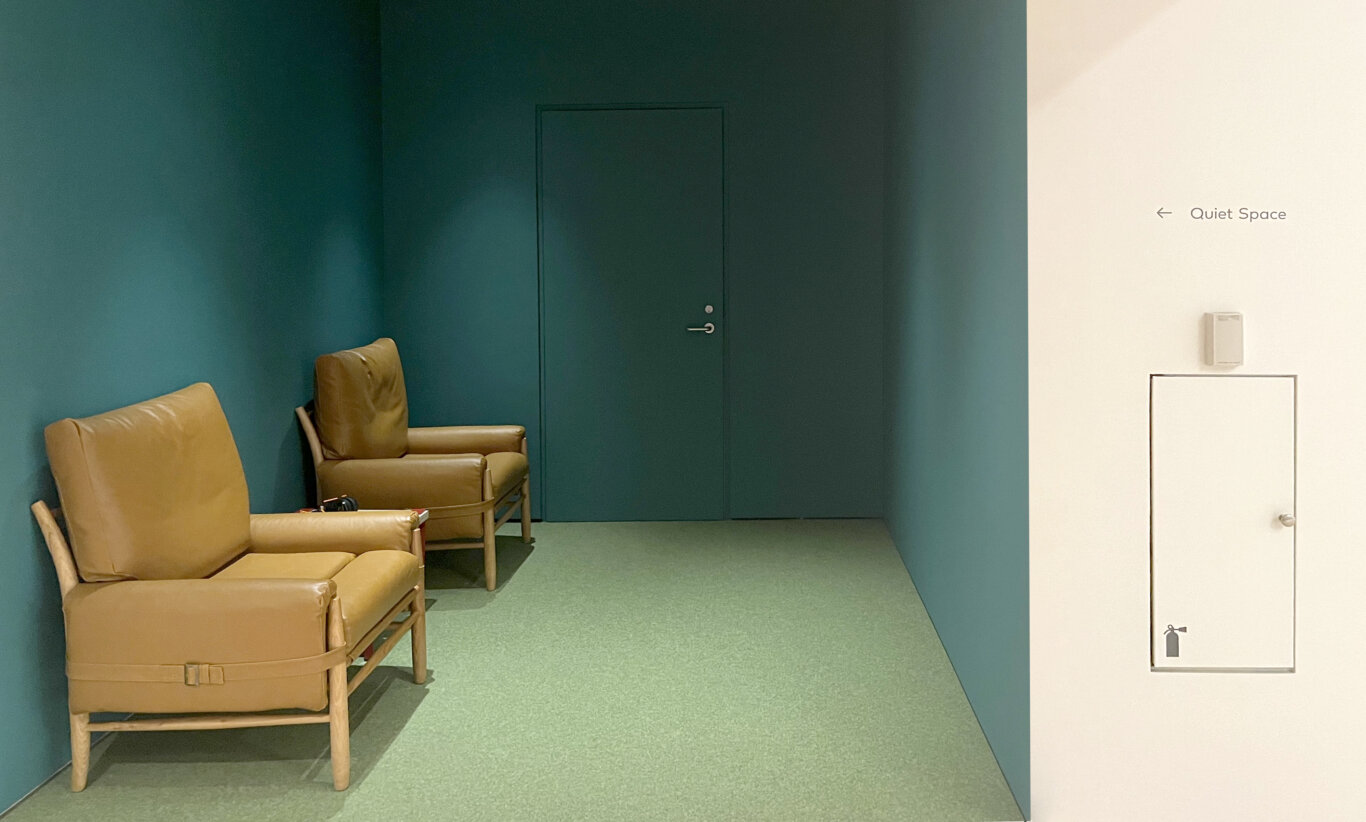
The Creative Growth: The House that Built Art exhibition marked another first, with an initial exploration of sensory space design within SFMOMA’s galleries. Sensory spaces offer visitors a place to regulate, rest, and re-engage with an exhibition on their own terms. Their inclusion signals a broader understanding of what access means in a museum environment. This early iteration laid the groundwork for more developed sensory programming in future exhibitions, adding another dimension to the interconnected system of access that PAC and SFMOMA are building together.
Concluding Thoughts
Inclusive design and access work can feel overwhelming, particularly for institutions already managing complex programs with limited staff bandwidth. The strategic structure of this engagement is designed to address that directly. By distributing work across time, projects, and teams through the Roadmap, no single department carries the full weight. The goal is not perfection at the outset. The goal is cumulative progress: building skills and confidence incrementally, iterating on ideas as they are tested in practice, and raising the baseline with each project.
This work is ongoing. As the partnership matures, the next phase turns toward expanding the range and depth of accessible media. It also means bringing disabled community members into the process in a more direct and structured way. SFMOMA has reached a stage where there is enough in place to respond to: descriptive content, touch experiences, digital access infrastructure, and physical access improvements that are meaningful and testable. That foundation makes genuine community engagement possible, moving from consultation toward a relationship in which disabled visitors can help shape the museum’s next steps in this work.