
ArtLens
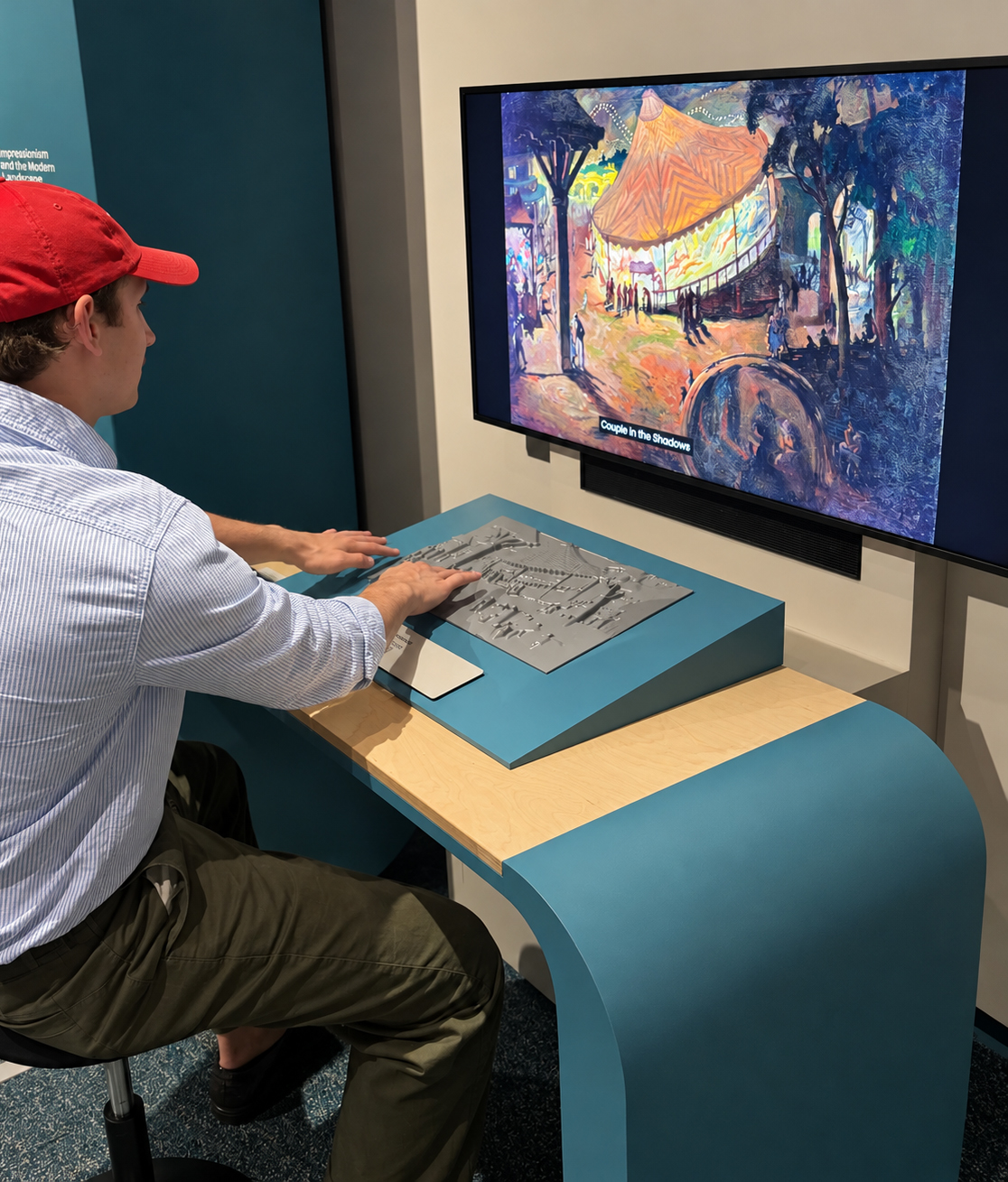
PAC partnered with the Cleveland Museum of Art, Design I/O, Dome Collective, and Line Break on ArtLens Reimagined, the third iteration of the museum’s ArtLens gallery, leading inclusive experience design, tactile design, and the digital accessibility of the companion ArtLens app so the reimagined gallery is accessible by design rather than by afterthought.
Media
Project Description
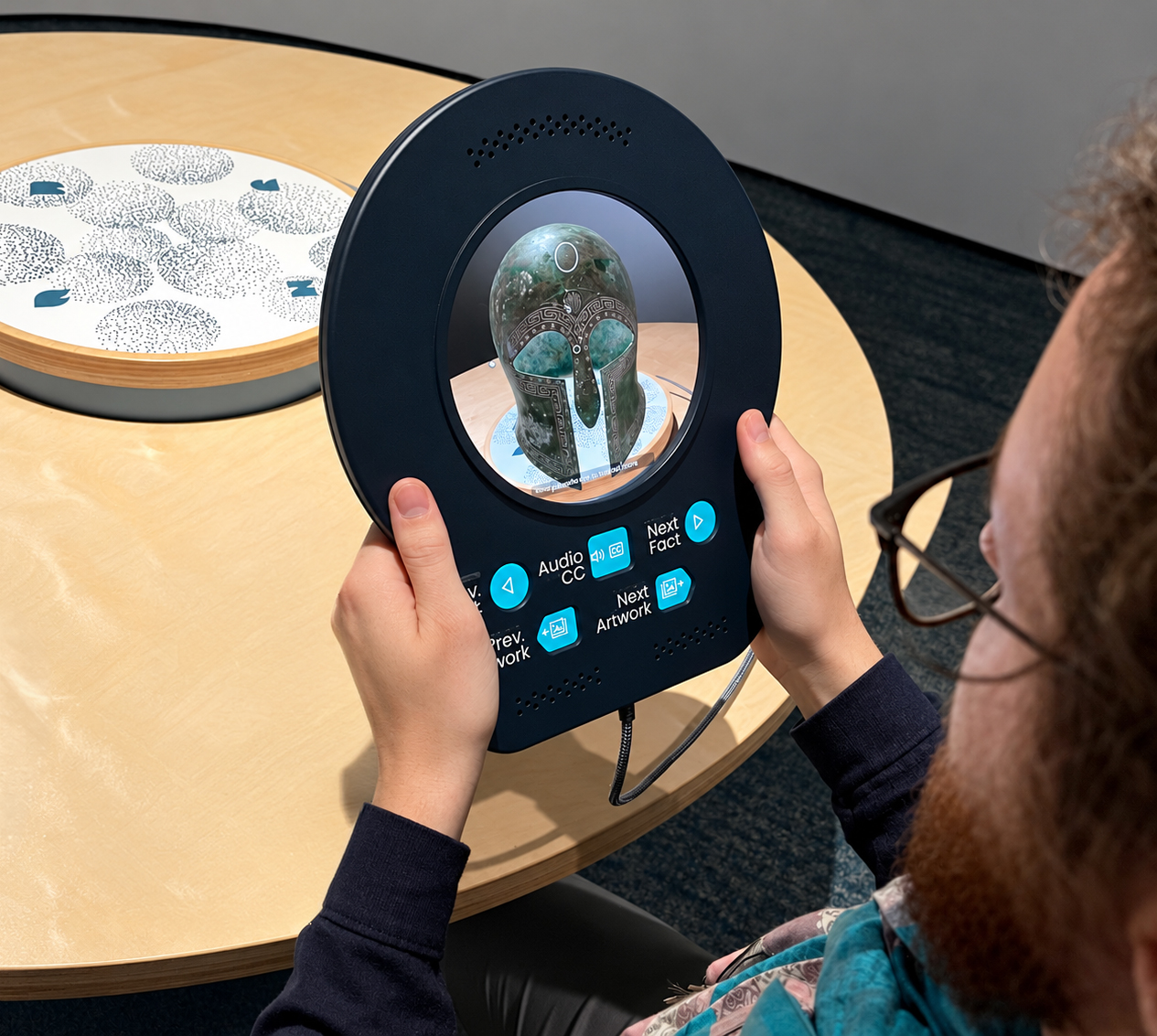
The Cleveland Museum of Art’s ArtLens gallery has evolved through three iterations, from the original Gallery One to ArtLens Reimagined, a fully rebuilt, 10,000-square-foot gallery that opened on July 28, 2026. With 21 new interactive experiences, the gallery brings together art, technology, and hands-on exploration. The museum engaged PAC to lead inclusive experience design, tactile design, and digital accessibility for the companion ArtLens app, working alongside collaborators including Design I/O, Dome Collective, and Line Break.
The project builds on PAC’s longstanding relationship with the museum in [digital accessibility and visual description(https://pac.bz/projects/using-ai-as-a-tool-for-visual-descriptions/). This includes recent work exploring how artificial intelligence can support the development of visual descriptions at scale for blind and low vision visitors, culminating in the museum writing descriptions for every primary image in its permanent collection.
Experience Design
PAC’s work began with the premise that access should be born into an experience. Decisions about materials, geometry, and interaction shape who can participate and how. By bringing inclusive design into those decisions from the outset, the team could develop more ways for visitors to engage with each interactive and its learning objectives.
PAC conducted detailed design build reviews during each of the project’s three major design phases: concept design, schematic design, and design development. At each phase, PAC provided guidance directly to the museum’s design team and its technology and fabrication partners, helping carry inclusive design from initial ideas through to the built experiences.
Dedicated inclusive design charrettes brought collaborators together across disciplines and organizations to explore possibilities, work through challenges, and develop solutions that connected each interactive’s learning objectives with practical approaches to access.
PAC’s guidance also extended throughout the built environment. This included an inclusive seating system that offers visitors options for rest and engagement; specifications for table and interactive surface heights, reach distances, and clearances; and reviews of environmental graphics for legibility and contrast.
Tactile Design
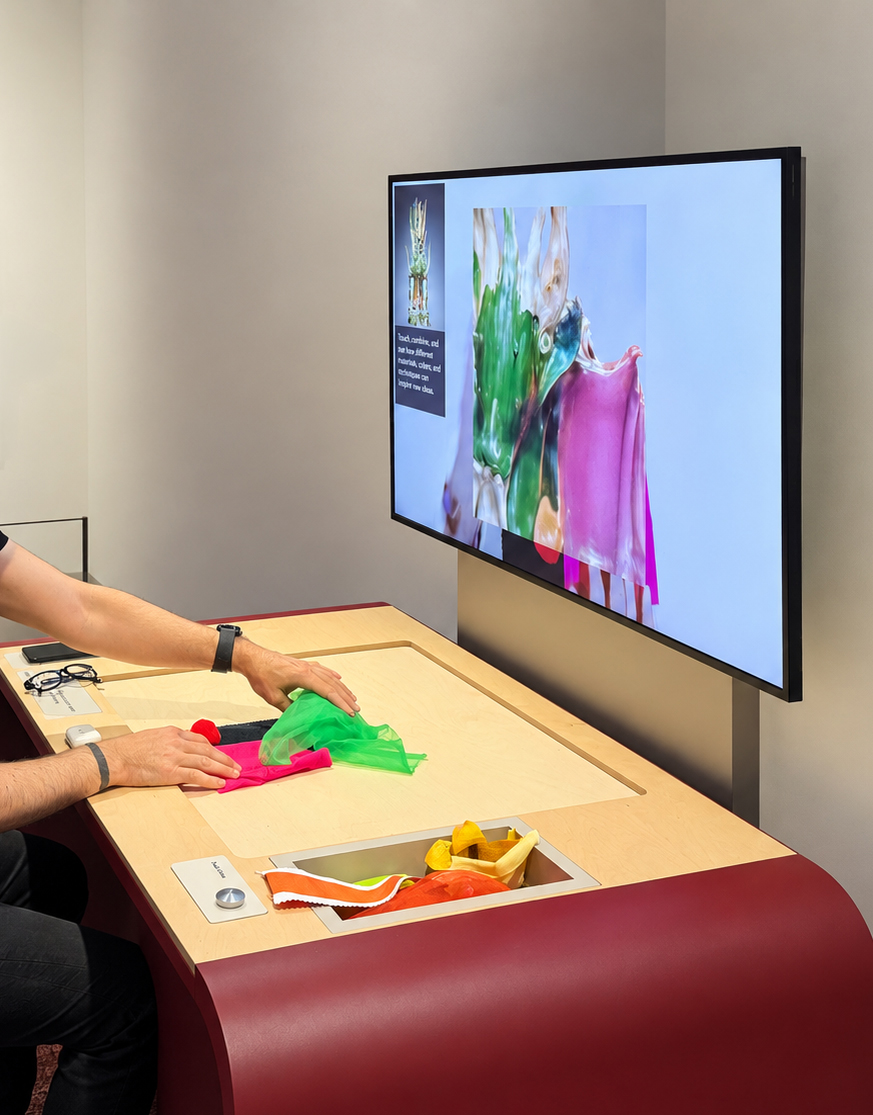
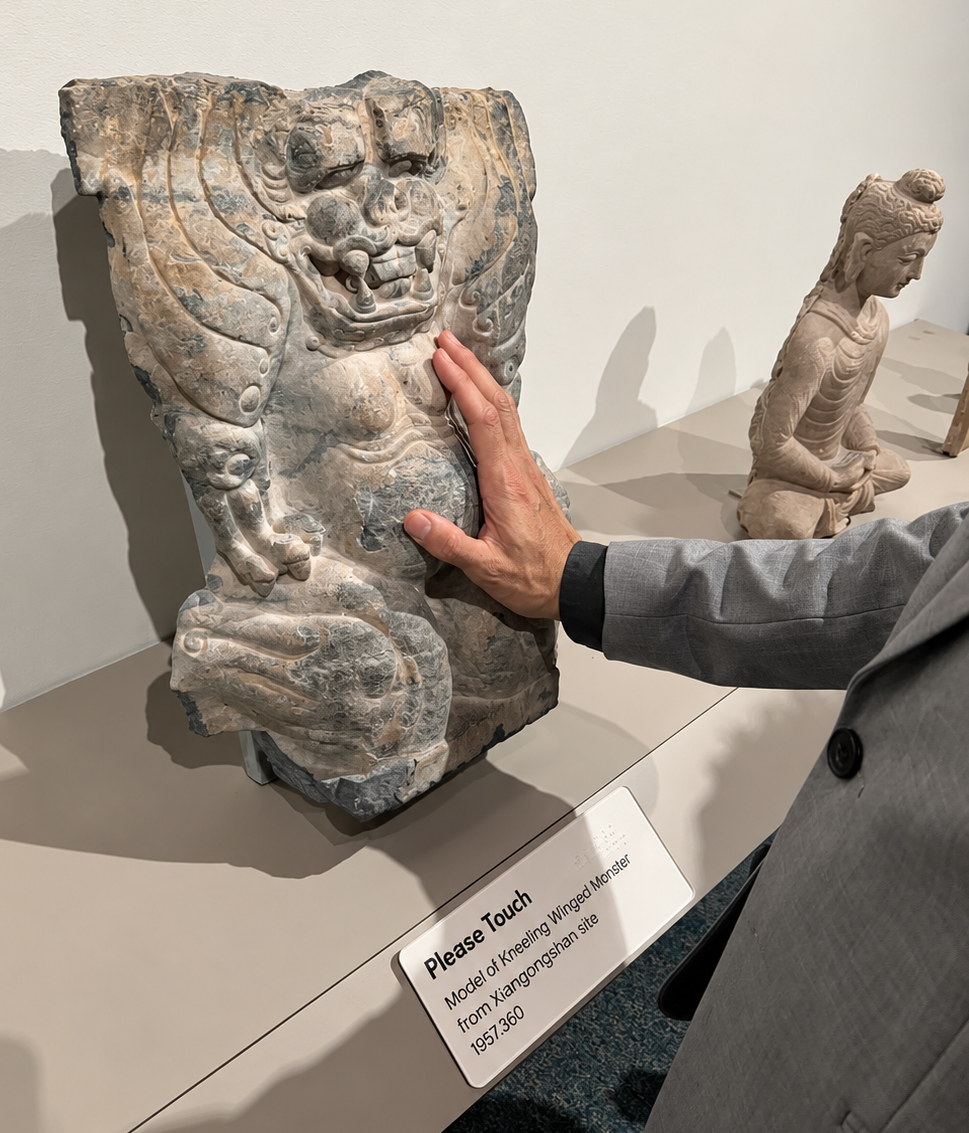
For Sacred Sites Revisited, a multimedia installation that reconnects dispersed Asian sculptures and architectural fragments with their original sacred, ritual, and cultural environments, PAC worked with the production and fabrication teams to develop touch objects that would be both understandable and engaging through tactile exploration.
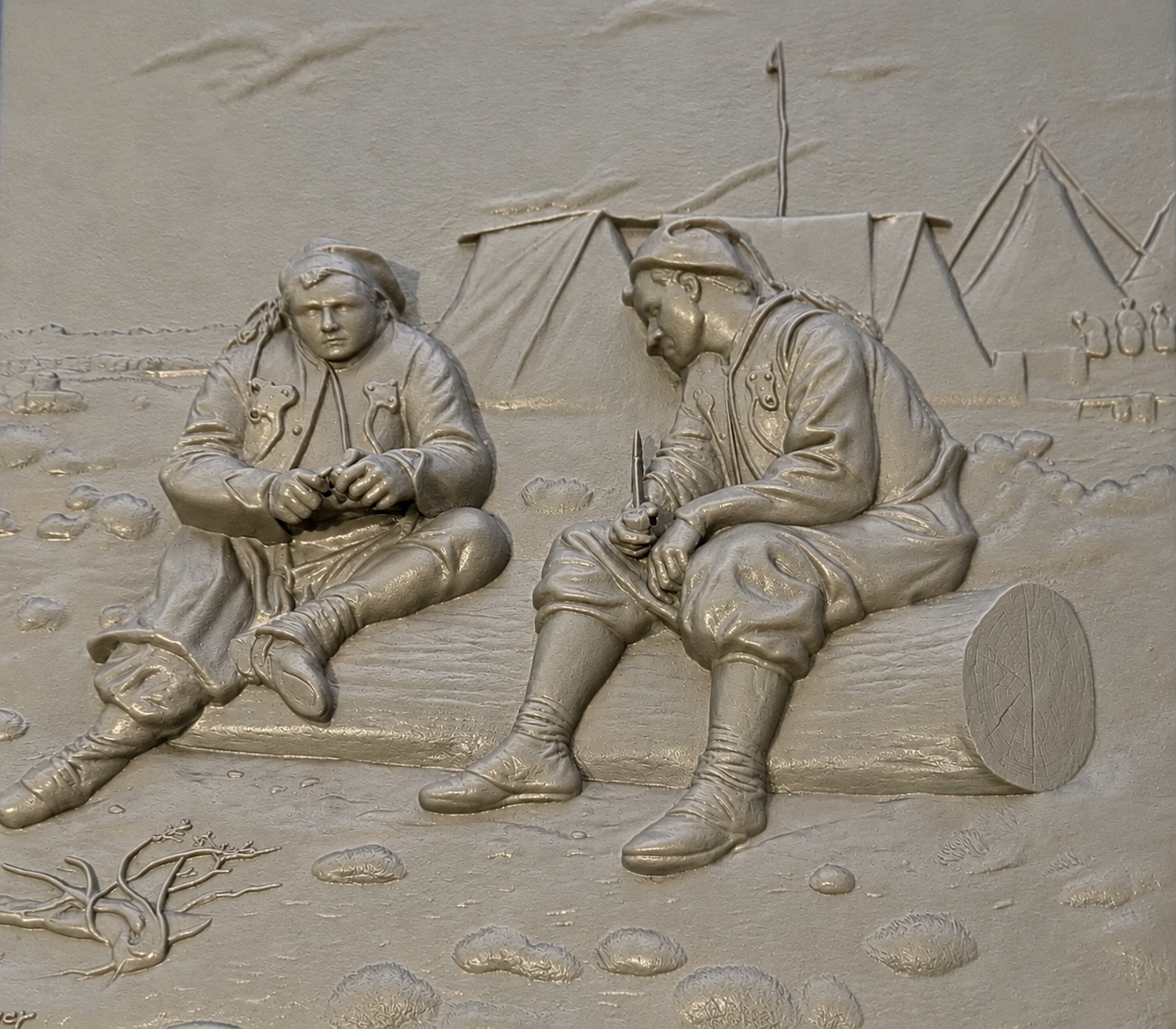
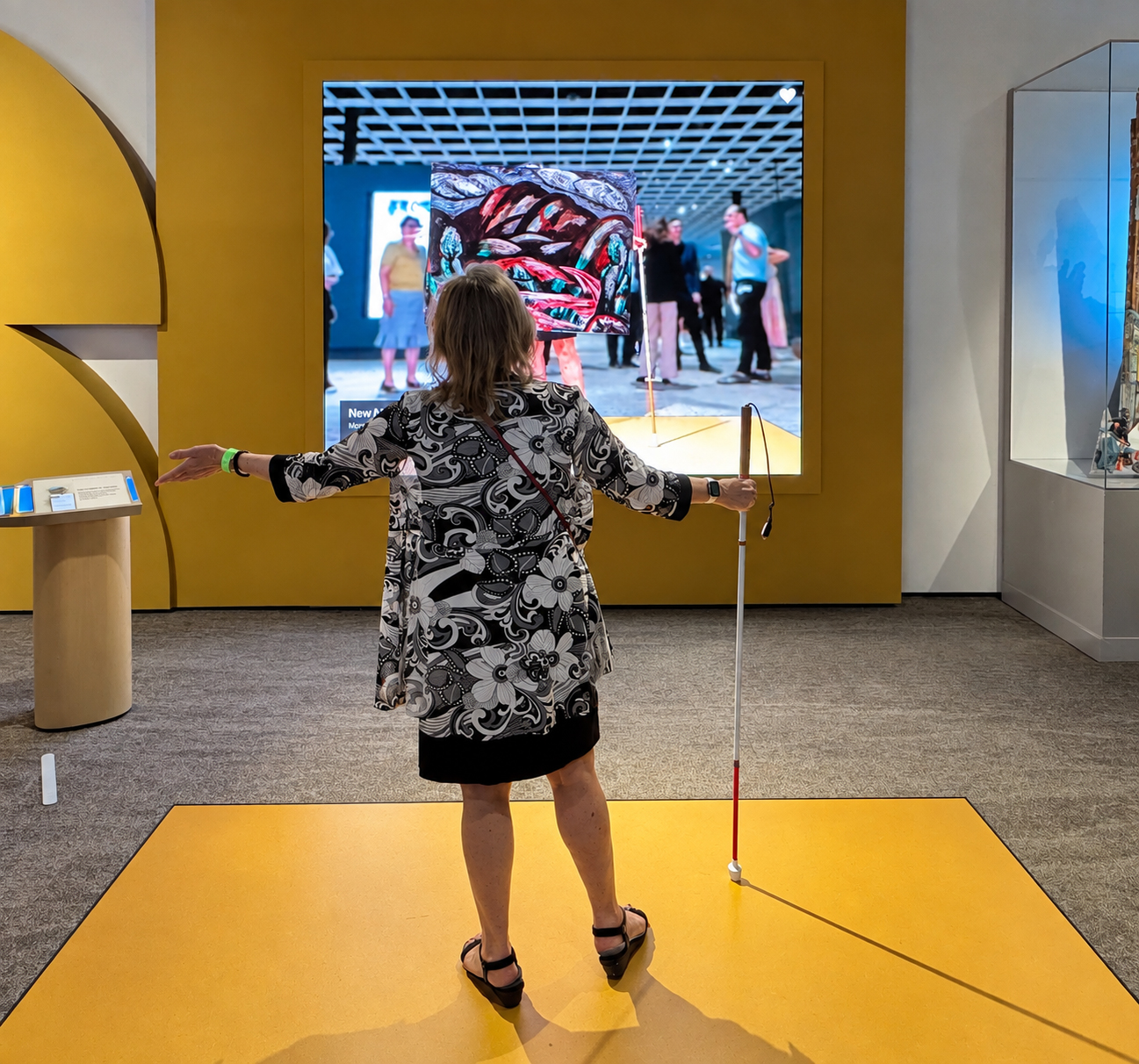
PAC also led the design and production of tactile reliefs of two paintings: Flying Ponies (Euclid Beach Park), painted by Carl Gaertner in 1932, and The Brierwood Pipe, painted by Winslow Homer in 1864. Working with its fabrication partner, PAC developed an initial relief prototype and conducted in-person prototyping with project stakeholders. This process explored how the relief worked through touch and with the hand-tracking technology Design I/O was developing, informing the production of both final pieces.
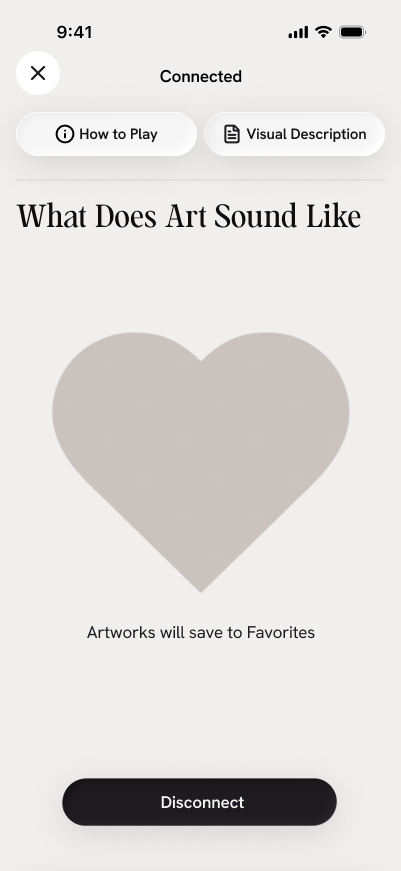
In the resulting interaction, What Does Art Sound Like?, visitors hear descriptions of elements in each painting’s composition as they move their hands across the relief. Touch and sound work together to help visitors explore the artwork’s details and spatial relationships.
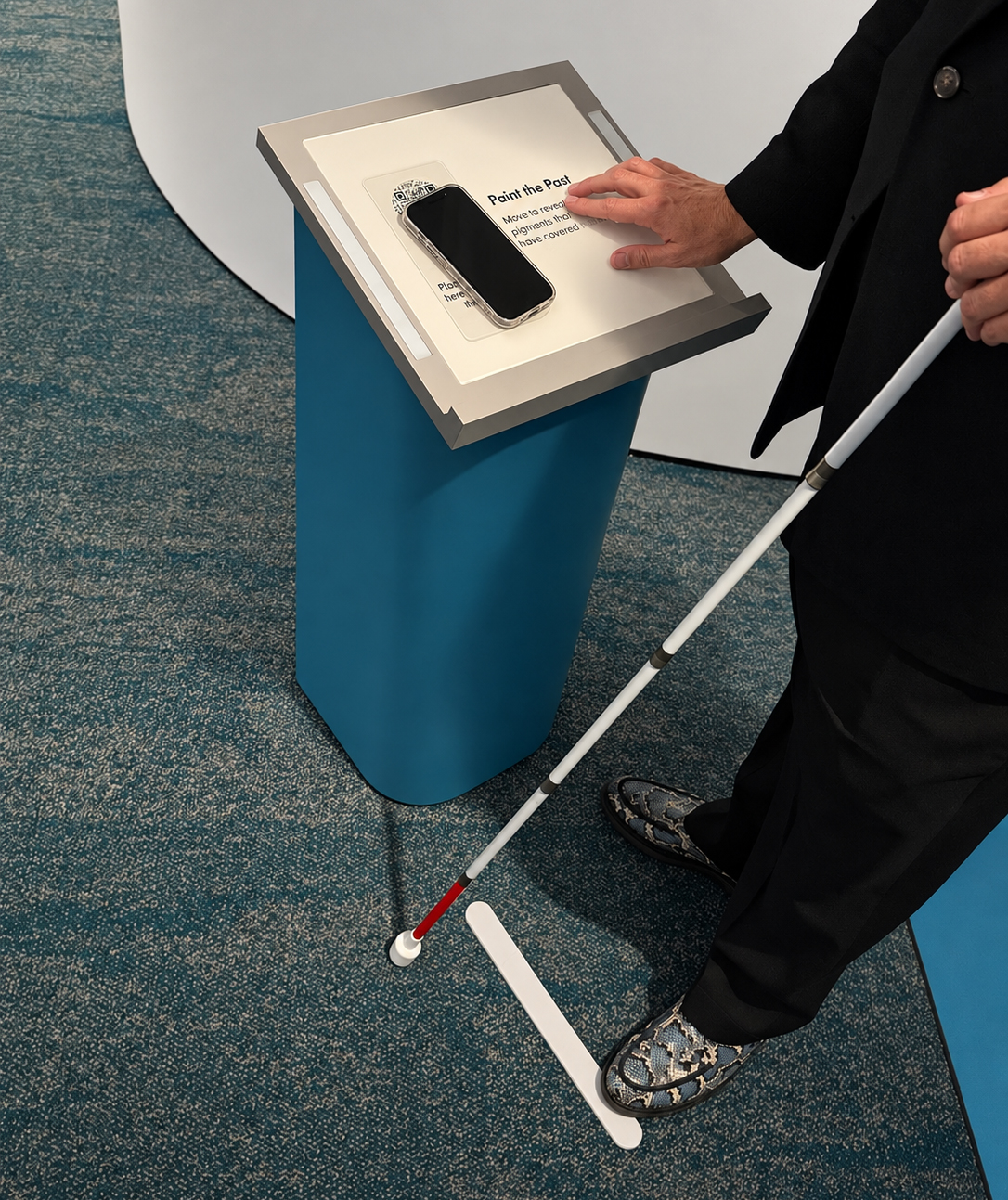
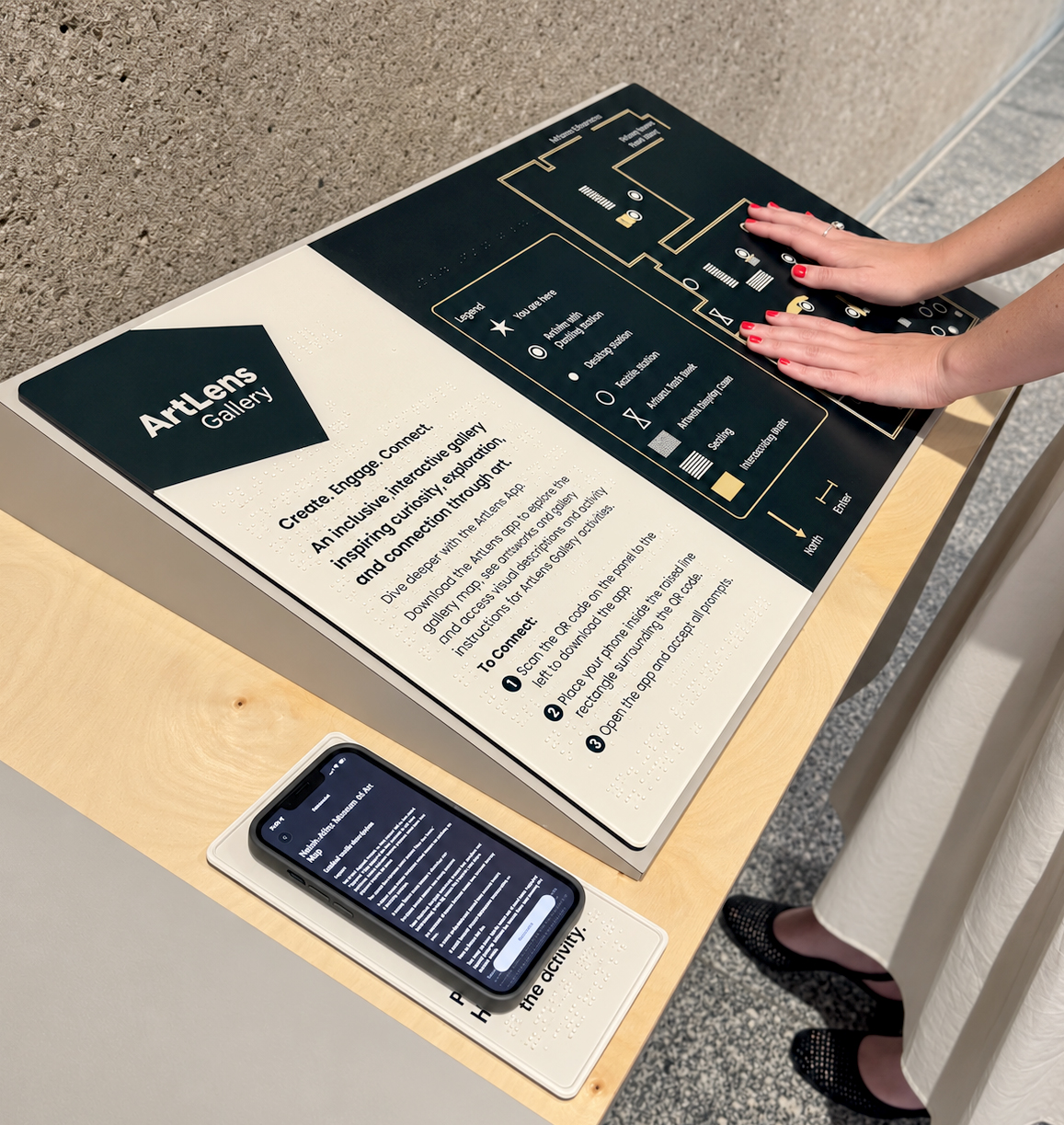
PAC designed and produced tactile maps for both gallery entrances and every Braille panel across the experience. PAC also advised on a tactile wayfinding system that uses changes in flooring to communicate how spaces function: concrete marks circulation areas, carpet identifies places to dwell, and rubber distinguishes the interactives. Tactile floor markers, designed and installed with PAC’s support, help visitors locate the phone docking stations where interactive experiences begin.
Digital Accessibility
PAC worked closely with Dome Collective and Line Break to rebuild the ArtLens app, connecting digital accessibility with the inclusive design features throughout the gallery. For the ArtLens gallery, the app provides an overview of each space, descriptive introductions and instructions for each interactive, visual descriptions of artworks, guided tactile descriptions of maps and touch objects, and general accessibility information.
The new app (available now for iOS and Android devices in the app stores) offers much more beyond the ArtLens gallery experiences. All users can explore and discover the museum’s collection whether they are on or off site via the app’s map to find and favorite artworks. PAC worked with the development partners to surface all information visually present in the map as dynamic and structured text to ensure all users can navigate throughout the galleries and take tours. Together, the app and physical features support visitors in orienting themselves, understanding how to participate, and exploring the collection.
Concluding Thoughts
PAC’s involvement across experience design, tactile interpretation, the built environment, and digital accessibility helped connect individual design decisions into a cohesive visitor experience. From finding an interactive to exploring a painting through touch and sound, the gallery offers blind and low vision visitors, alongside visitors with a wide range of abilities and disabilities, multiple ways to participate in a shared encounter with art.