
Capacity Building
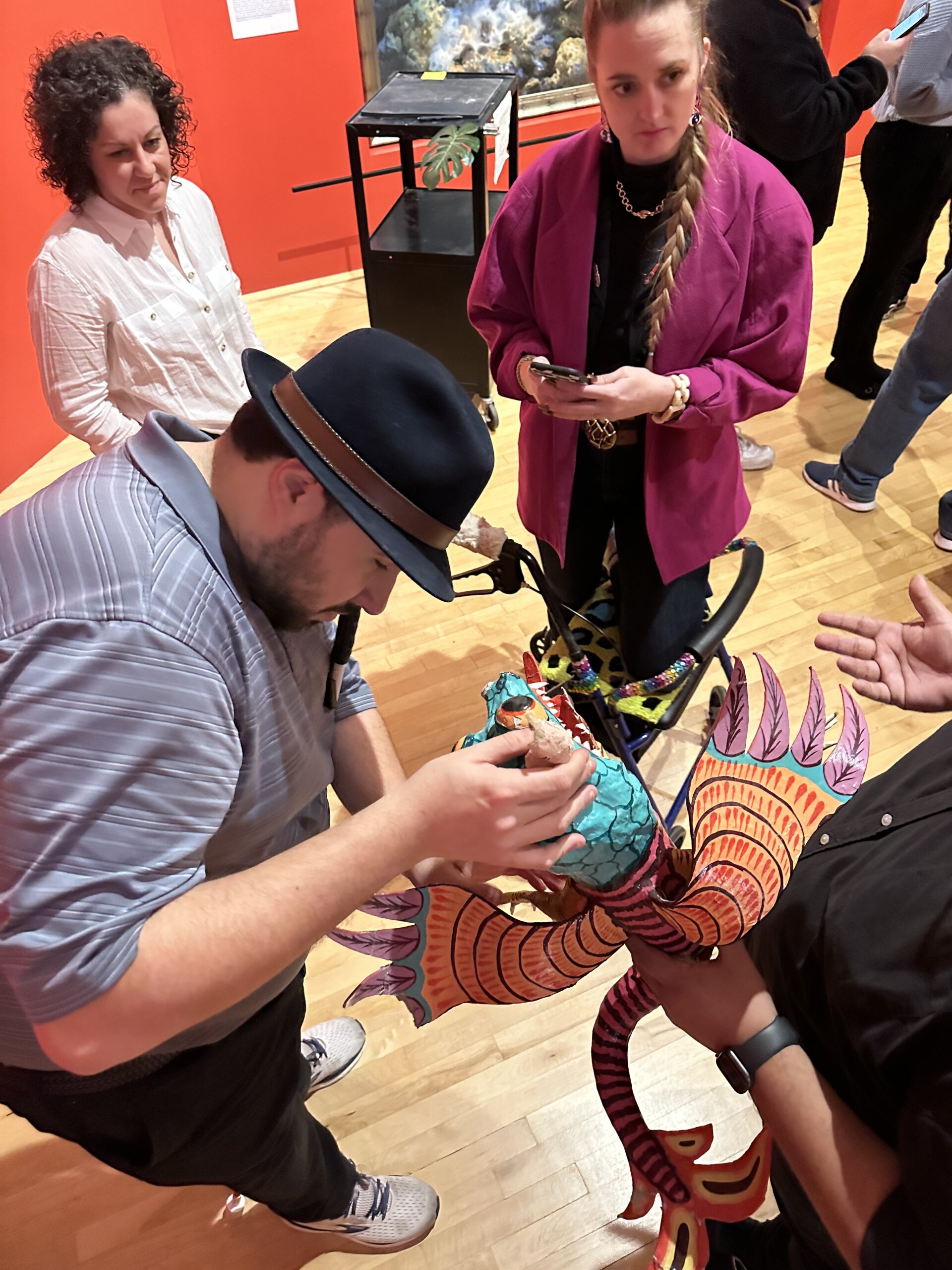
PAC worked with the National Museum of Mexican Art on “Arte for All: Accessibility at NMMA”, a multi-year capacity-building initiative that embedded inclusive design into museum operations through staff training, advisory groups, roadmapping, and sustainable accessibility workflows.
Media
Project Description
For many museums, accessibility work begins at the edges of a project: added late, isolated within a single department, or treated as a checklist of accommodations. The National Museum of Mexican Art chose a different path.
Through Arte for All: Accessibility at NMMA, the museum undertook a multi-year institutional capacity-building initiative focused on embedding inclusive design across its work, with particular attention to blind and low vision visitors. Working with Prime Access Consulting, NMMA approached accessibility not as a standalone program, but as an institutional transformation.
Founded in 1982 by educators and rooted in presenting Mexican art and culture through a first-voice perspective, NMMA has long centered cultural competency within its mission. This project expanded that commitment by building organizational competency around disability, accessibility, and inclusive design while examining how barriers exist across physical space, communications, interpretation, programs, collections, and institutional practice.
The work emerged through NMMA’s involvement with the Terra Foundation’s Art Design Chicago initiative, which encouraged cultural organizations across the city to deepen equity and community engagement practices. As part of that process, NMMA identified a significant gap: blind and low vision Latino audiences, including Spanish-speaking immigrants and low-income families, were largely absent from museum accessibility conversations despite being disproportionately affected by health conditions that can cause blindness.
In 2019, NMMA worked with PAC to pilot audio-described media for the exhibition 40 años a la esperanza, but that work remained siloed within the education department and was not sustained institution-wide. Rather than repeat a project and disability-specific approach, NMMA and PAC focused on building systems that could reshape how the institution operates over time. The goal was not simply to create accessible exhibitions, but to cultivate an organizational culture capable of sustaining inclusive practice long after the grant period ended. Supported by a Museums Empowered grant from the Institute of Museum and Library Services, the next phase of this work began in 2023.
Building Organizational Capacity
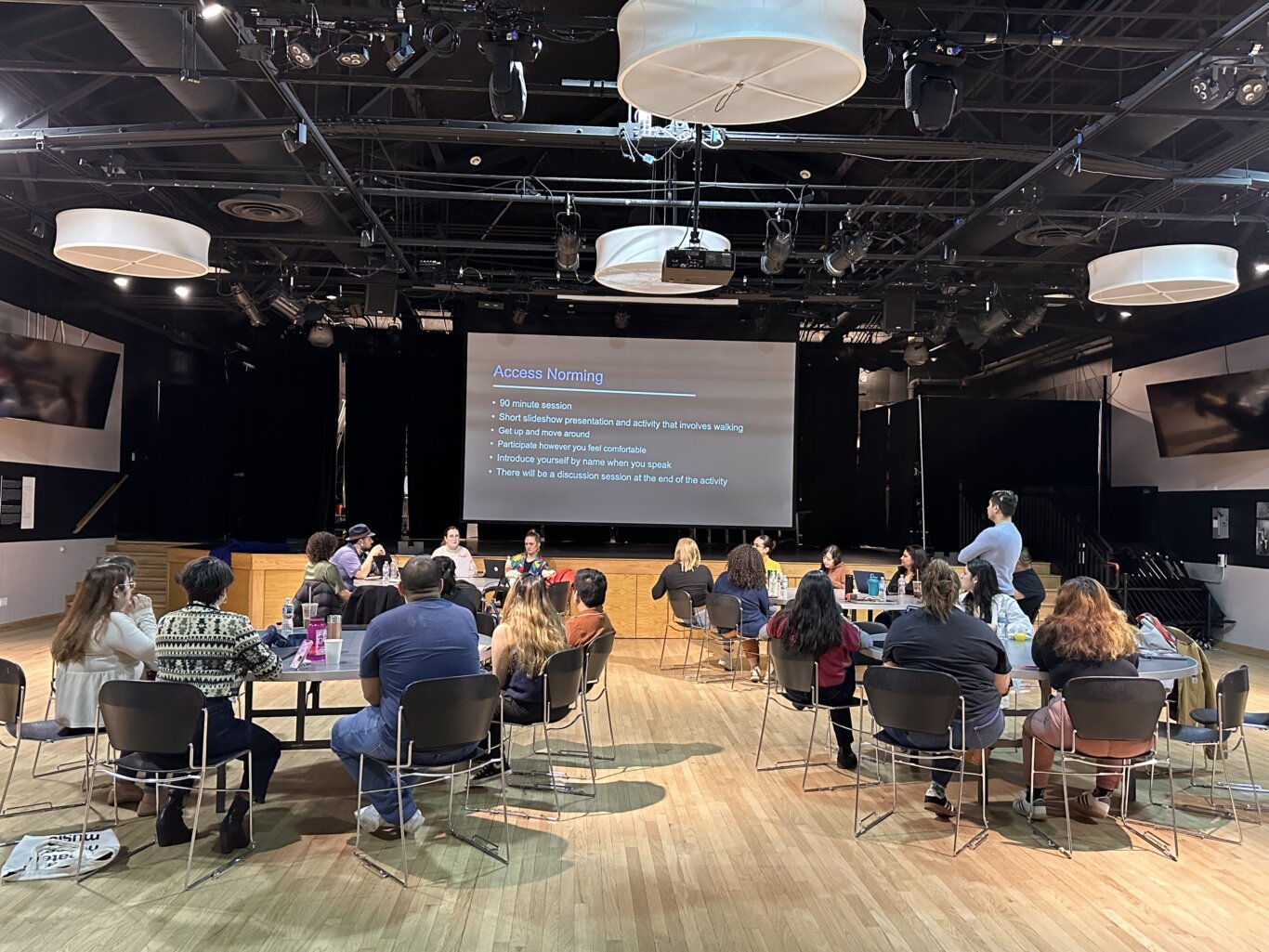
At the center of the project was PAC’s Practice of Inclusion Workshop Series, a sequence of fourteen workshops and applied activities delivered across departments and levels of the organization. The workshops paired lectures, discussion, and hands-on gallery exercises, focusing on the inclusive design ecosystem, visual description, collections management, digital accessibility, wayfinding, visitor services, graphic design, project management, and institutional policy.
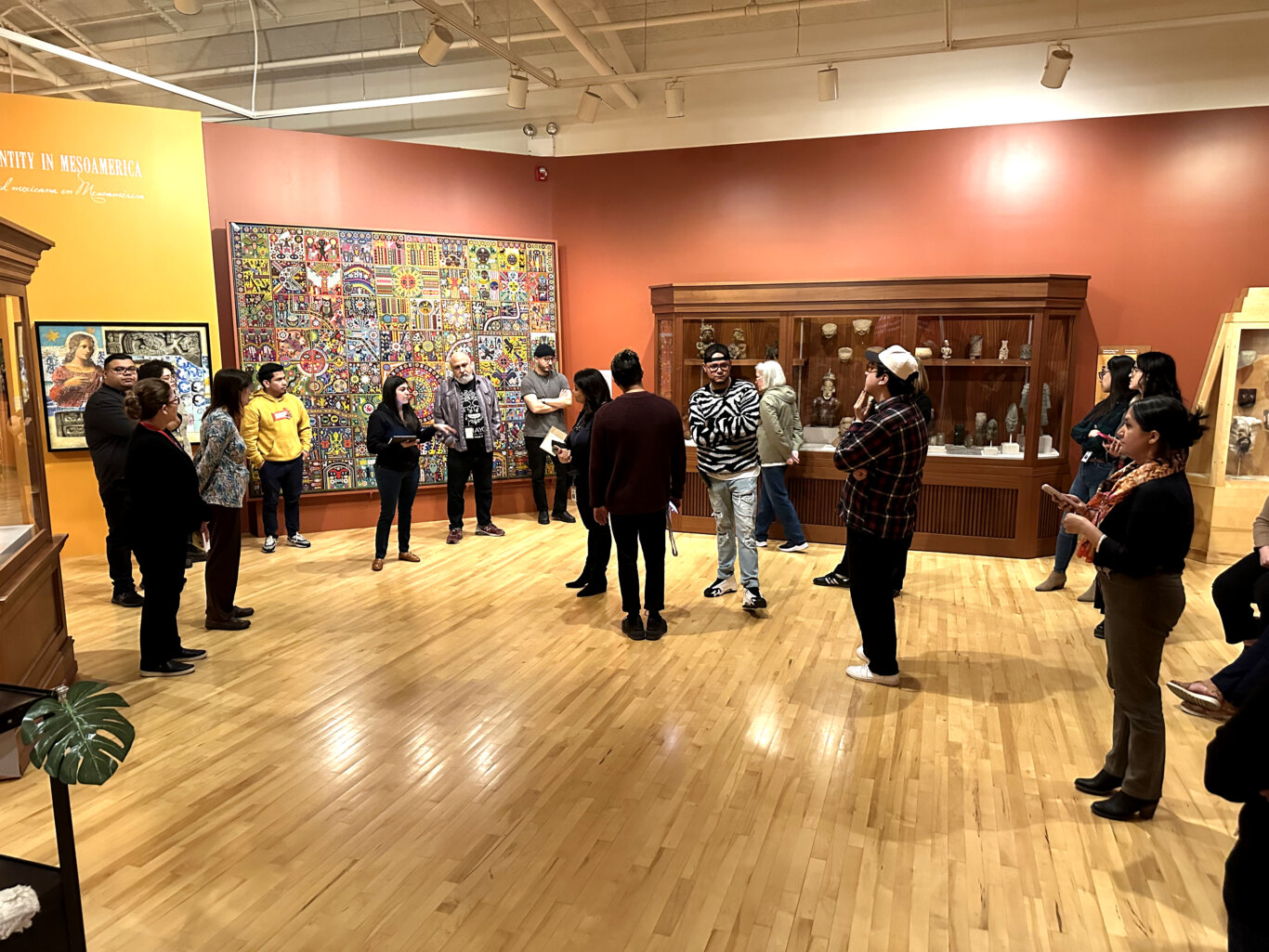
Working on site and directly in NMMA’s galleries made the need for change concrete. Staff moved through familiar spaces with an inclusive design lens, examining how visitors navigate, orient themselves, encounter interpretation, and access information. What does a blind visitor experience when entering a gallery designed primarily for visual consumption? How does a label’s height, contrast, or placement shape usability? How do digital systems, visitor services, and programming intersect to create either autonomy or exclusion?
These exercises transformed accessibility from an abstract concept into a concrete part of design strategy and daily operations.
Importantly, the work shifted from being championed primarily by Education staff to cross-departmental ownership and involvement. Staff from Education, Visual Arts, Permanent Collection, Development, Operations, Communications, Performing Arts, and the Gift Shop participated together, breaking down traditional institutional silos. Accessibility was no longer positioned as the responsibility of a single department. It became a shared organizational practice.
This shift was reflected in NMMA’s internal evaluation data. In 2024, more than half of surveyed staff reported having “very little knowledge” of inclusive design. By 2025, staff confidence and knowledge had transformed dramatically, with accessibility increasingly integrated into day-to-day work rather than viewed as an additional burden. Staff across departments began proactively identifying how inclusive design related to their own responsibilities, from exhibition design and collections management to communications, development, and visitor engagement.
From Training to Institutional Practice
The work extended beyond workshops into the development of institutional structures capable of sustaining long-term change.
PAC supported NMMA in establishing both an Inclusive Design Working Group and a Disability Community Advisory Group. The Working Group brought together representatives across departments to guide implementation, while the Advisory Group embedded direct community leadership into the process, ensuring that disabled voices shaped priorities, testing, and evaluation.
Alongside these groups, PAC developed a comprehensive Inclusive Design Roadmap that mapped accessibility initiatives across exhibitions, programming, communications, collections, digital platforms, visitor services, and operations. Rather than functioning as a disconnected planning document, the roadmap tied accessibility tasks directly to existing institutional schedules, exhibitions, events, and departmental workflows.
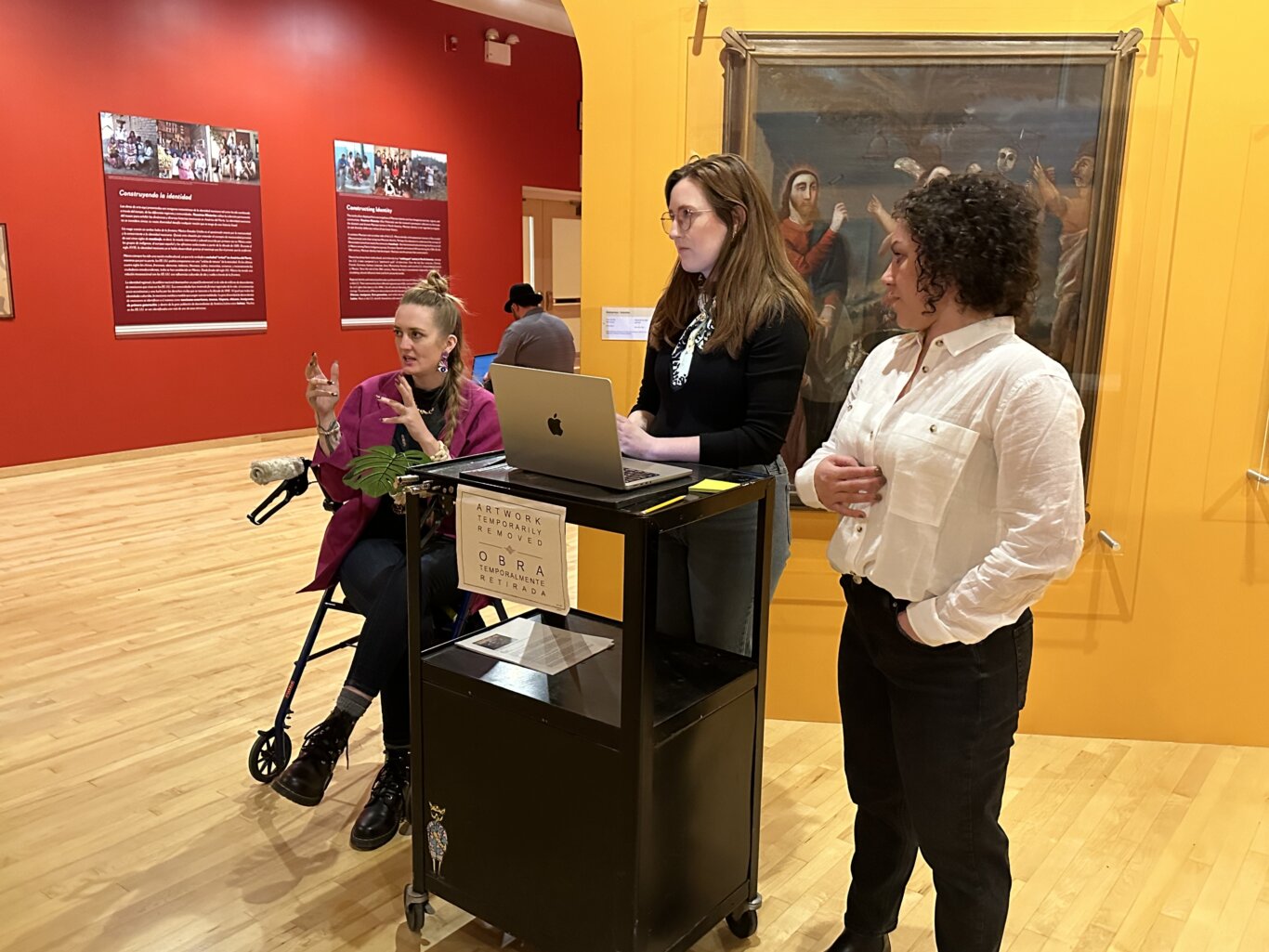
Informed by the roadmap, coaching and office hours provided dedicated time for individual departments to ask specific questions, review deliverables and designs, and work through implementation tasks with PAC support. The agenda was driven by NMMA’s team, reflecting where they were in the work and where focused guidance was most useful.
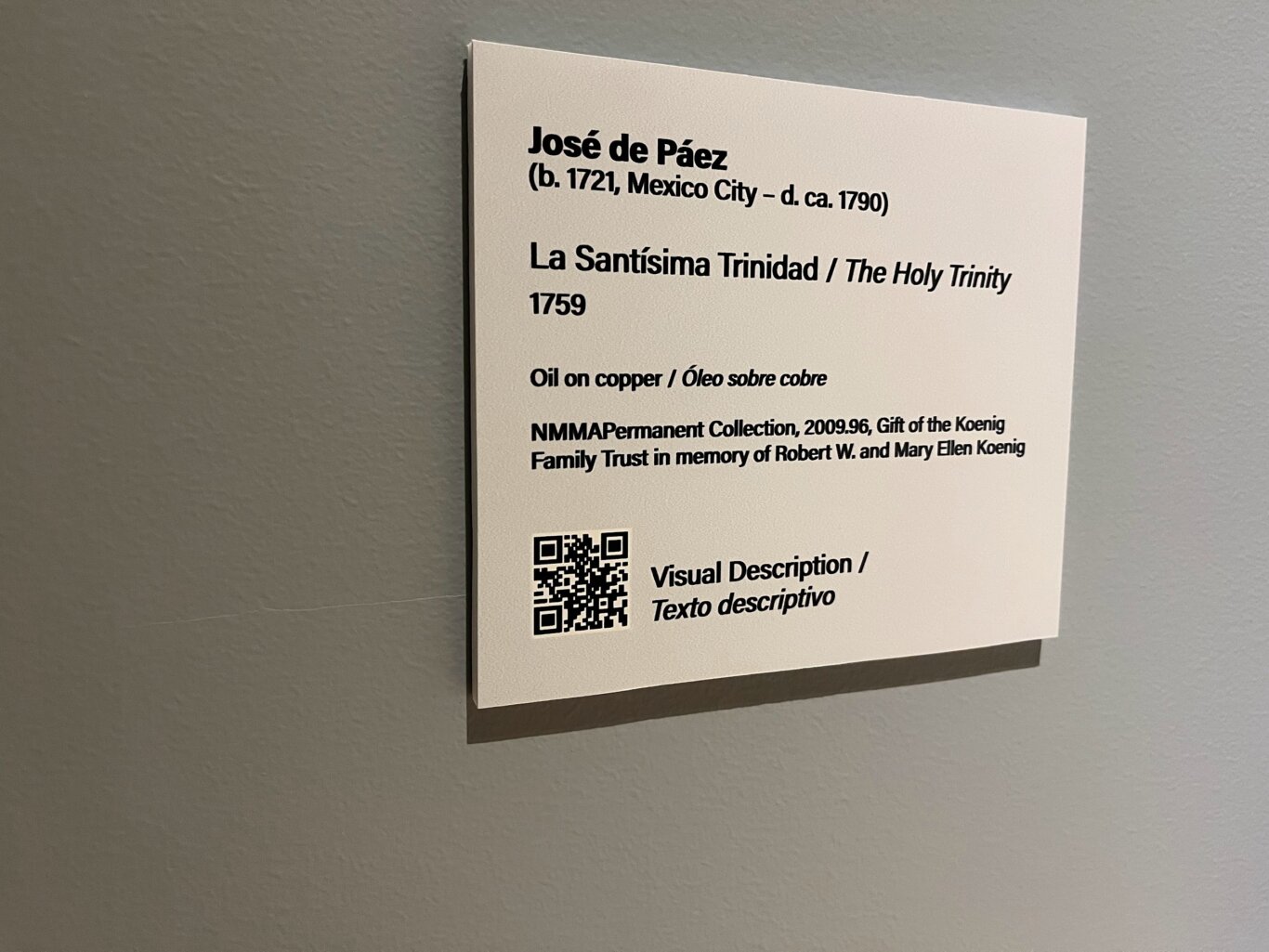
Visual Arts and Permanent Collection teams developed visual description workflows, captioning standards, semantic content guidelines, multilingual interpretation strategies, and accessible exhibition graphics. Exhibition furniture, label layouts, display cases, and hanging heights were redesigned to improve physical accessibility and legibility. QR codes linking to visual descriptions became integrated into exhibitions.
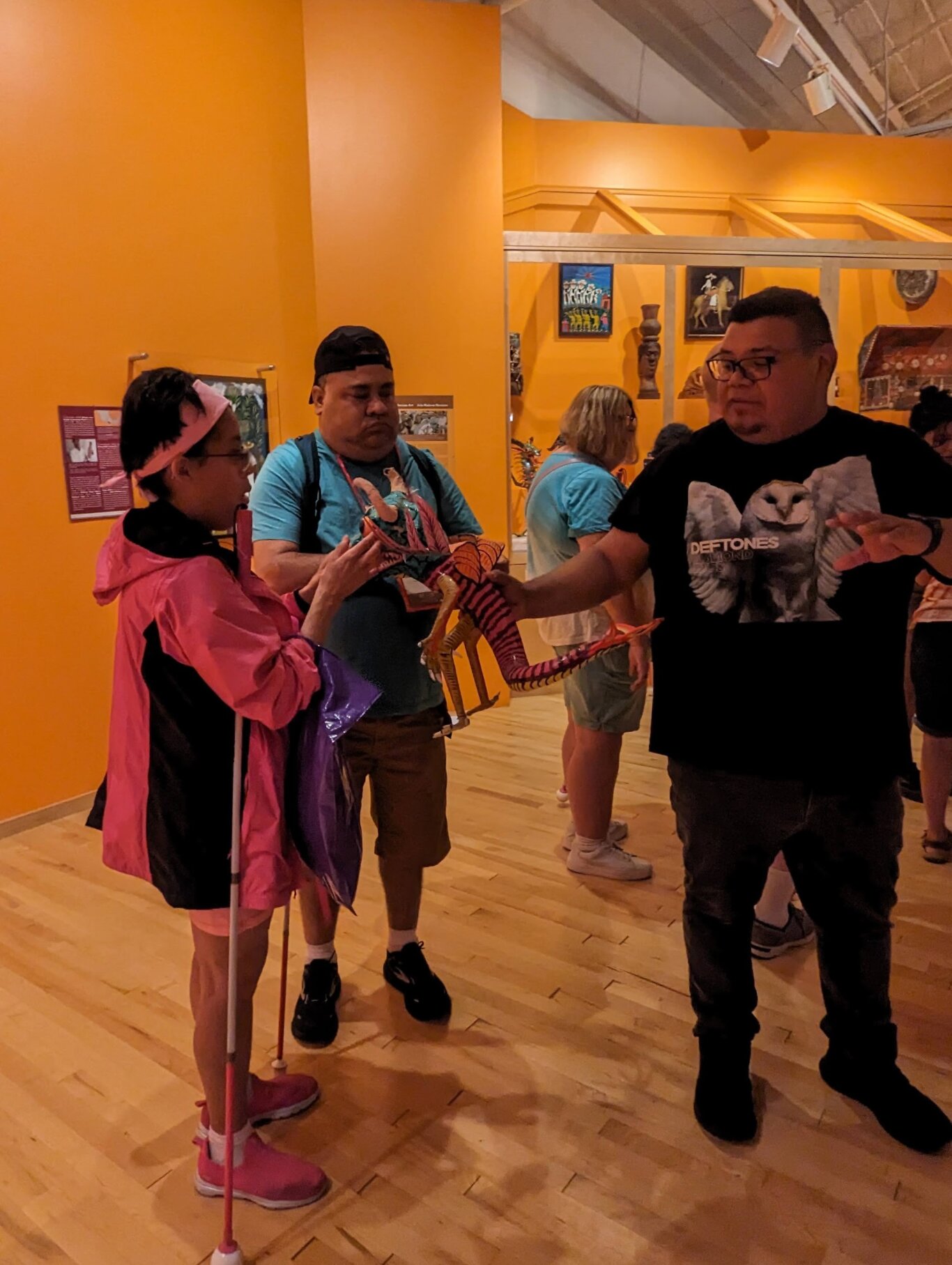
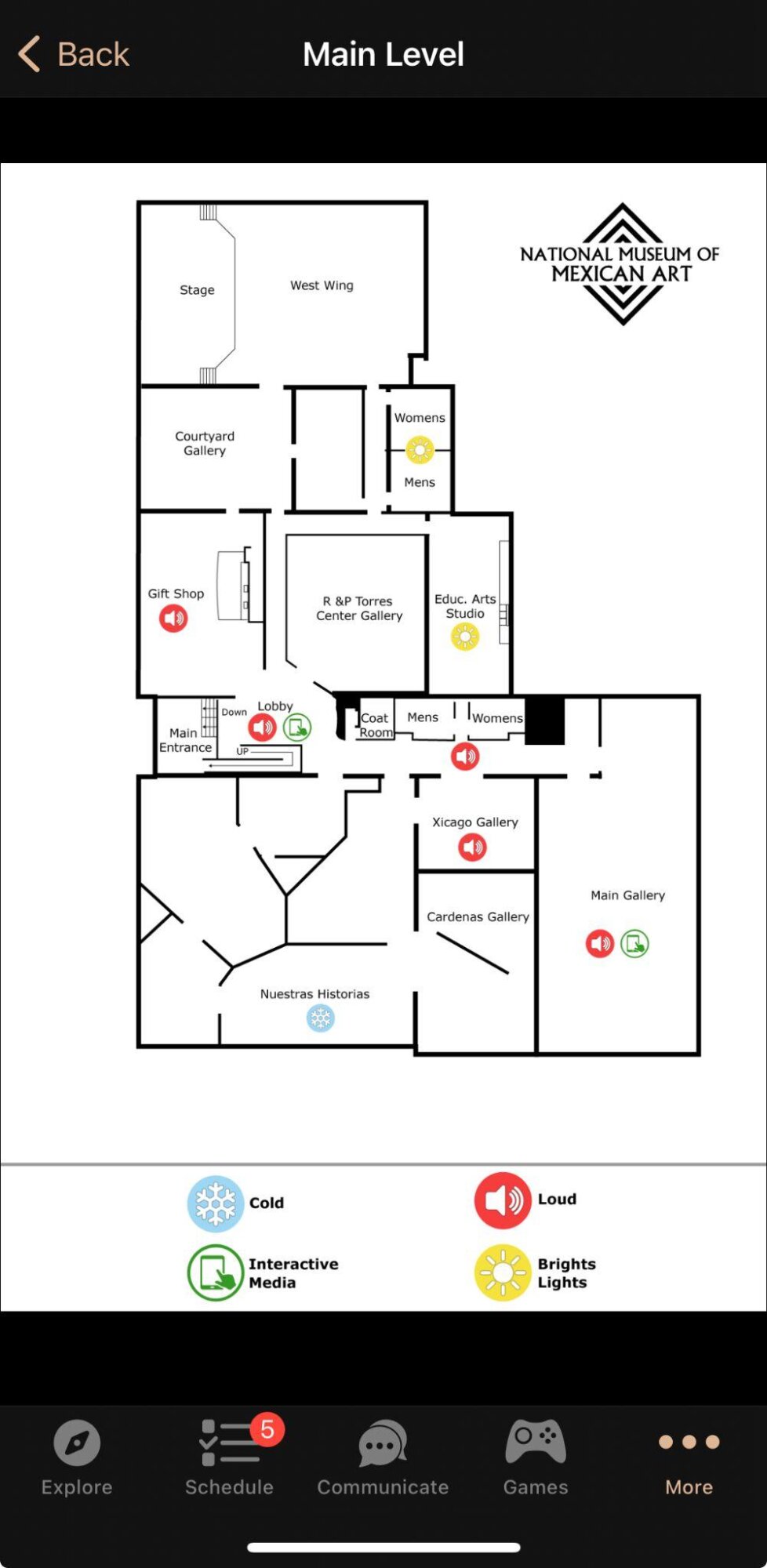
The Education department expanded sensory-friendly programming, tours, and public engagement strategies while integrating inclusive language and accessible program design into ongoing workflows. Operations and Visitor Services examined guest accommodations, staff training, wayfinding, and orientation systems. Development and Communications explored accessible communications practices, donor engagement, and accessibility-centered messaging across digital platforms.
The work also intersected with major institutional initiatives already underway at NMMA, including gallery renovations, digitization efforts, multiple museum apps, and the expansion of the Yollocalli Arts Reach program. Rather than existing separately from these initiatives, inclusive design became embedded within evolving systems and projects.
Codifying New Ways of Working
One of the most significant outcomes of the project was the codification of inclusive design into repeatable institutional workflows.
Visual description provides a clear example. What began as early conversations and isolated experiments evolved into staff training sessions, collaborative writing exercises, style guides, work plans, review processes, and consistent cross-departmental implementation between Education and Permanent Collection teams. Visual descriptions are now developed systematically for exhibitions, supported through QR code integration and binders available to visitors in the galleries.
Exhibition design practices also evolved through concrete operational changes. Hanging heights were lowered, labels were redesigned with improved contrast and larger typography, reflective plexiglass was replaced with more legible materials, and accessible display cases were introduced with wheelchair-accessible toe-kick clearances.
Importantly, the project did not frame accessibility as perfection or completion. Staff consistently described the work as iterative, embracing small wins, continuing coaching hours and working group meetings, refining roadmaps, and recognizing where progress remained uneven.
Impact & Continued Trajectory
The impact of the project extended beyond the implementation of specific accommodations or programs. It changed organizational culture.
By 2025, accessibility had evolved from the purview of a single department into a shared institutional responsibility. Staff increasingly described inclusive design as integrated into planning, exhibition development, visitor services, communications, and fundraising practices. Confidence levels rose dramatically, and staff began identifying NMMA not only as a participant in accessibility conversations, but as a leader capable of supporting peer institutions.
This trajectory also expanded outward into the broader cultural sector. NMMA staff presented publicly about their work, participated in conferences including the American Alliance of Museums and Mosaic Convening, and began sharing strategies with peer organizations. Staff expressed aspirations for NMMA to help lead other Latino and smaller arts organizations in developing more inclusive practices.
Most importantly, the project established sustainable systems for continued growth. The Inclusive Design Working Group and Disability Community Advisory Group remain active. Accessibility considerations are now routinely raised during planning conversations. Visual descriptions, sensory supports, bilingual sign language interpretation, touch tours, and accessible communications have become embedded within museum operations rather than existing as standalone initiatives.