
Capacity Building and Touch Objects
PAC helped Museum of the Moving Image build inclusive design capacity through staff training and a working group, then supported community-led prototyping that produced nine accessible touch objects and a recurring monthly touch experience program.
Media
Project Description
Museums that want to become more inclusive often face the same early challenge: they know change is needed, but they may not yet have the internal language, structure, or confidence to pursue that change consistently. The Museum of the Moving Image (MoMI) came to Prime Access Consulting at exactly that moment. With a significant redesign on the horizon, the Queens-based museum wanted to move forward with intention, building the internal capacity to welcome broader audiences before the work of physical and programmatic transformation began in earnest.
PAC’s work with MoMI began as a capacity-building engagement and grew into a more focused exploration of touch as an interpretive tool. Across both phases, the goal was not simply to identify accessibility barriers, but to help the museum develop the internal practices, community relationships, and design processes needed to address those barriers over time.
Capacity Building
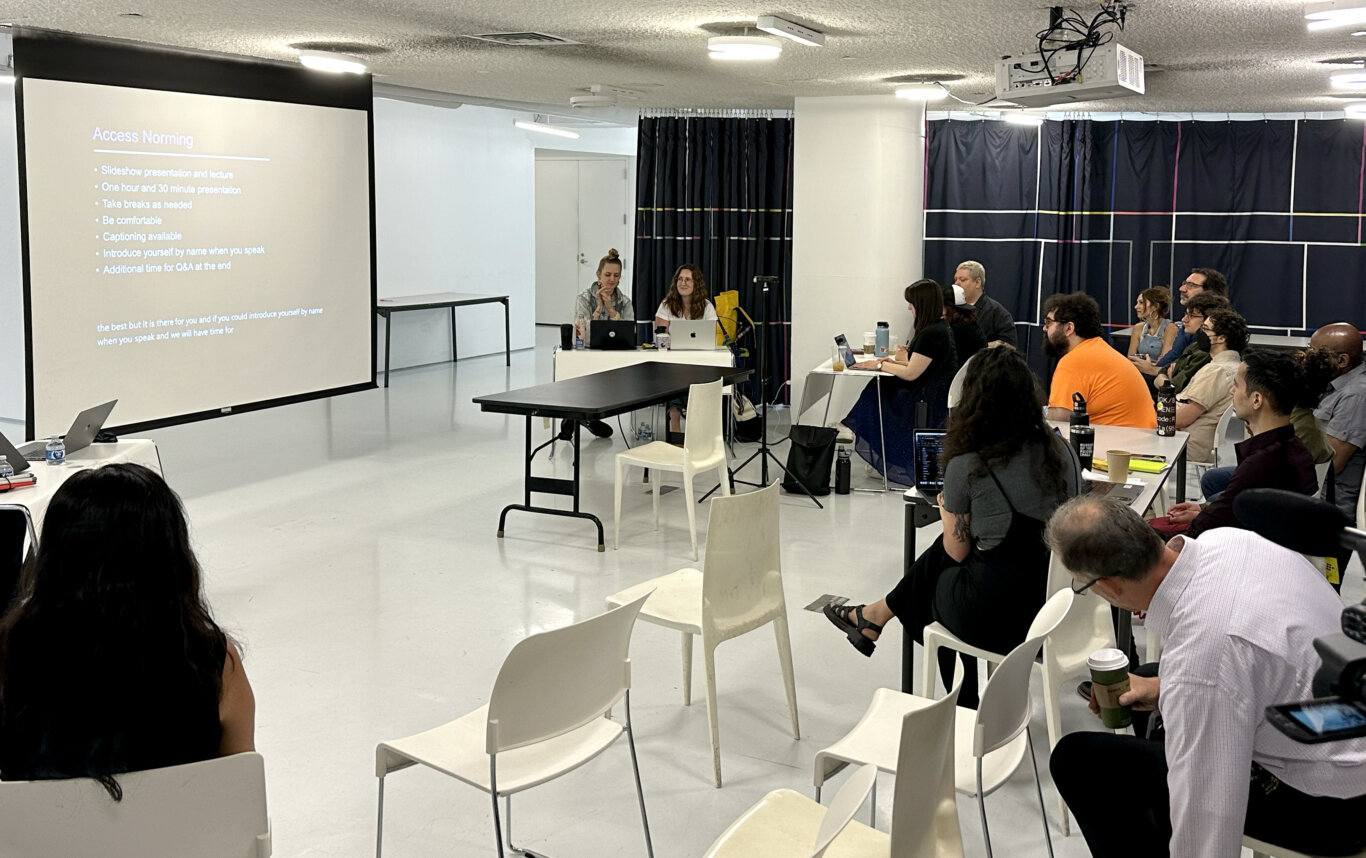
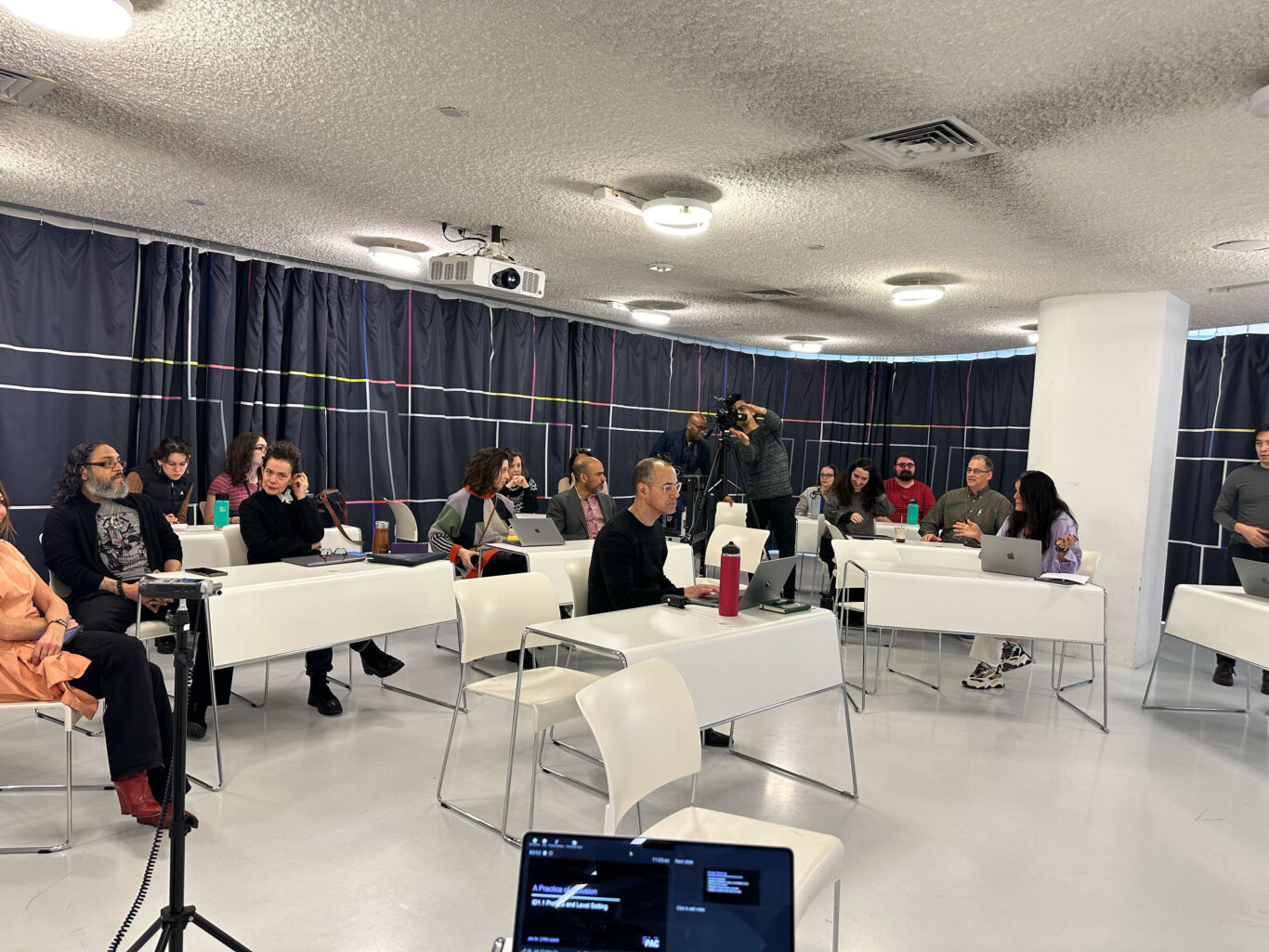
PAC’s engagement started with the Practice of Inclusion Workshop Series, delivered across two in-person visits to the museum. The series pairs instructional content with in-gallery design conversations, so staff are not only learning inclusive design concepts in the abstract, but applying them directly to MoMI’s own spaces, programs, and visitor experiences.
The workshops span the full scope of inclusive design practice, including content development, graphic design, digital access, the physical environment, interpretation, public programs, and organizational decision-making. They are structured to engage staff across departments and at multiple levels of responsibility, because inclusive design cannot be sustained by one department alone.
Working in MoMI’s own galleries made the learning tangible. In-gallery activities prompted staff to move through familiar spaces with an inclusive design lens, surfacing and challenging assumptions. What is available for a blind or low vision visitor to do, touch, or learn from? How is directional and interpretive information presented? What happens when a visitor with a cognitive or sensory disability encounters a label written at a high reading level, mounted at an uncomfortable height, or positioned in a visually complex environment? These are not abstract questions. Moving through the galleries with them in mind produces concrete answers, and those answers drive the work.
Between visits, coaching hours, and remote sessions kept the work moving, giving staff space to ask questions and work through challenges as they arose. This continuity matters. Inclusive design capacity is not built in a single workshop. It develops through repeated application, feedback, refinement, and shared accountability over time. The remote sessions allowed MoMI’s team to bring specific problems to PAC as they encountered them, connecting instruction to practice in real time.
The final visit ended with the launch of an Inclusive Design Working Group, an internal team tasked with sustaining the work beyond PAC’s direct involvement. The working group distributes responsibility across the institution, helping ensure that inclusive design is not siloed within a single department or dependent on any one person to keep it moving. For a museum in the early stages of building this practice, that internal structure is as important as any individual deliverable.
Touch as an Interpretive Tool
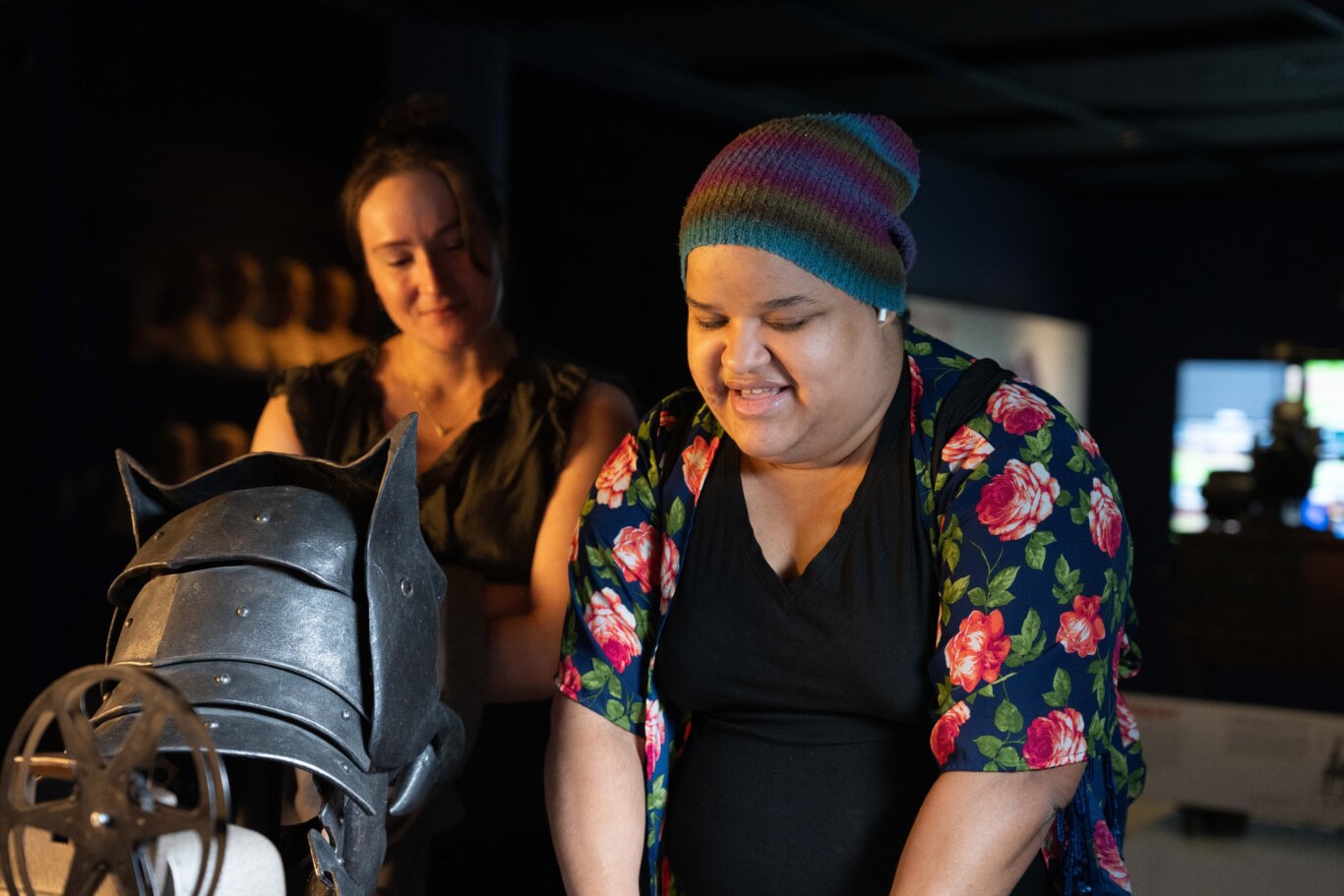
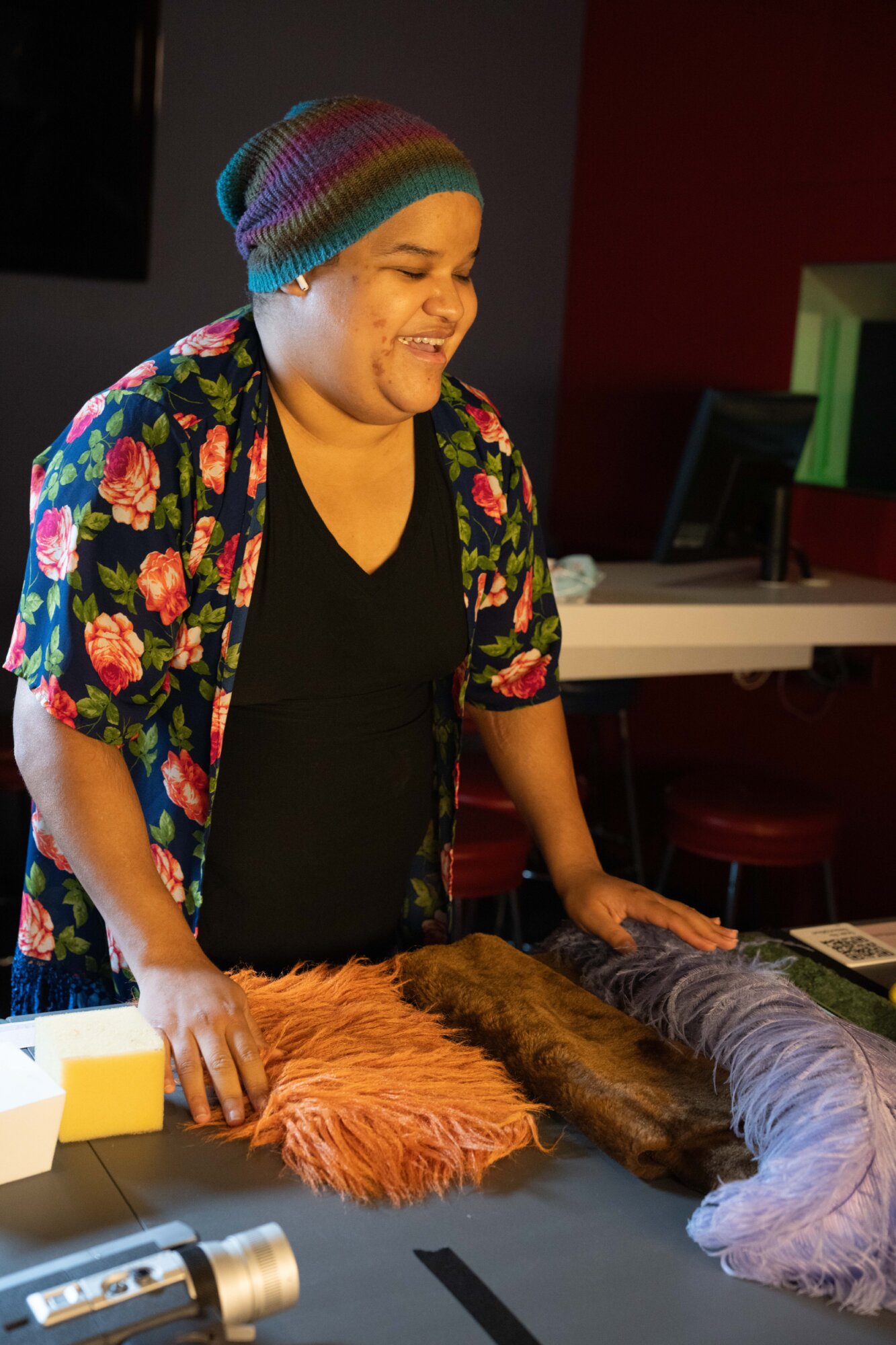
That foundation set the stage for a more focused second phase: a grant-funded pilot project exploring touch as an interpretive tool. Touch experiences offer something few other museum strategies can match. They give blind and low vision visitors direct and meaningful access to objects, and they invite all visitors into a more embodied relationship with a collection.
Getting touch experiences right, however, requires more than selecting objects and placing them on a table. It requires a dedicated design process, institutional care, and meaningful community involvement. Touch objects need to be selected for interpretive value, tactile legibility, durability, safety, and visitor interest. They also need to be supported by context, description, labeling, and facilitation so that touch becomes part of the interpretive experience rather than an isolated accommodation.
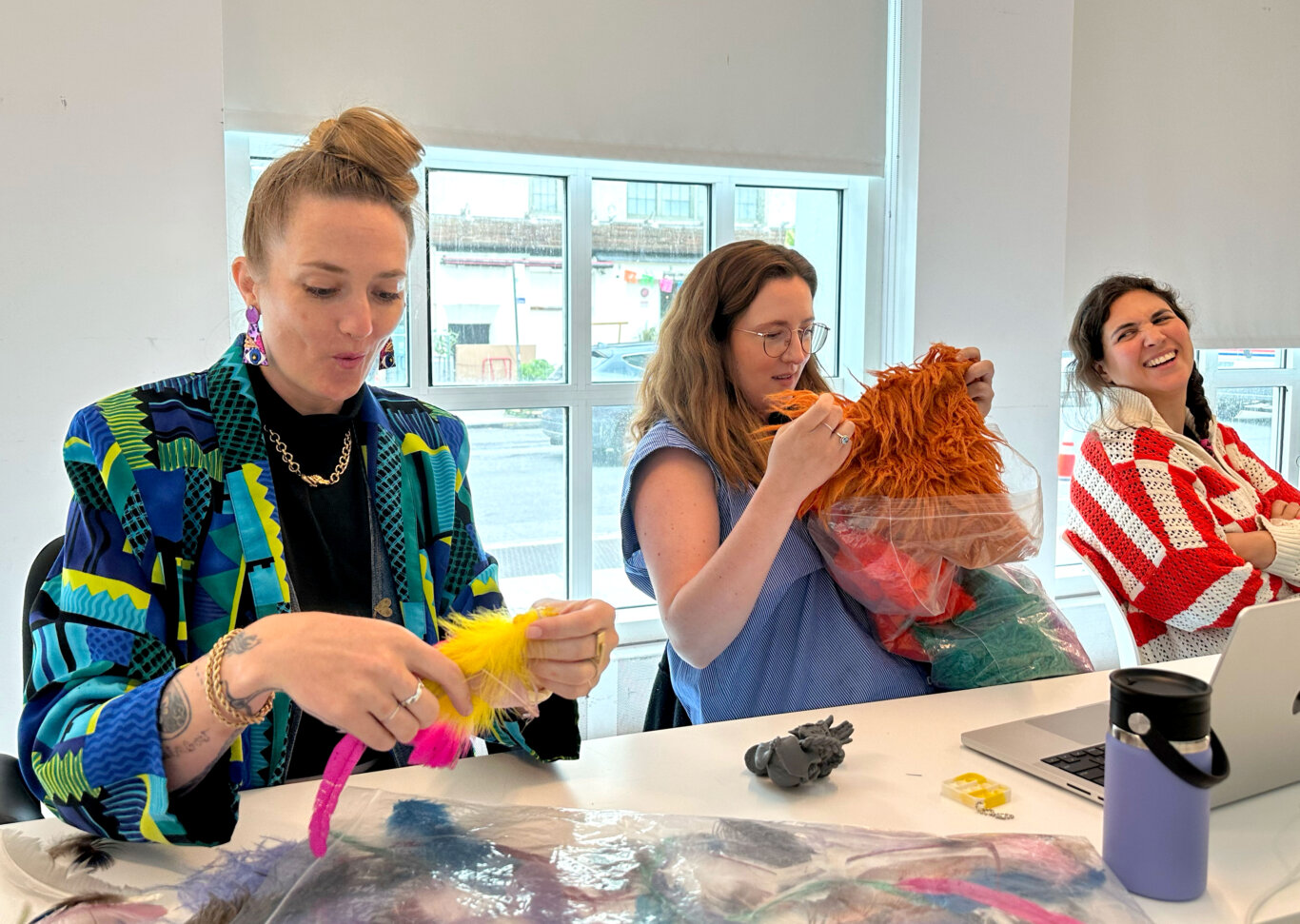
PAC helped MoMI build a Disability Community Advisory Group to be involved in the prototyping from the start. PAC’s work included advising on how to identify and recruit members, creating meaningful compensation structures, developing feedback mechanisms that keep community input in the decision loop, and building the kind of trust that institutions often struggle to establish with communities they have historically underserved. PAC also helped design and facilitate the prototyping sessions themselves, which spanned two rounds with iteration in between.
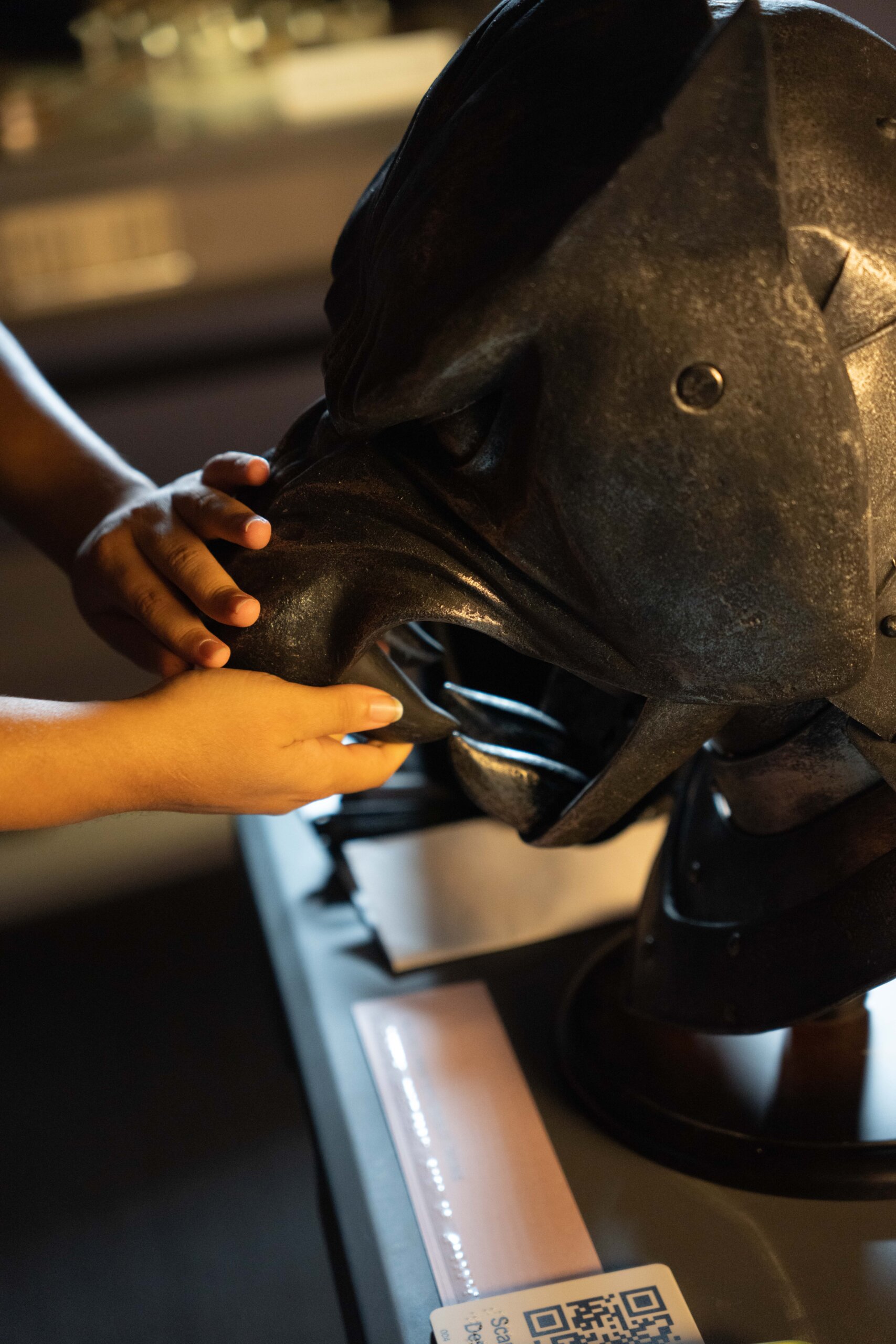
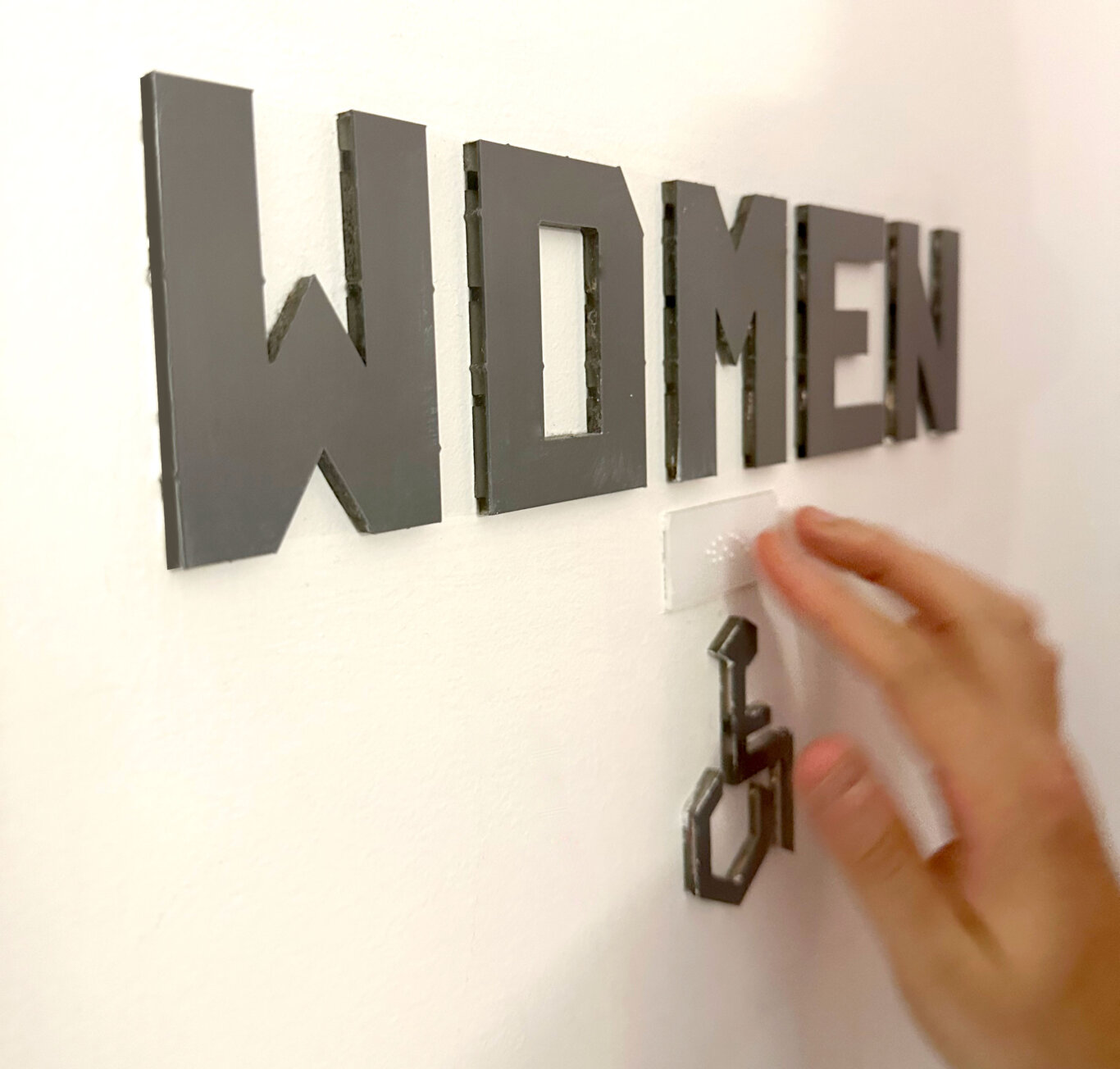
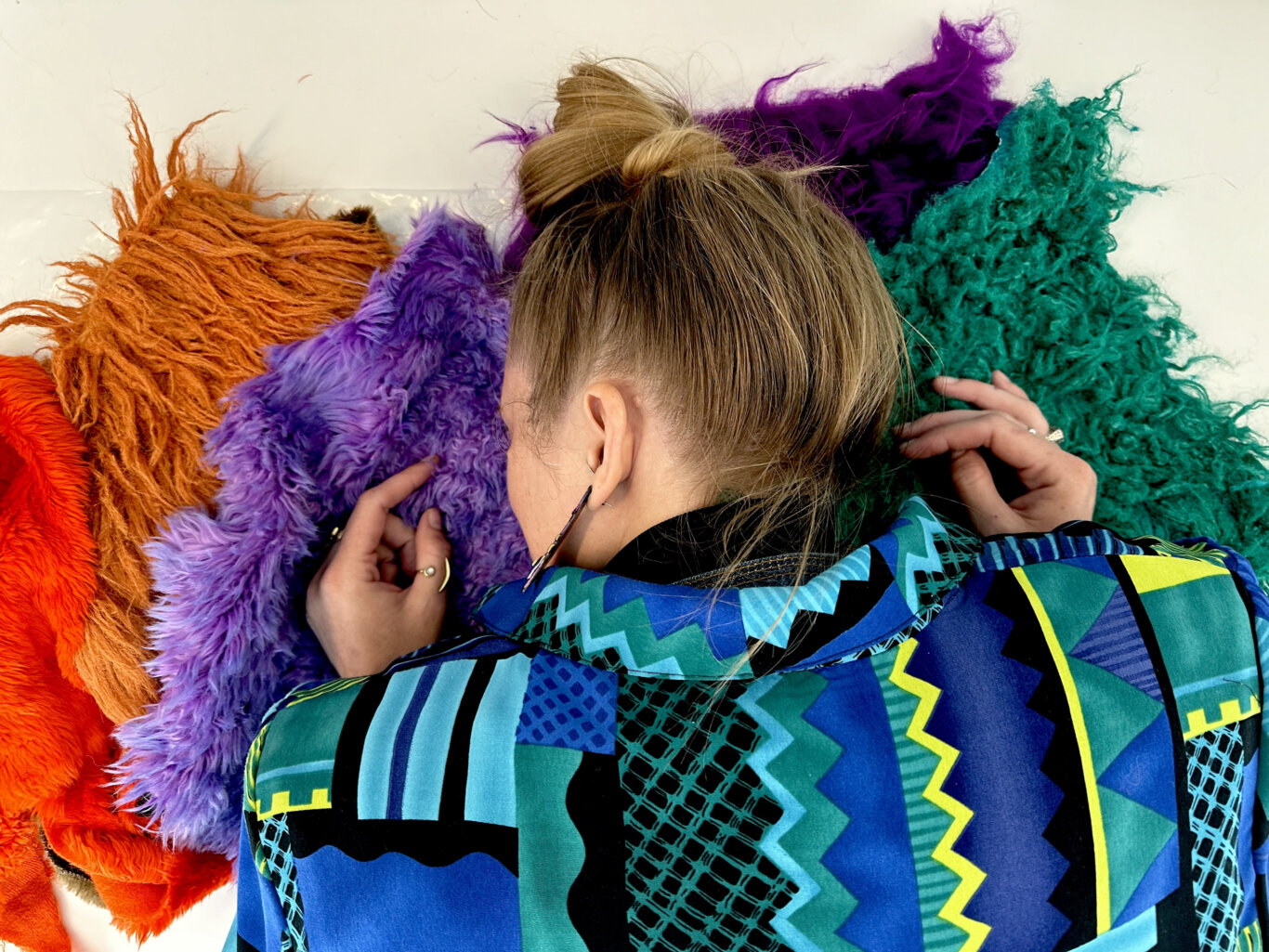
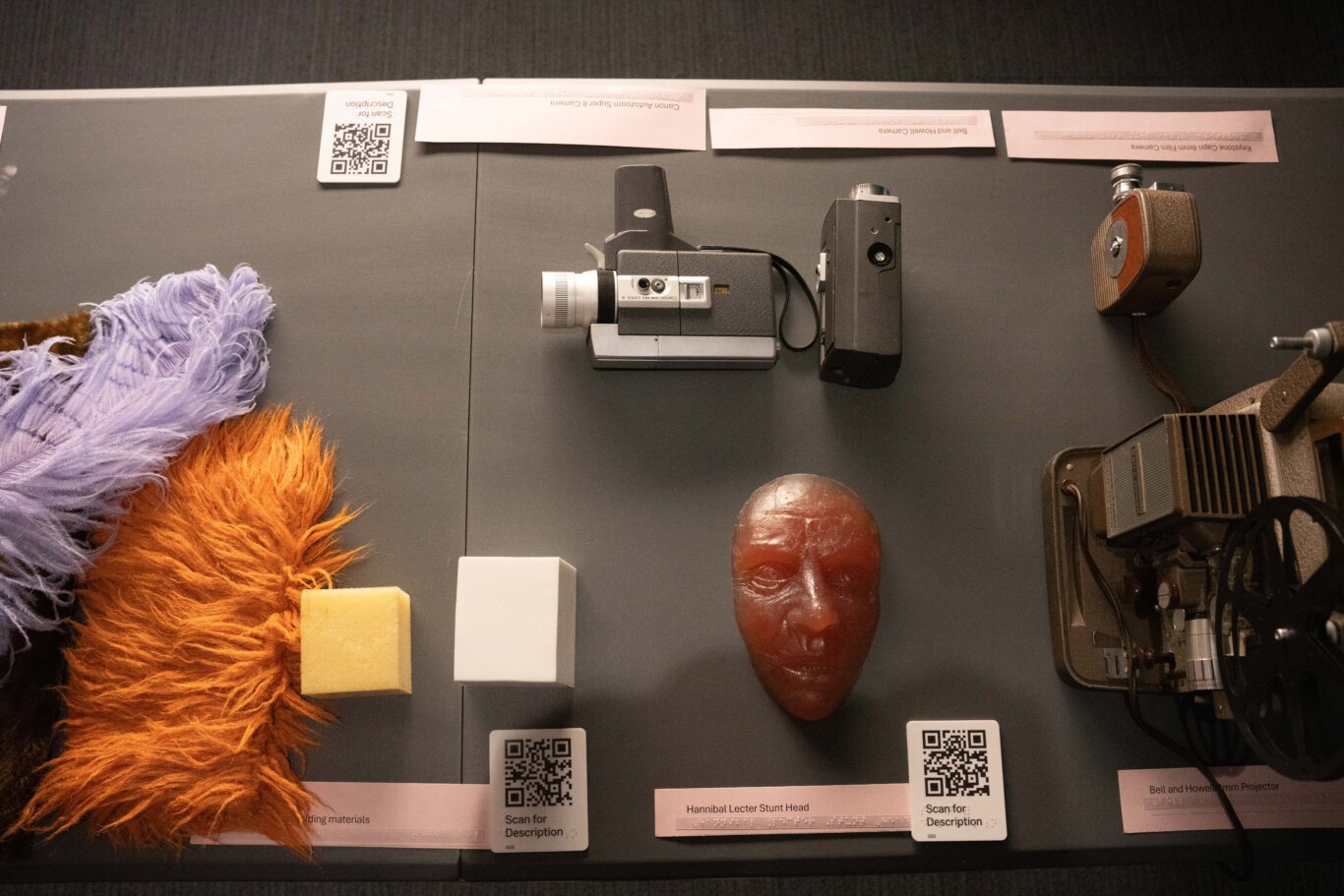
The nine objects that emerged from that process, including a Hannibal Lecter stunt mask, Muppet construction materials, a Hound’s Helm from Game of Thrones, and a Bell and Howell 8mm projector, were selected and refined based on what participants told the team they found meaningful, legible, engaging, and worth returning to. Each object is supported by Braille labels, tactile QR codes, and guided tactile descriptions housed on an accessible microsite, giving visitors the context they need to engage independently.
Those prototyping sessions have since become a monthly touch experience program, open to community members on a recurring basis. The program keeps MoMI in direct relationship with the audiences it is working to serve while continuing to build the internal knowledge and confidence that the earlier capacity-building work began.
The longer goal is integration: bringing tactility into the galleries in a more prominent and embedded way. The touch program is how the team gets there, one session at a time. It creates a structured path from training, to prototyping, to community feedback, to recurring public engagement, and eventually to more permanent, inclusive design interventions throughout the museum.
Concluding Thoughts
MoMI’s approach is a clear example of what it looks like to start small and move with care. Capacity before projects. Community before objects. Iteration before permanence. That sequence matters, and the program it produced reflects it.
By beginning with staff learning and institutional structure, then moving into community-led prototyping and recurring touch experiences, MoMI is building more than a single accessibility initiative. It is building the conditions for inclusive design to become part of how the museum thinks, plans, tests, and welcomes people over time.