
Points of View
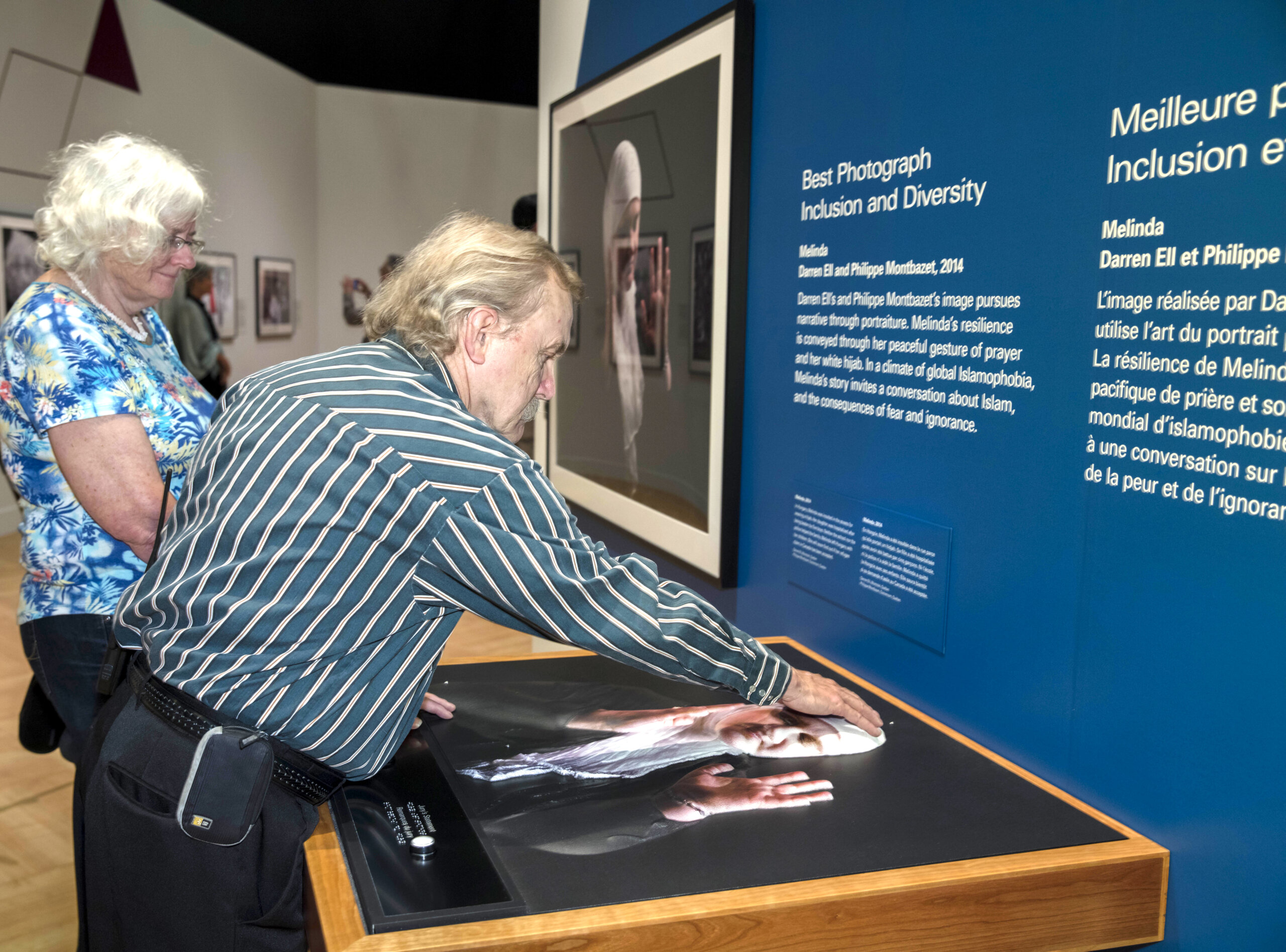
PAC worked with the Canadian Museum for Human Rights on Points of View to deliver detailed visual descriptions, tactile reproductions with audio guides, braille texts, and tactile wayfinding, enabling accessible exploration of 70 photographs—now in the museum’s permanent collection—and helping the exhibition earn an estimated $8M in media coverage.
Media
Project Description
For Points of View, the Canadian Museum for Human Rights invited people across Canada to share photographs that expressed what human rights and social justice meant to them. To make that invitation accessible, the project team adapted the Smithsonian Institution’s online submission platform to accept entries in English and French and to meet the Web Content Accessibility Guidelines (WCAG).
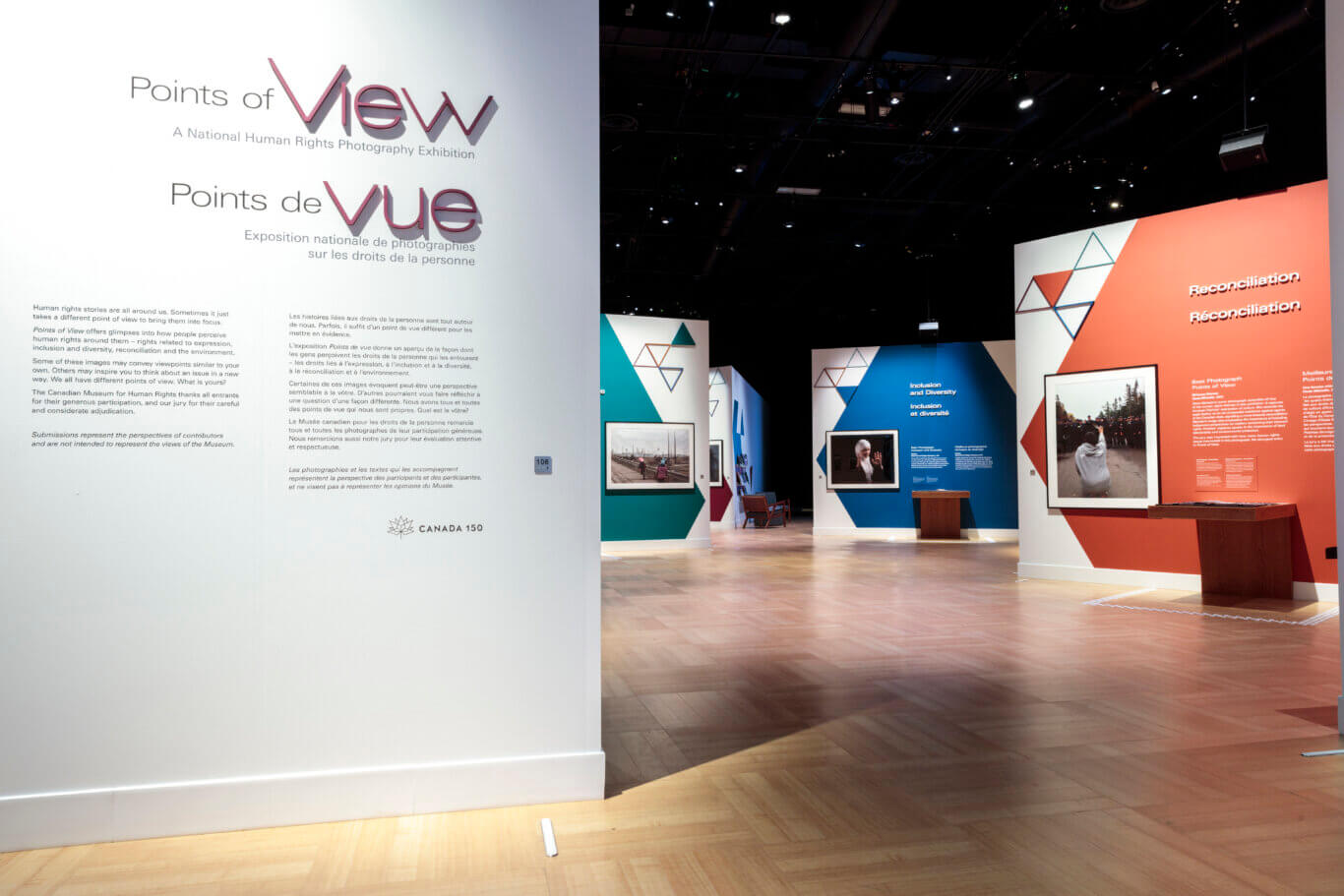
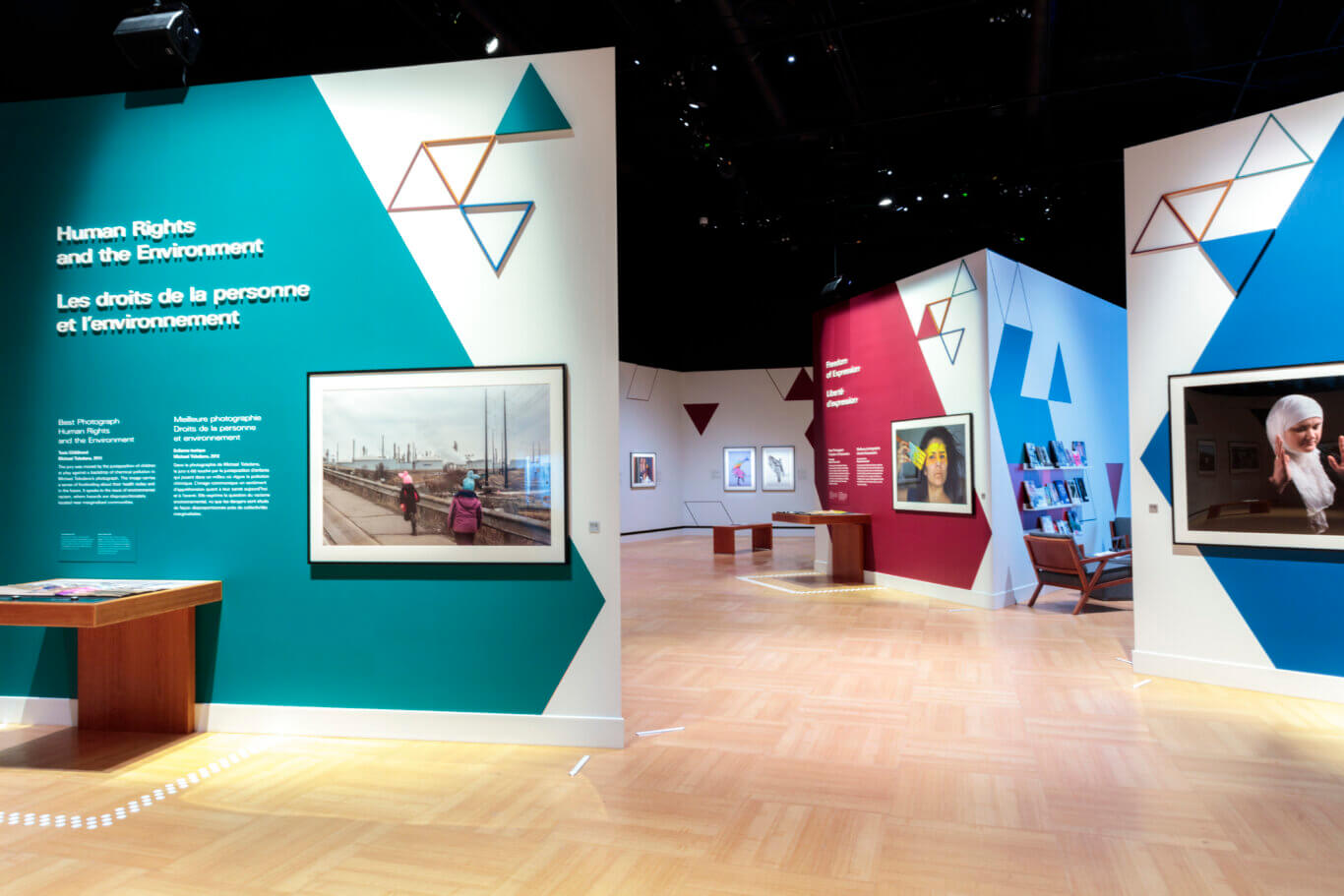
A jury selected 70 photographs from more than 1,000 submissions on the themes of Inclusion and Diversity, Freedom of Expression, Reconciliation, and Human Rights and the Environment. The museum acquired all 70 photographs for its permanent collection, giving photographers who answered a public call a direct role in shaping what a national museum would preserve.
Exploring Photography Through Sound and Touch
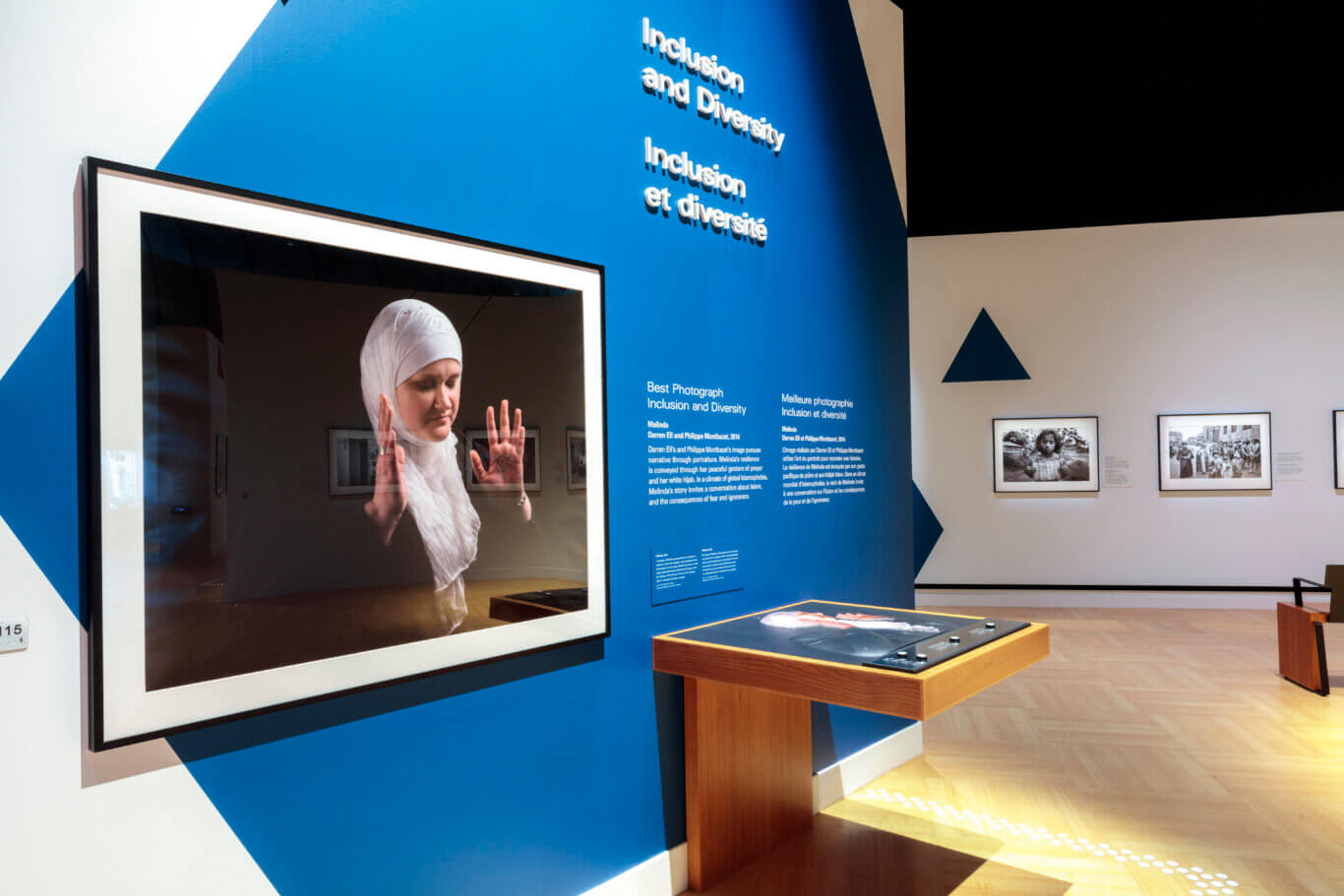
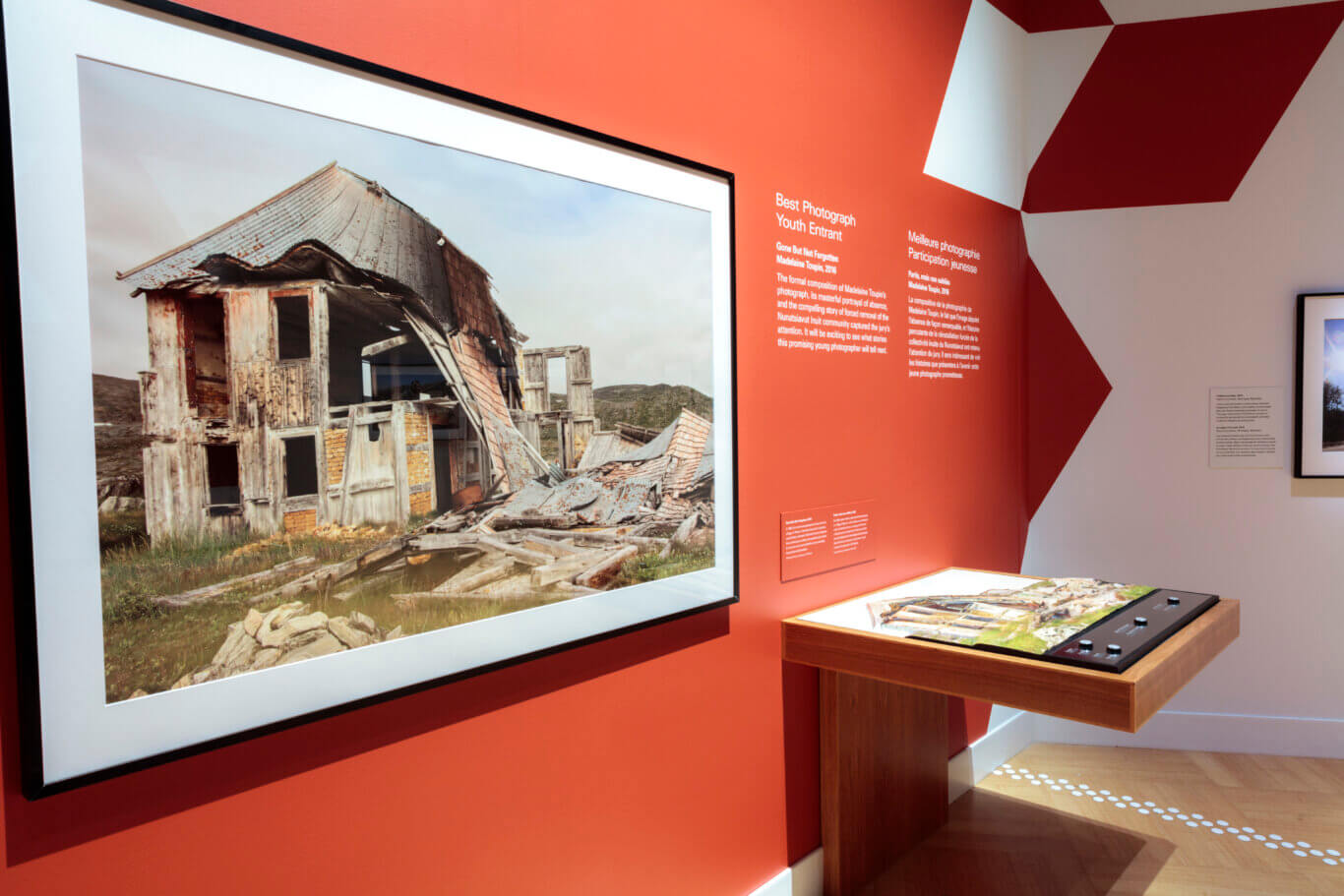
We worked with the museum to provide detailed visual descriptions for all 70 photographs. For each of the four category winners, visitors could also explore a tactile reproduction while listening to a description that guided them across the image. As they moved their hands, the description helped them locate individual details and understand how those details fit together in the photograph. Elsewhere in the gallery, visitors could read exhibition text in braille and use tactile cues to find their way between works.
Holding Hands With a Portrait
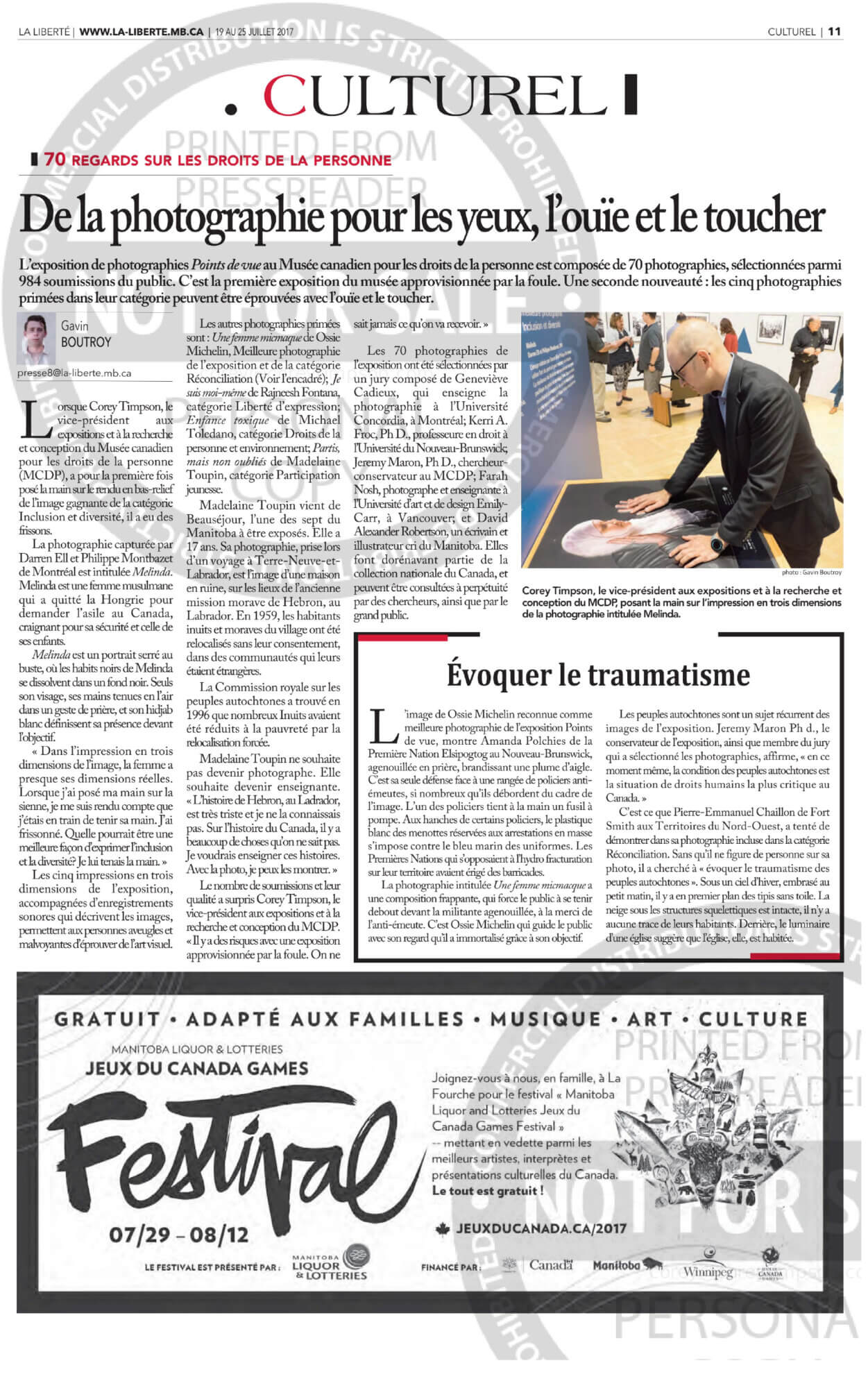
The winning photograph in the Inclusion and Diversity category shows a woman dressed in black against a black background. She wears a white hijab and holds her hands out in prayer. Before making the tactile version, the team spoke with both the photographer and the woman in the portrait. Visitors exploring the reproduction would be able to trace the contours of her body, and the team wanted to know how she felt about sharing her likeness in that way. She welcomed the idea and was enthusiastic about giving visitors access to her portrait through touch.
It was only when the team was prototyping the nearly life-size portrait and authoring the guided tactile description for it that they understood what its scale made possible. A visitor exploring the image by touch could reach the woman’s outstretched hands and find themselves holding hers.
At a time of heightened racial and ethnic tensions, the story of that intimate gesture traveled far beyond the gallery. The museum had no budget to promote Points of View and had counted on word of mouth from the call for entries, yet the exhibition went on to receive earned media coverage valued at an estimated $8 million!
Concluding Thoughts
The open call gave photographers across Canada a voice in what the museum would preserve, and the conversation about the portrait brought the woman in front of the camera into the decision about how her likeness would be shared. What has stayed with us at PAC is how much we learned about the photograph ourselves by making it accessible in a way she welcomed. We knew a visitor could trace the shape of her hands, but it took having the finished portrait in front of us to appreciate what it might feel like to reach for them. Her gesture of prayer had been there in the photograph all along, and now a visitor could meet it with a gesture of their own.