
Re-imagined The Fisher Collection at 10
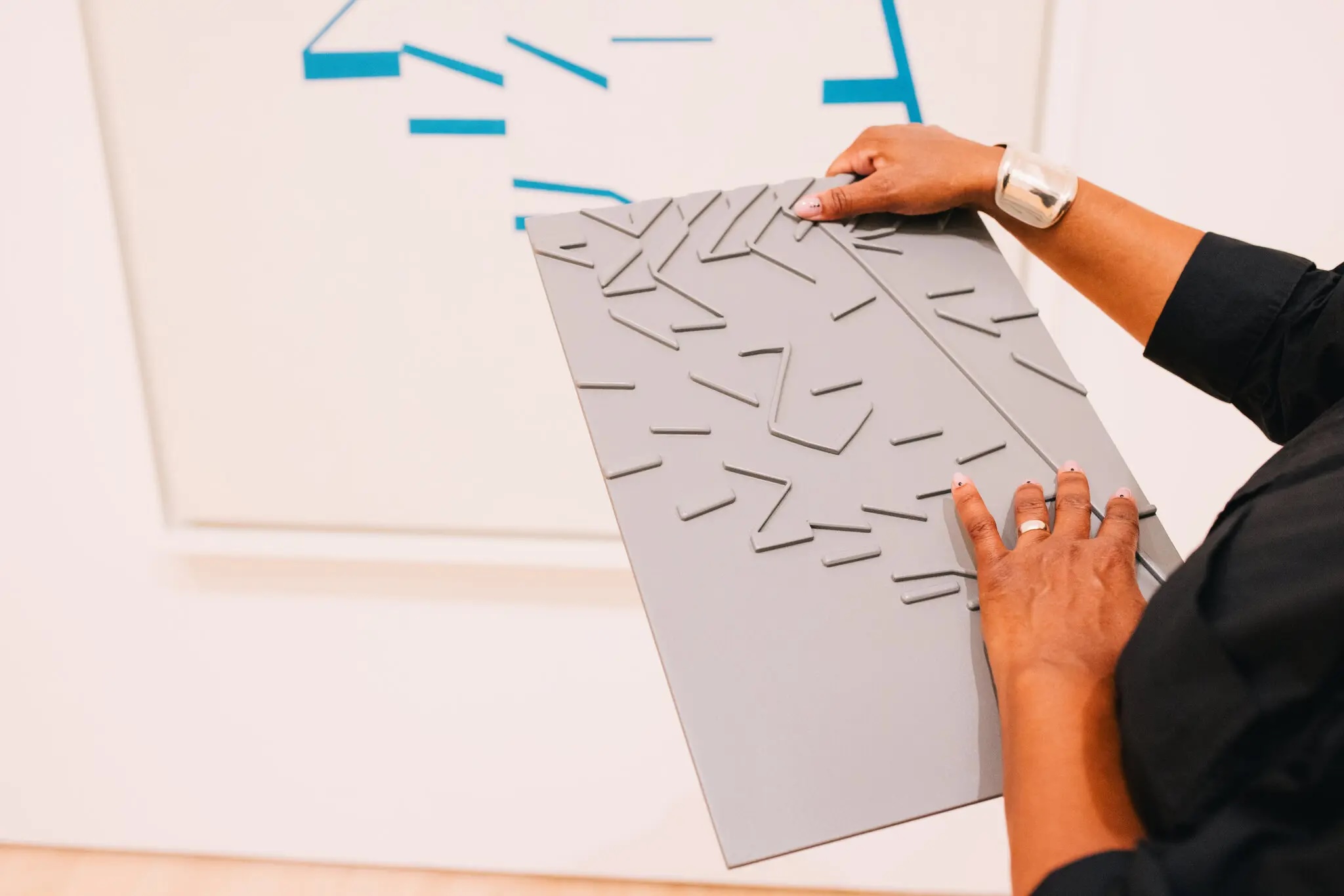
PAC worked with the San Francisco Museum of Modern Art on Reimagined The Fisher Collection at 10, creating an integrated access system with tactile wayfinding, descriptions for every artwork, captions and transcripts for all media, and an accessible exhibition microsite.
Media
Project Description
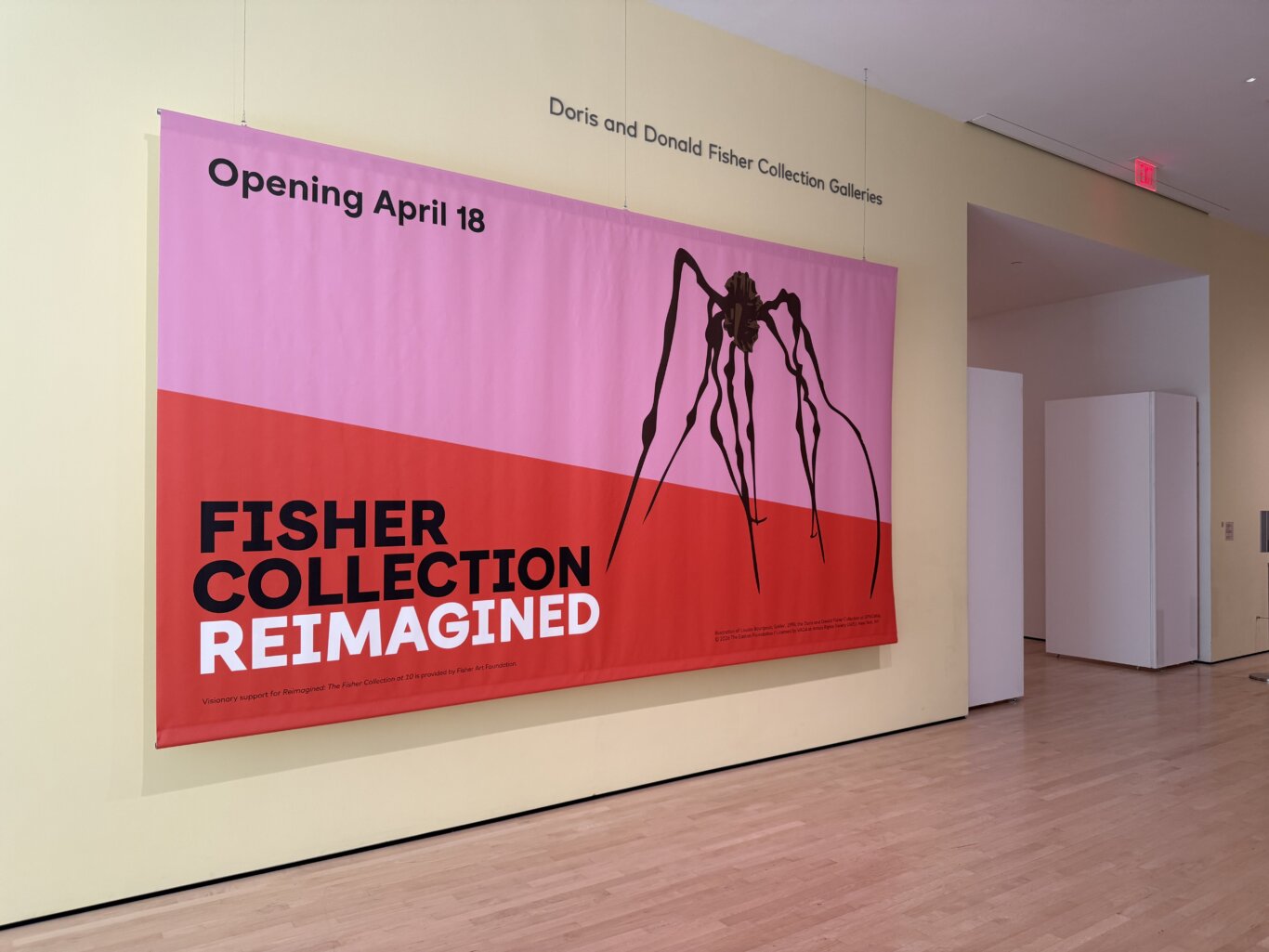
Large-scale exhibition reinstallations are rare opportunities. When a museum takes on a project to reinstall and reinterpret nearly 250 artworks, some on public display for the first time, there is a chance to do more than rehang the work. There is a chance to rethink how people encounter it.
When the San Francisco Museum of Modern Art reimagined its 100-year loan agreement with the Fisher Collection, the reinstallation spanned three full floors and an additional gallery, featuring prominent modern artists including Roy Lichtenstein, Alexander Calder, and Andy Warhol. The exhibition also served as a pilot for interpretive approaches new to SFMOMA, including additional audio-visual content situating works within broader historical and social narratives, family-focused labels, and hands-on learning spaces.
The ambition was not just to create a stronger exhibition. It was to welcome more audiences into the galleries.
SFMOMA engaged Prime Access Consulting (PAC) as part of an ongoing and growing relationship, bringing PAC in to help make that ambition real for disabled visitors. PAC worked across multiple SFMOMA departments, including Interpretive Media, Exhibitions and Design, Web and Digital, Curatorial, Operations and Installation, and Visitor Services, to build a coherent, interconnected system of access and inclusion rather than a set of isolated accommodations.
That system takes shape across four core areas:
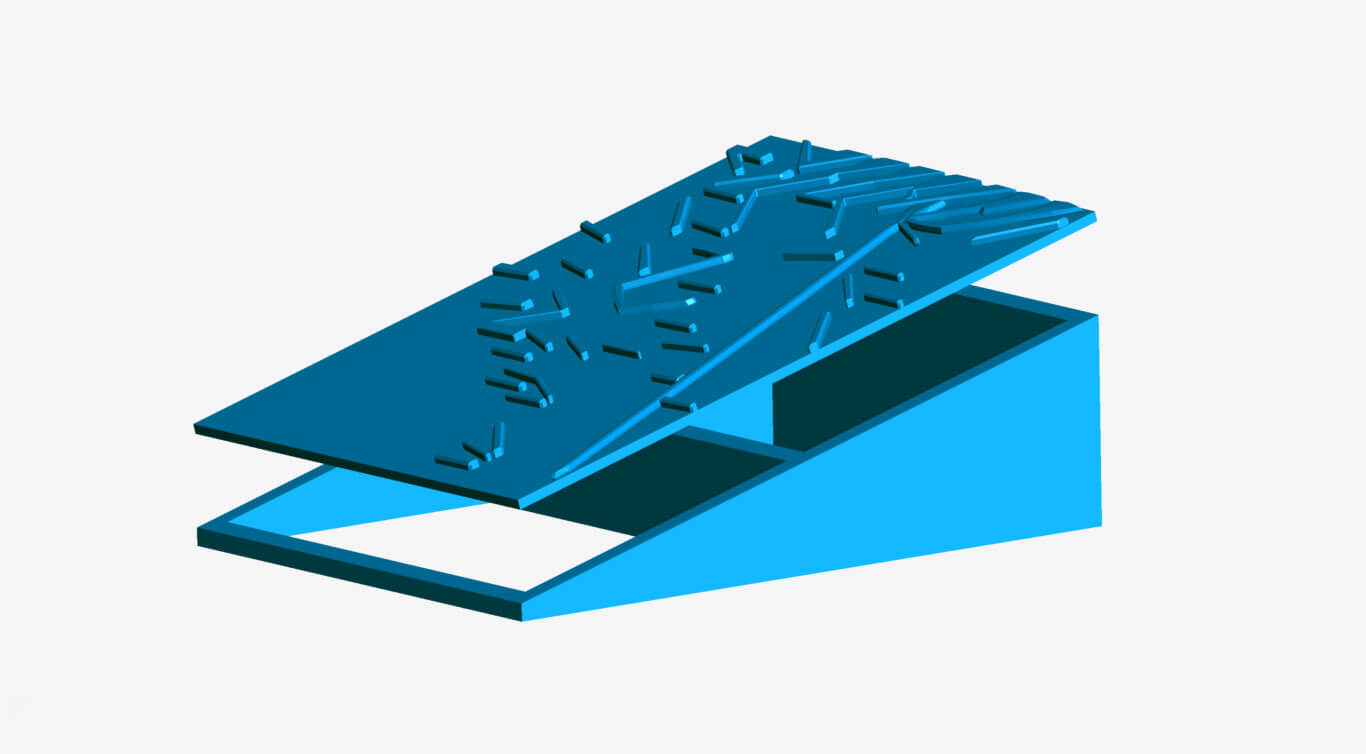
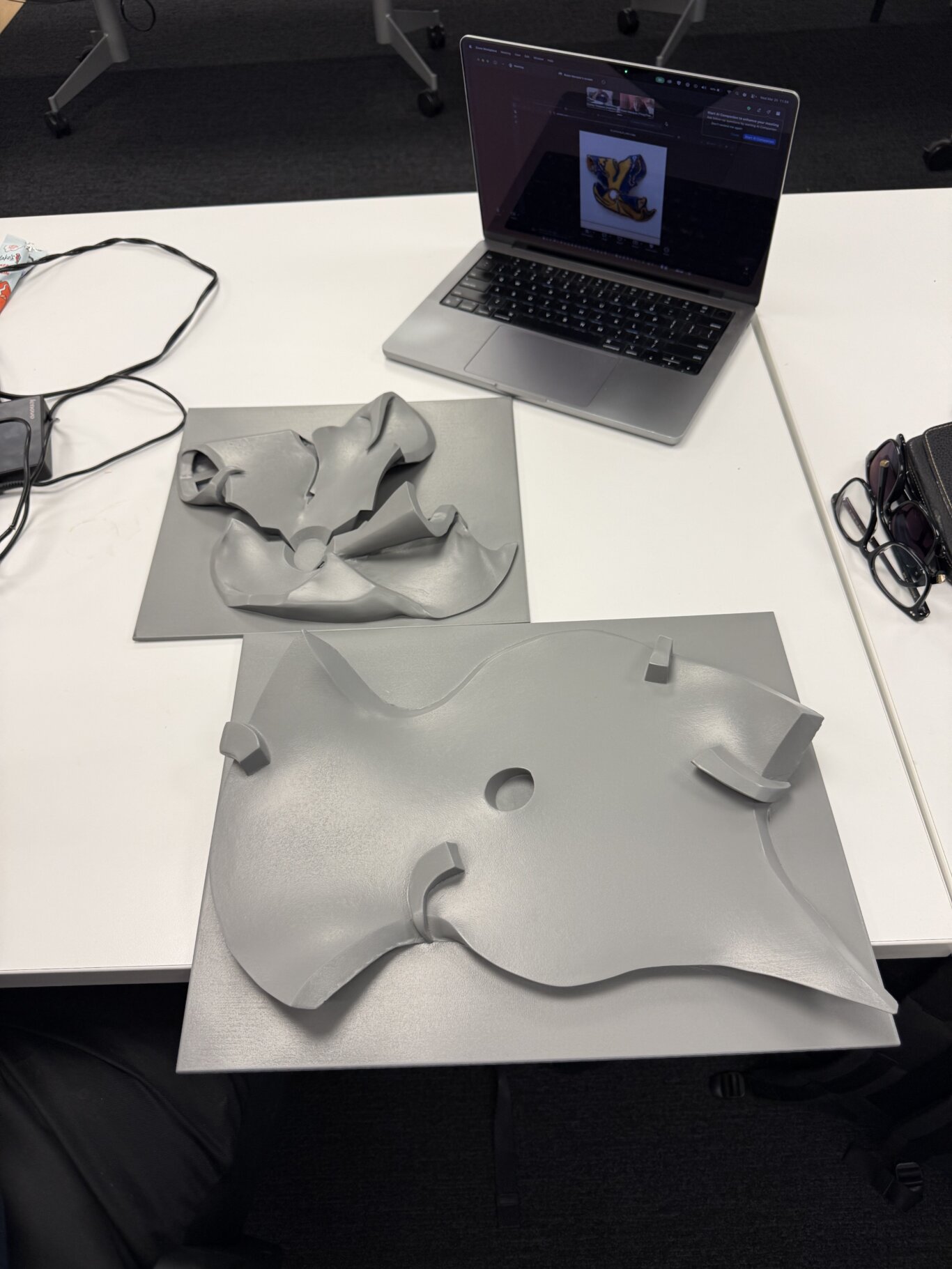
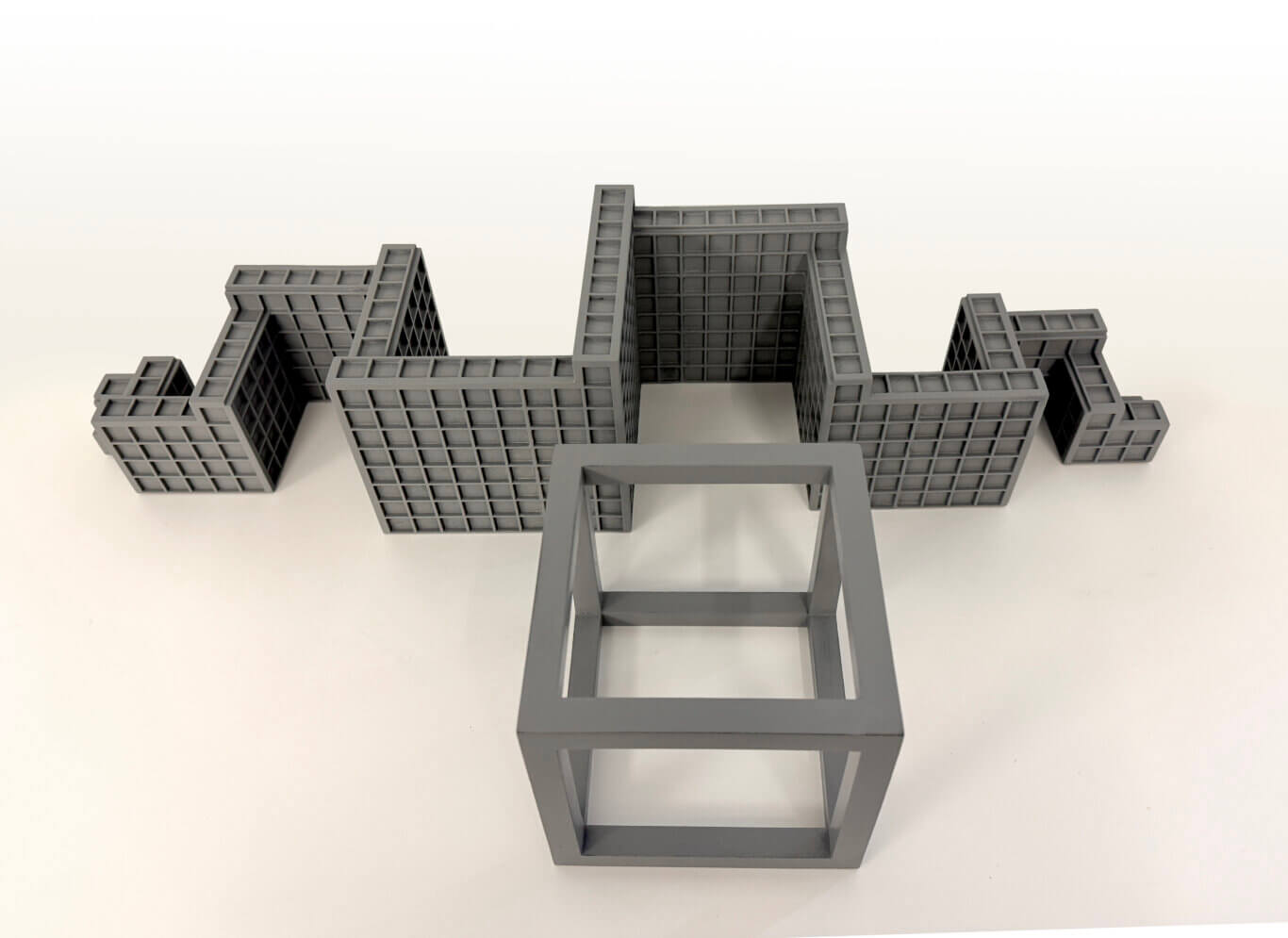
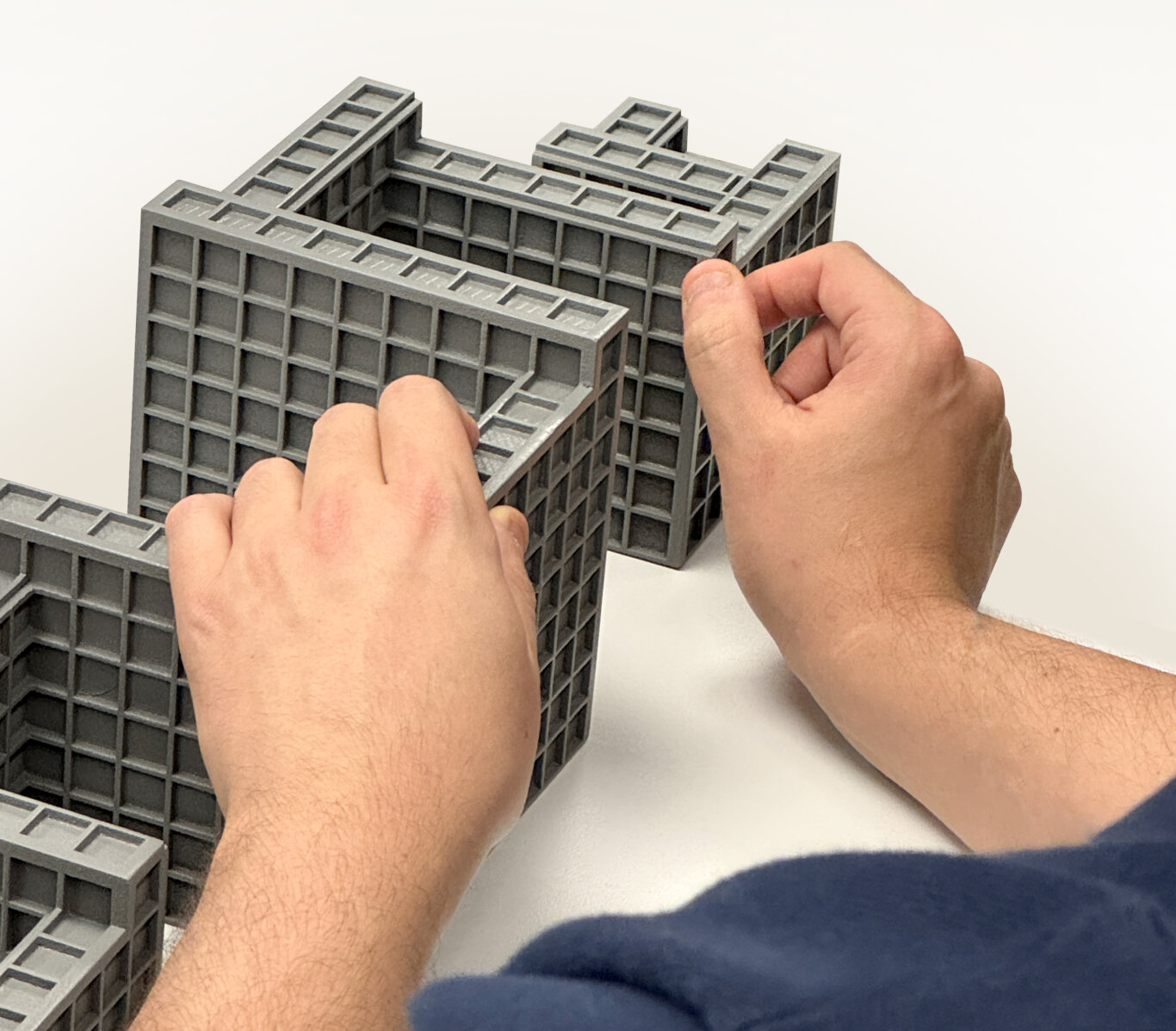
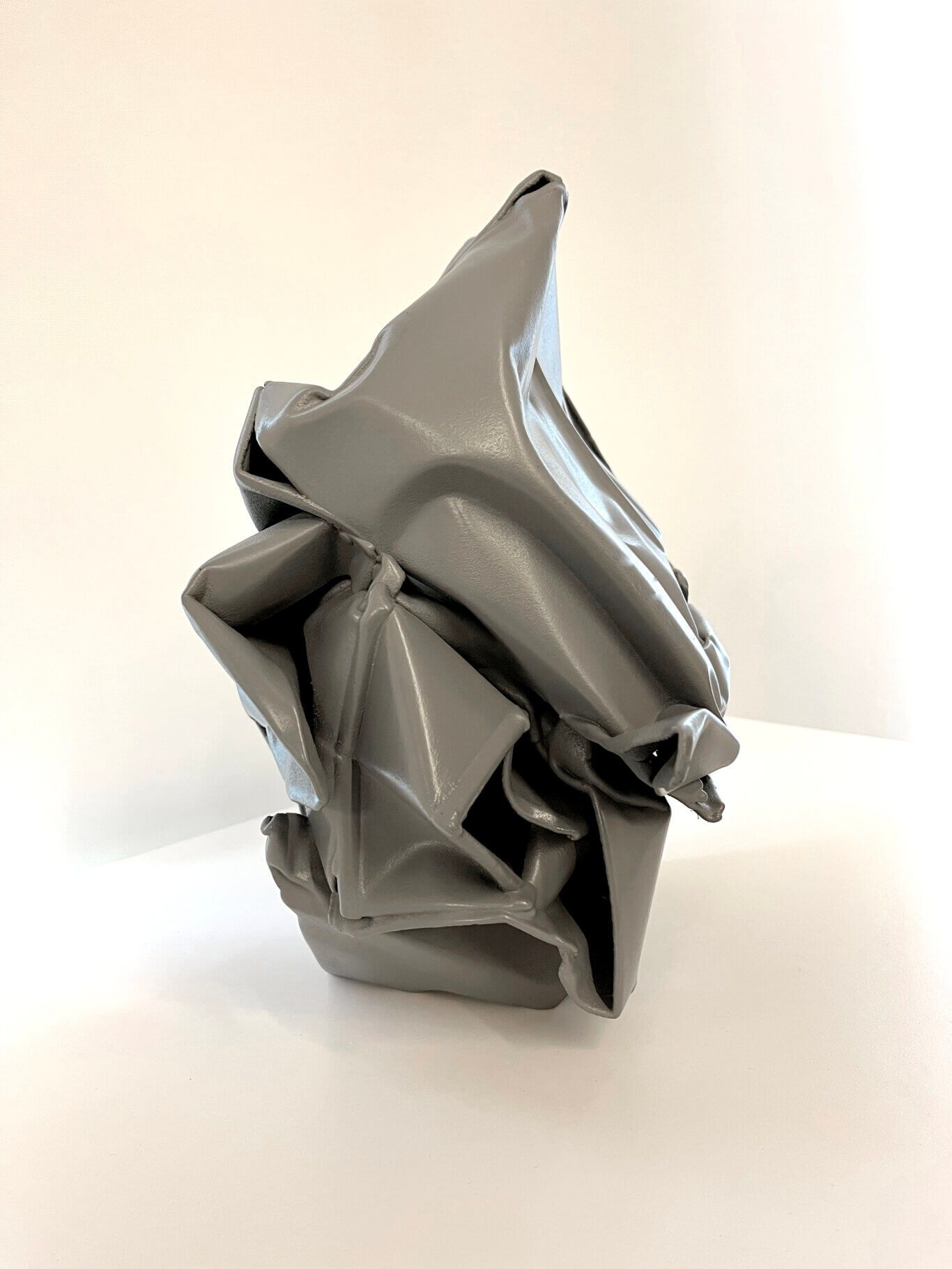
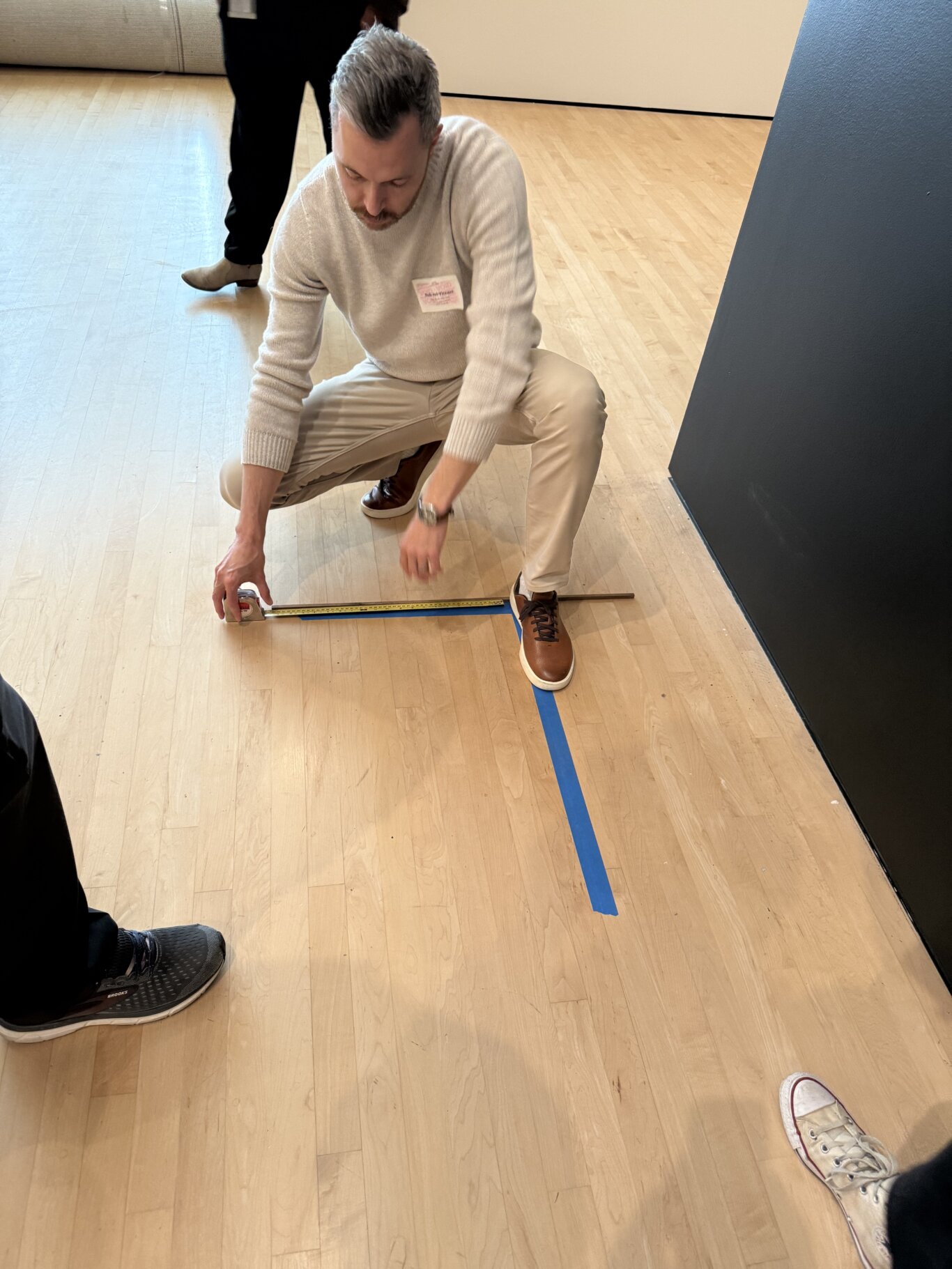
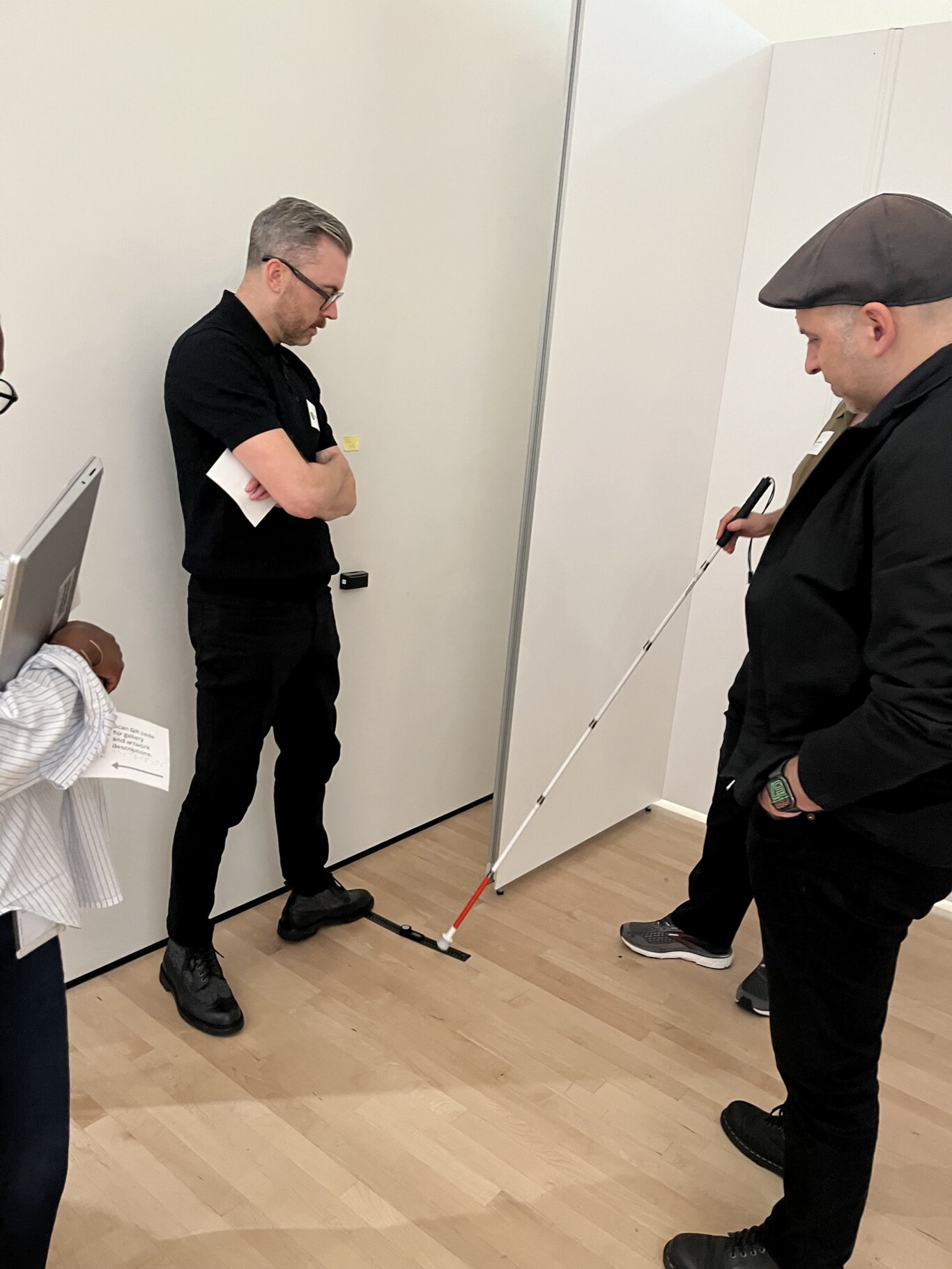
- Tactile wayfinding: a tactile wayfinding system combining tactile maps, floor indicators, tactile QR codes, Braille labels, and touch objects for select artworks to promote independent tactile orientation and navigation throughout the exhibition.
- Descriptive content: a comprehensive descriptive content program, including gallery overviews, visual descriptions of every artwork and its supporting images, guided tactile descriptions for all tactile maps and touch objects, and sound descriptions of audio-based artworks.
- Captions and transcripts: captions and transcripts for every piece of interpretive media.
- Accessible digital access: a fully accessible microsite that brings together all exhibition text, descriptive content, and media assets, so the exhibition can be experienced through a visitor’s personal device.
Tactile Wayfinding
The tactile wayfinding system supports orientation, navigation, and discovery throughout the exhibition. Rather than treating tactile access as a single object or a single station, PAC and SFMOMA develop a connected system that includes tactile maps, floor indicators, tactile QR codes, Braille labels, and touch objects for select artworks. Together, these elements help visitors understand where they are, what is nearby, how the galleries relate to one another, and how to locate additional accessible content.
Descriptive Content
The descriptive content program expands the exhibition beyond what can be communicated through visual display alone. PAC developed gallery overviews, visual descriptions for every artwork and its supporting images, guided tactile descriptions for tactile maps and touch objects, and sound descriptions for audio-based artworks. This makes description a core part of the interpretive experience, not an occasional supplement. It also creates a more consistent standard across the exhibition, allowing visitors to move through the galleries with access to detailed, structured information about the works, spaces, and media around them.
Captions and Transcripts
Every piece of interpretive media is captioned and transcribed so that time-based content can be accessed in multiple ways. This includes audio-visual materials created to place artworks within broader historical and social narratives. Captions and transcripts support visitors who are Deaf or hard of hearing, visitors who prefer to read, visitors using the exhibition in a noisy gallery environment, and anyone who wants to revisit or search the content later. This work also helps ensure that media access is treated as part of the exhibition’s interpretive infrastructure.
Accessible Digital Access
The accessible microsite brings the exhibition’s text, descriptions, transcripts, and media assets into one place. By making the content available through a visitor’s personal device, the microsite connects the physical gallery experience with a flexible digital layer. Visitors can access descriptions, guided tactile content, captions, transcripts, and related interpretive material in a format designed to work with access technology and personal browsing preferences. This makes the exhibition more navigable, more reviewable, and more usable before, during, and after a visit.
Concluding Thoughts
The scope of this work reflects how the partnership between PAC and SFMOMA continues to mature. In a prior exhibition we worked on together, roughly a quarter of the artworks had descriptions. In this one, every artwork is described. PAC’s continued involvement pushes that standard higher and helps SFMOMA build the internal fluency to sustain it. Each project adds to a shared body of knowledge, making the next one more ambitious and more inclusive.
The Fisher Collection reinstallation shows what access looks like when it is planned from the start and built into the exhibition’s architecture. It is also a marker of what becomes possible when a museum and its partners keep raising the bar.