
Mandela
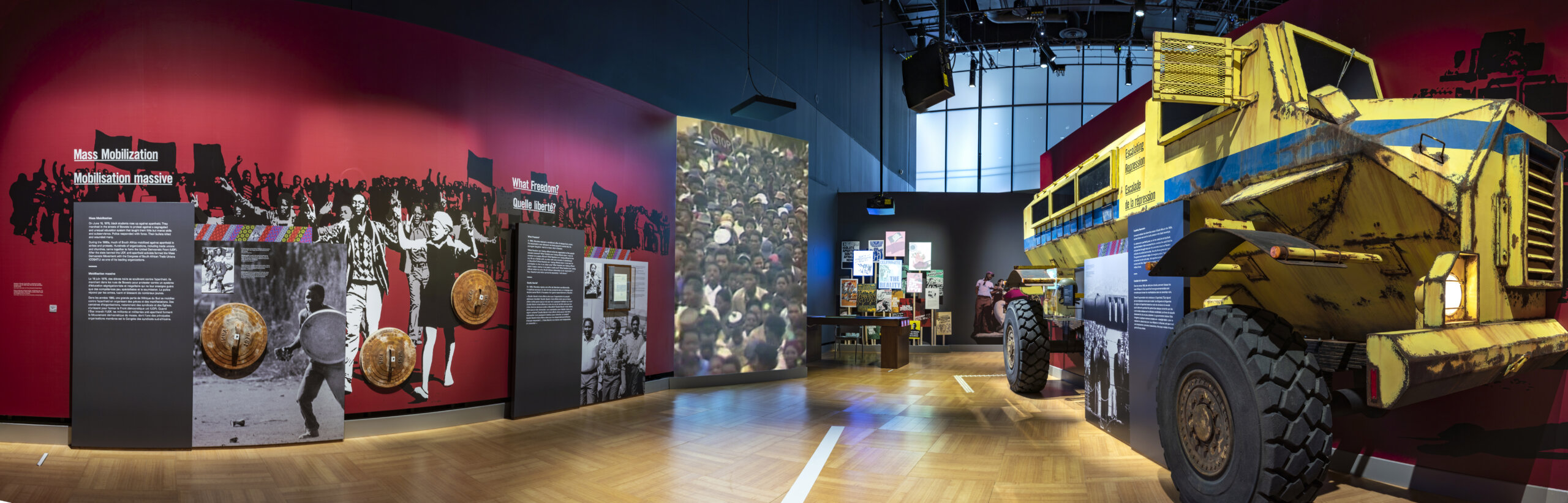
For the Canadian Museum for Human Rights, PAC Principal Corey Timpson directed and produced Mandela: Struggle for Freedom, a bilingual touring exhibition with immersive, interactive, and fully accessible media exploring Nelson Mandela’s life, the anti-Apartheid movement, and his legacy.
Media
Project Description
Mandela: Struggle for Freedom is a touring exhibition created by, and first presented at, the Canadian Museum for Human Rights. It was the last project Corey Timpson, one of PAC’s two Principals, directed and produced before fully leaving the human rights museum to partner with Sina Bahram at PAC.
In addition to Corey’s role as project authority, director, and producer, the work drew on the inclusive design approach that Corey and Sina had developed through earlier projects and that would become central to PAC’s practice. The broader project scope included interpretation, creative direction, design development across the built environment, design and production of navigable and time-based media, exhibition fabrication and installation, artefact loans, copyright, image and asset production, strategic partnerships, and exhibition activation.
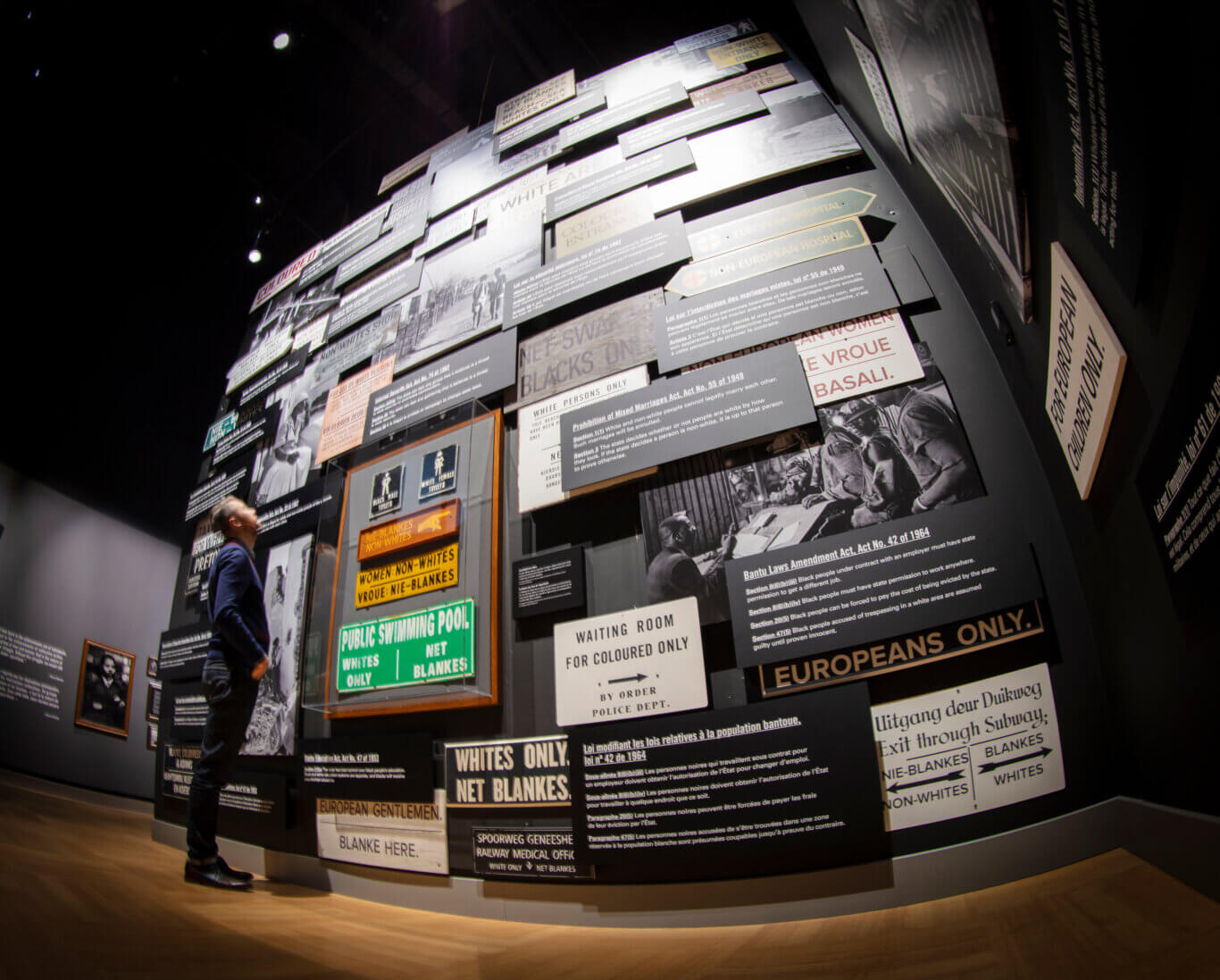
This bilingual exhibition, presented in English and French, explores Nelson Mandela and the movement of which he was a part, and which eventually swelled around him. It traces Mandela’s history from lawyer, to activist, to prisoner for 27 years, to the leader who helped usher in the end of Apartheid, while also reflecting on his legacy.
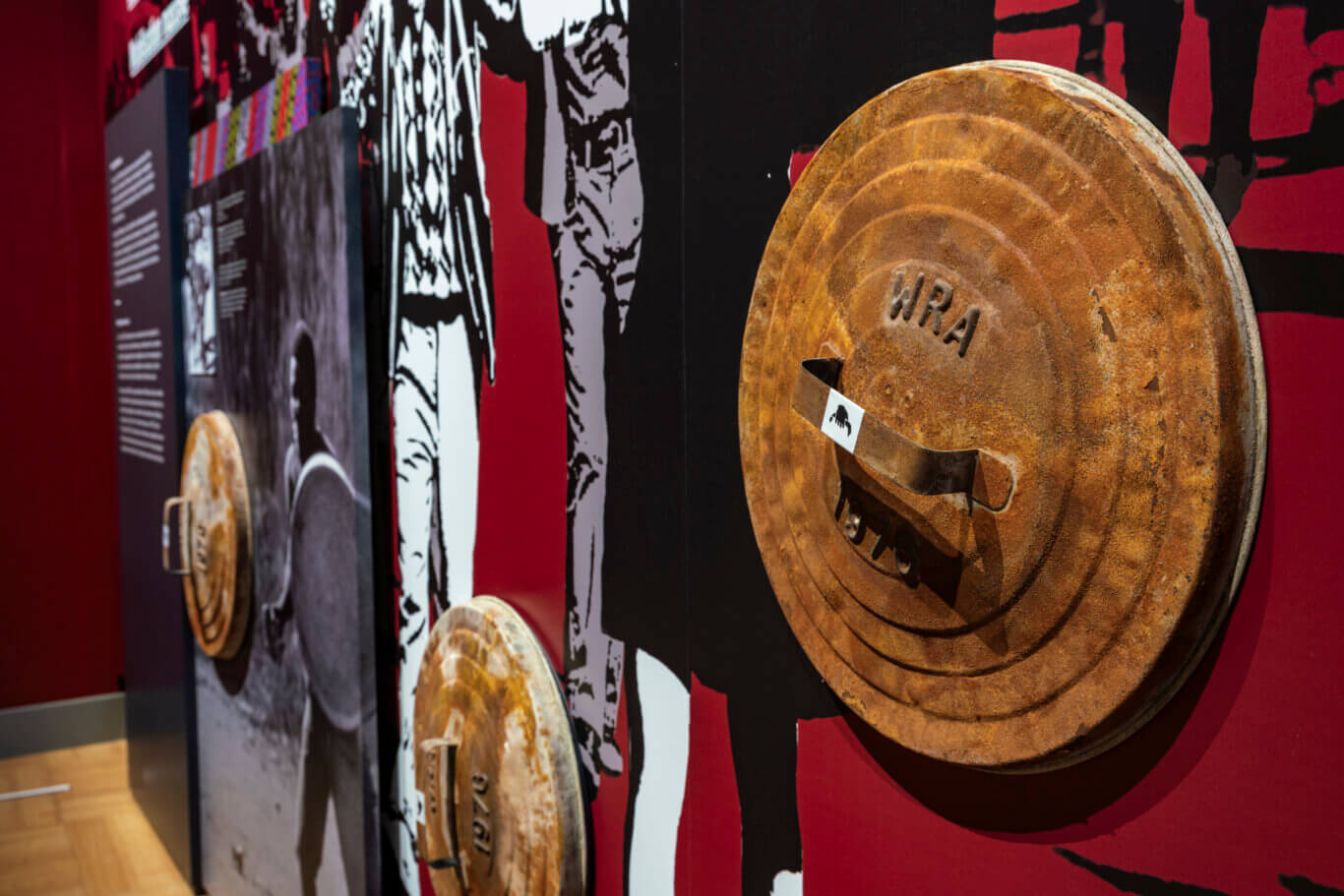
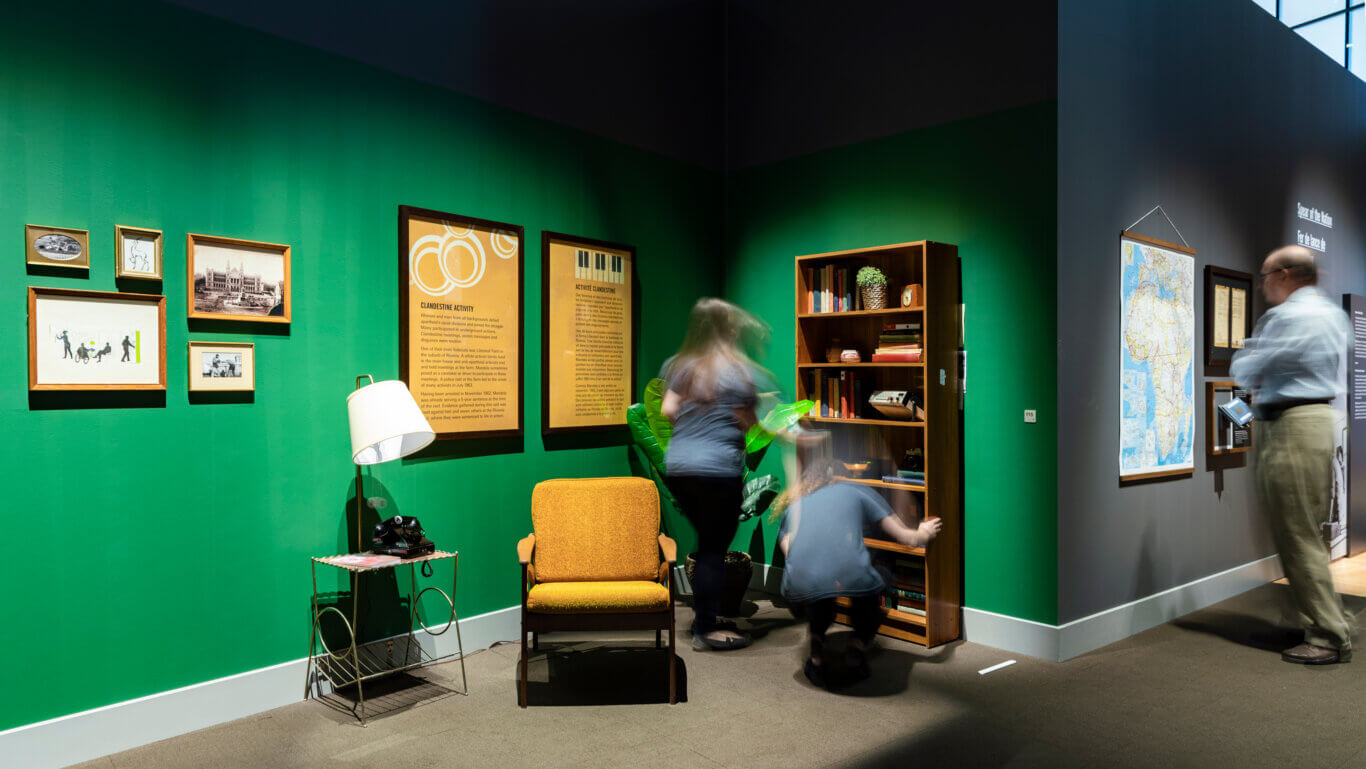
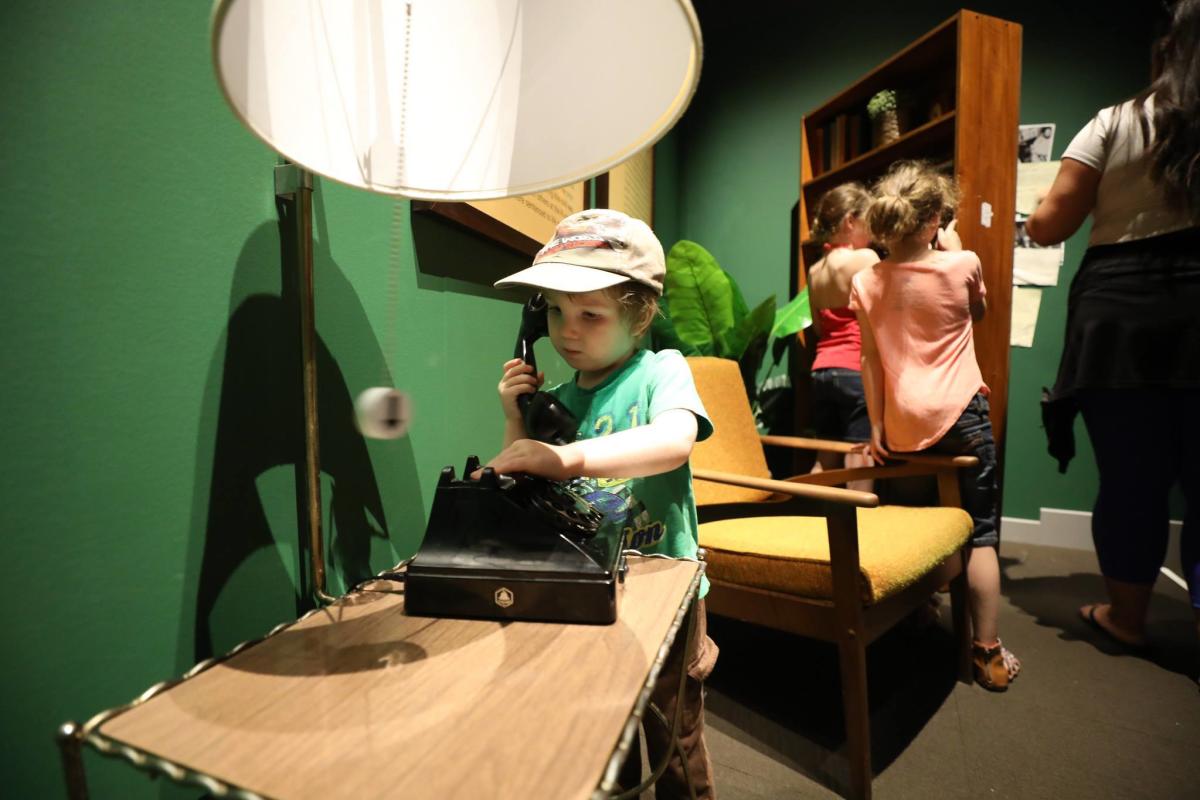
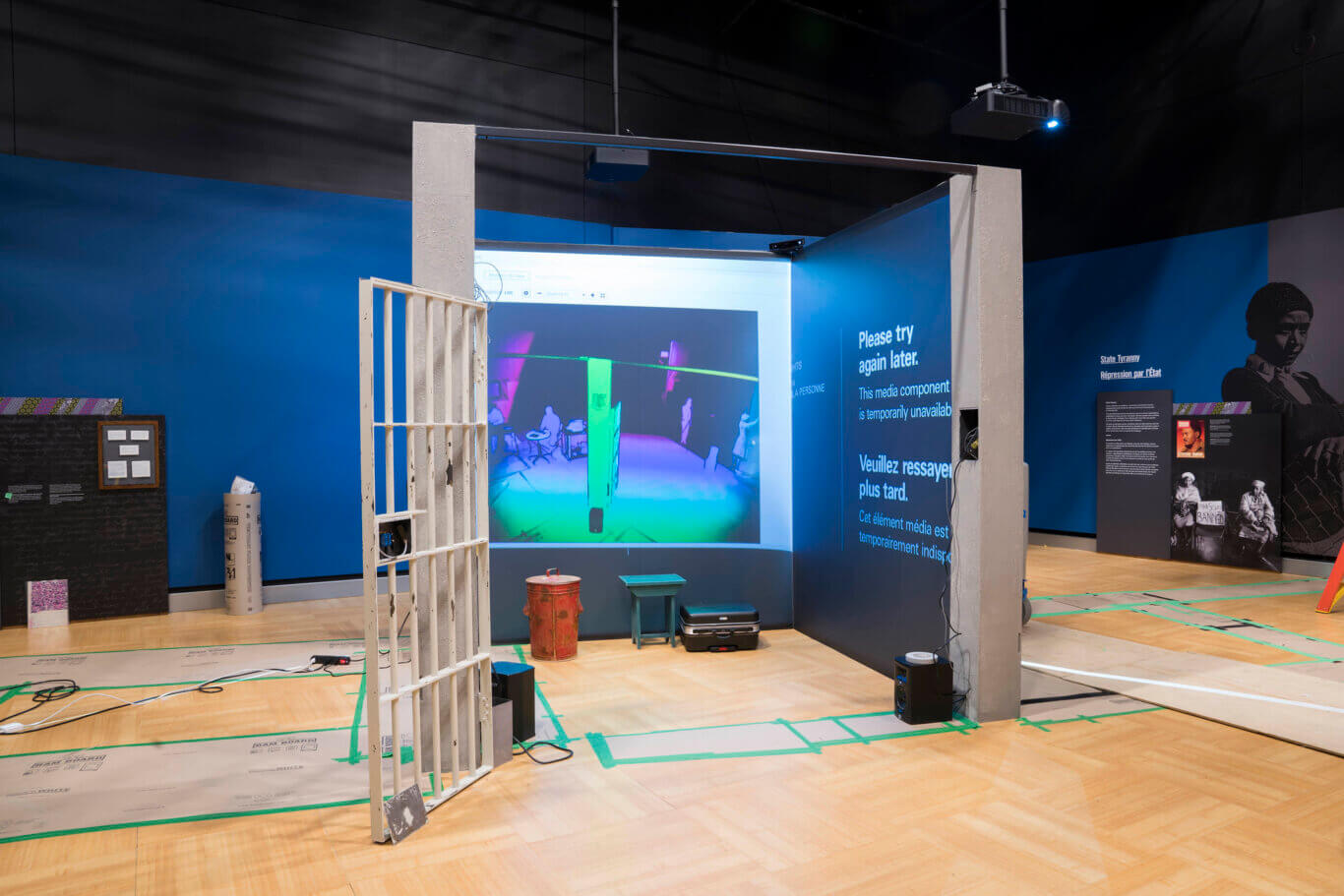
Key installations included a mixed-media immersive prison cell; a full-scale, touchable Casspir tank like those used during the Soweto uprising juxtaposed with garbage can lids created to be similar to those used by the students in the uprising that could be removed from the scenography and held; a protest poster-making and sharing activity; a hidden puzzle and cloak-and-dagger living room recreation based on the farm where Mandela was smuggled for safety; a set recreation from his 1961 secret-location interview; and many other immersive, interactive, and media-rich experiences.
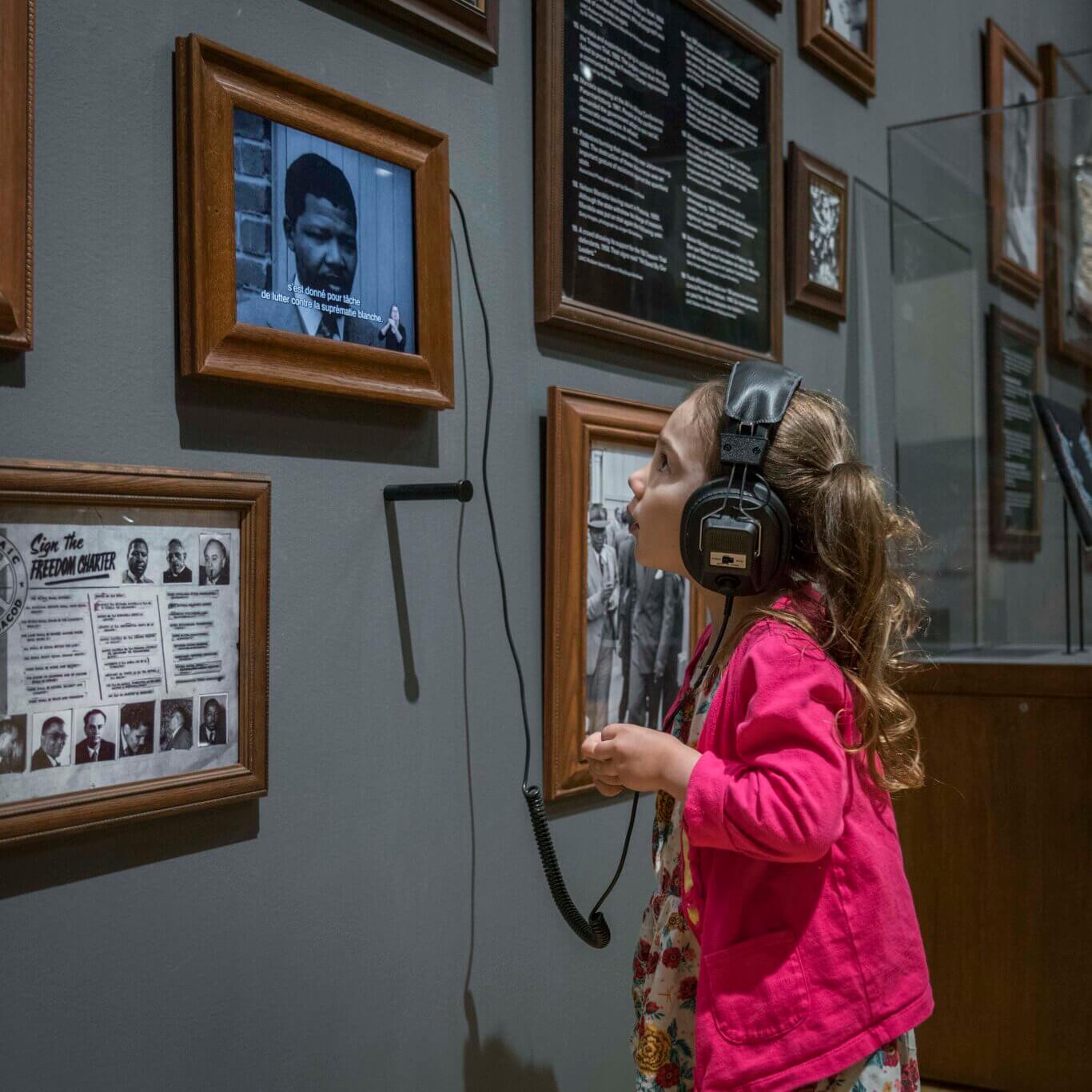
Inclusive design was central to the design and development of the exhibition. All navigable media was made accessible. All time-based media included signed interpretation, captions, and audio description in both English and French. Accessible environmental design supported comfortable navigation, focused lighting, clear edge and object detection, and high-contrast artefact presentation. Inclusive graphic design was a prerequisite for all design work, with emphasis on accessible typography, size-to-distance ratios, and high-contrast color combinations.
Forward access was provided at interactive installations. Tactile elements were incorporated throughout the exhibition. Universal Access Points (UAPs) provided access to all exhibition text through screen readers, along with image and artefact descriptions. A tactile floor vocabulary supported multimodal wayfinding, and accessible seating was included throughout the experience.
Self Expression for All
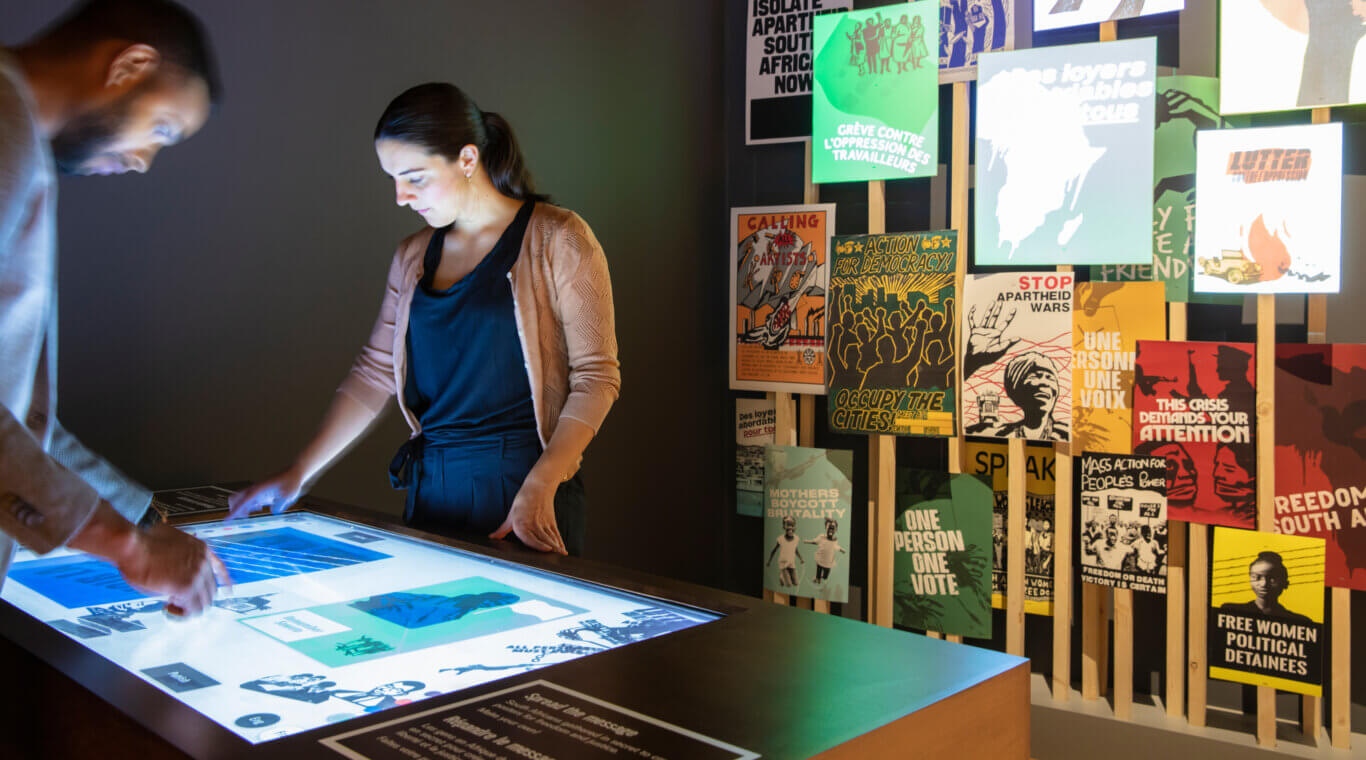
One of the exhibition’s signature installations was the poster-making activity, Posters for Freedom. During the Soweto uprising, Black school children demonstrated and protested the introduction of Afrikaans, widely understood as “the language of the oppressor,” as the medium of instruction in Black schools. An estimated 20,000 students took part in the demonstrations. Equipped with protest signs and garbage can lids, they were met with the extreme brutality of a militarized police force. This became a defining moment in the anti-Apartheid movement.
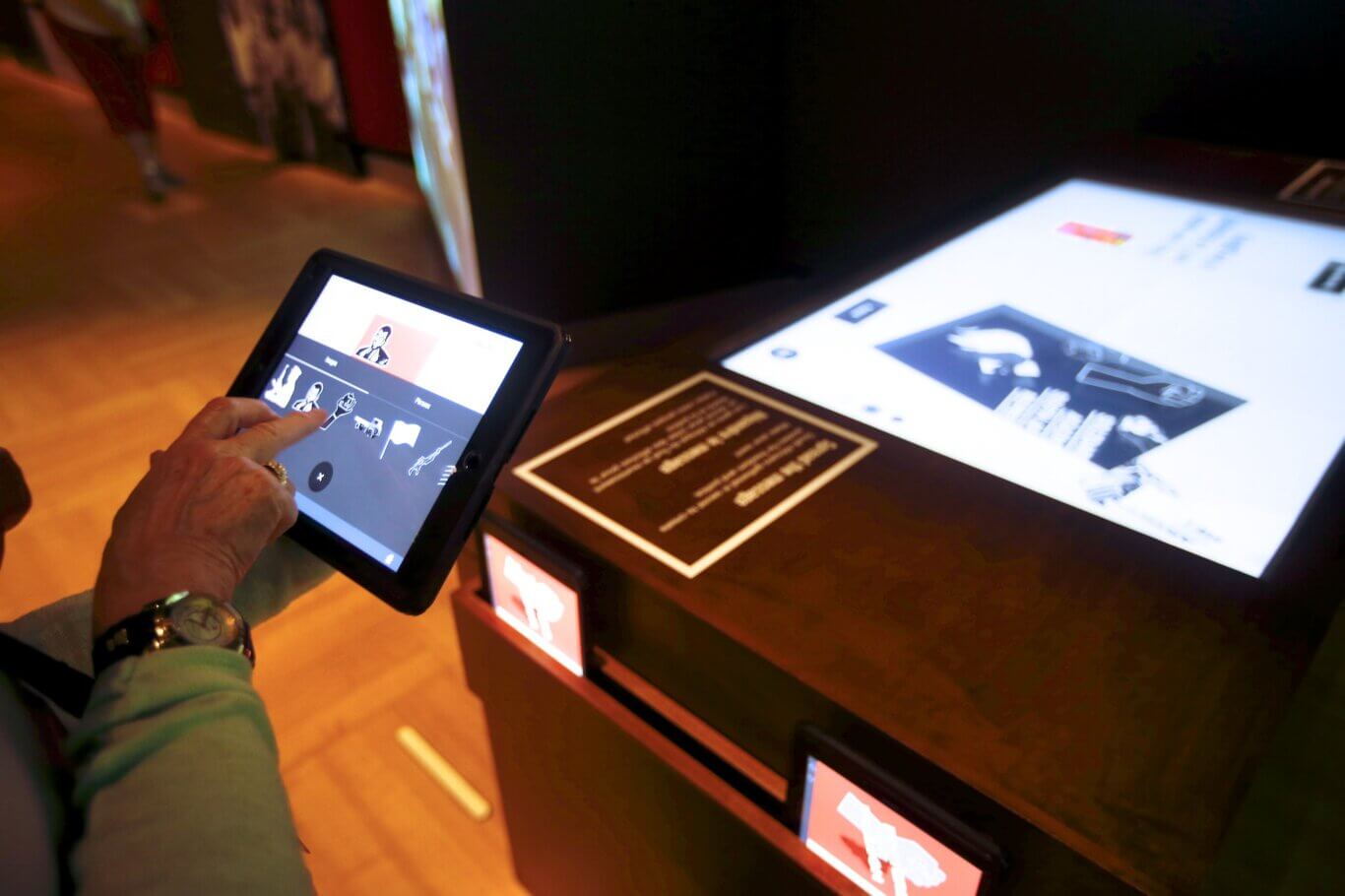
The exhibition responded to this history through an installation that invited visitors to create their own protest posters and share them both online and in the gallery. In the physical exhibition, visitor-created posters were projected into an installation of recreated protest signs, three of which were intentionally left blank to receive the projections.
The software installation was developed to be accessible, with all content in both French and English described, tagged, and surfaced through accessible interfaces. This meant that Anglophone and Francophone visitors could create posters concurrently, that blind and low vision visitors could participate equitably, and that people who might never come to the museum could participate remotely through the mobile website at PostersForFreedom.ca.
Recognition
Mandela: Struggle for Freedom was recognized as
- Best Exhibition Media or Experience by the GLAMi Awards
- International Design Award, Honorable Mention for Exhibition Design
- Core77 Interaction Design Award for the Posters for Freedom installation.
- ICE Awards – GOLD Digital, Mandela: Struggle for Freedom – 27 Minutes for 27 Years commercial
- ICE Awards – GOLD Non-traditional, Mandela: Struggle for Freedom – Cell Floor Decal
- Manitoba Tourism Awards – Marketing Excellence Award
- Mandela: Struggle for Freedom – 27 Minutes for 27 Years commercial