
Many Wests
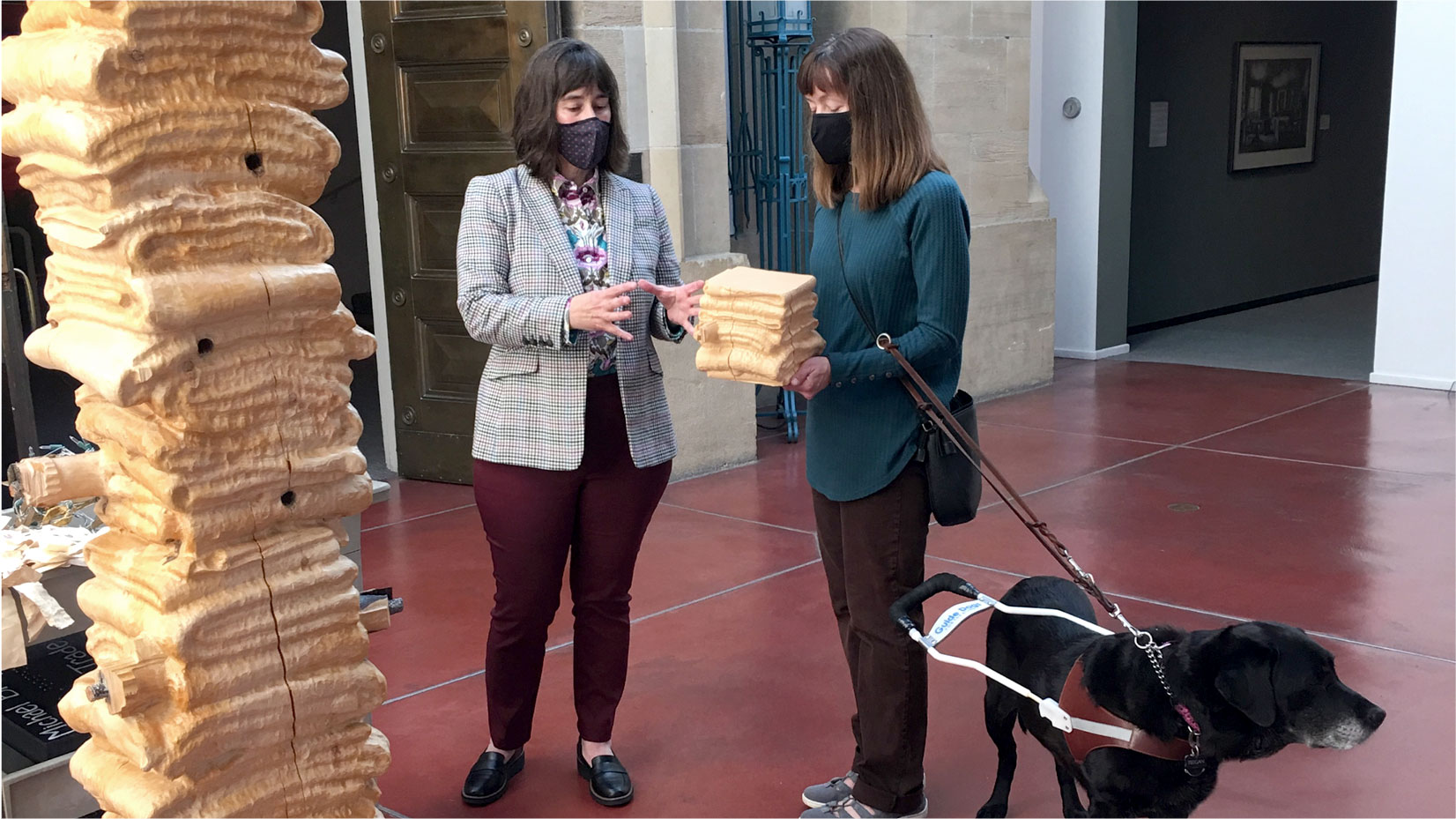
PAC and Boise Art Museum used an IMLS Museums Empowered grant to embed inclusive design into Many Wests: Artists Shape an American Idea—spanning galleries, graphics, and media—with visual descriptions, tactile access, ASL/captions, mobile interpretation, staff training, and an Inclusive Design Advisory Group, producing an accessible exhibition and institutional capacity.
Media
Project Description
When the Boise Art Museum (BAM) began preparing for Many Wests: Artists Shape an American Idea, the exhibition presented an opportunity to design an inclusive exhibition from the beginning. A mid-sized museum with fewer than 20 full-time staff and an annual operating budget of approximately $2 million, BAM and Prime Access Consulting (PAC) received an IMLS Museums Empowered grant to build its institutional capacity around inclusive design and accessibility. Many Wests became a proving ground for applying that learning across an entire exhibition.
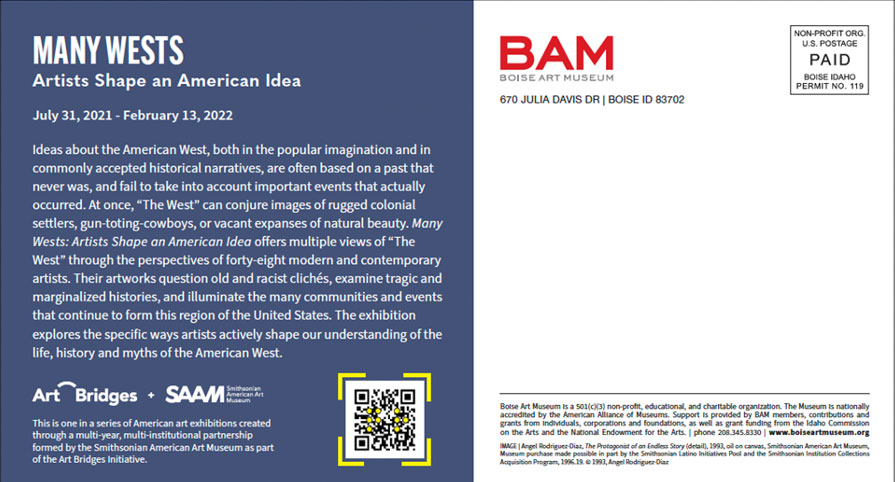
The exhibition itself was ambitious: 87 works by 48 modern and contemporary artists presented across eight galleries. Through paintings, sculpture, photography, video, and other media, the exhibition challenged entrenched and often racist clichés about the American West, brought marginalized histories forward, and explored the many communities that have shaped, and continue to shape, the region.
PAC worked with BAM to ask a parallel question of the exhibition experience: Who gets to participate in that story, and what needs to change for the widest possible audience to do so?
Rather than design the exhibition first and make it accessible afterward, PAC helped BAM apply inclusive design from the outset. The work moved across the full ecosystem of the visitor experience, from gallery layouts, artwork interpretation, and graphic design to digital media, visitor services, staff training, communications, and community engagement.
Building Capacity by Doing the Work
PAC’s work with BAM began with the premise that inclusive design and accessibility are a methodology, not a budget line. While some accessibility interventions require resources, many of the barriers visitors encounter are the result of decisions about workflows, priorities, design standards, and definitions of success. Addressing those decisions early is often considerably easier, and less expensive, than retrofitting an experience once it has been built.
Through staff workshops, hands-on activities, and ongoing consultation, PAC helped build inclusive design knowledge across the museum rather than concentrating responsibility within a single position or department. Staff became active participants in identifying barriers and developing solutions, building the institutional knowledge necessary to carry the work forward.
That internal capacity was paired with community expertise. BAM established an Inclusive Design Advisory Group (IDAG), bringing disabled people into the process to inform practices, test decisions, and share ownership of the work beyond the museum itself. The relationship was critical not only to Many Wests, but to creating a more sustainable approach to accessibility across the institution.
This combination, internal ownership and external lived expertise, allowed inclusive design to become an integral part of the exhibition design framework.
Designing the Whole Exhibition Ecosystem
PAC approached Many Wests as an interconnected experience. A visitor does not encounter accessibility through a single label or accommodation; they encounter it through the cumulative effect of the building, information systems, exhibition design, artworks, media, technology, staff interactions, and services.
That meant examining the galleries themselves. PAC and BAM considered circulation routes, the relationship between object size and viewing distance, lighting, edge detection, heights, reach ranges, and how visitors with various bodies and ways of perceiving space could independently move through eight galleries of two- and three-dimensional work.
Graphic design was treated with the same attention. Exhibition typography, color contrast, and label layouts were developed for legibility, while accessibility considerations extended into printed collateral and other communications. The goal was not to produce a separate accessible version of the exhibition, but to improve the primary experience.
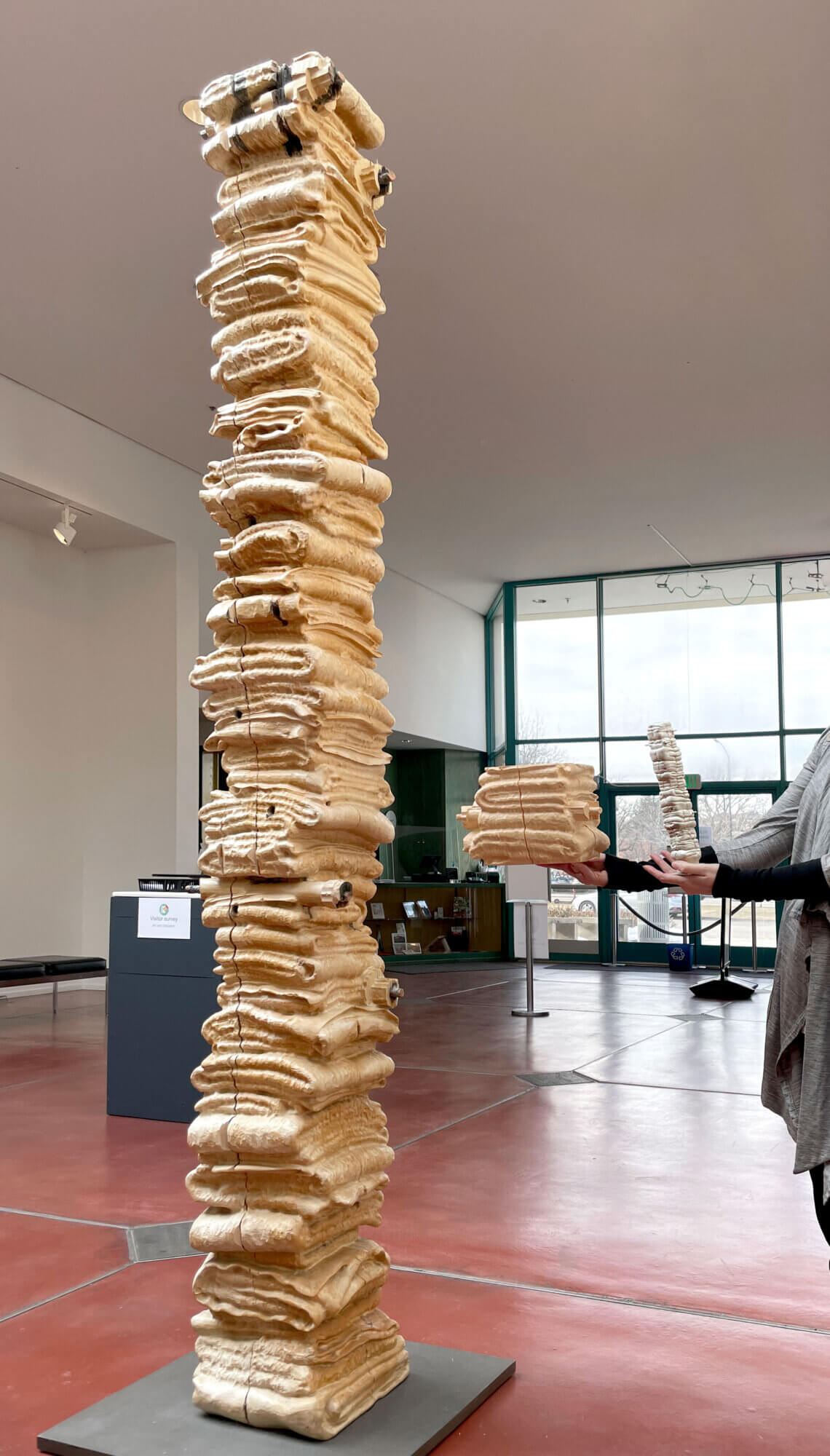
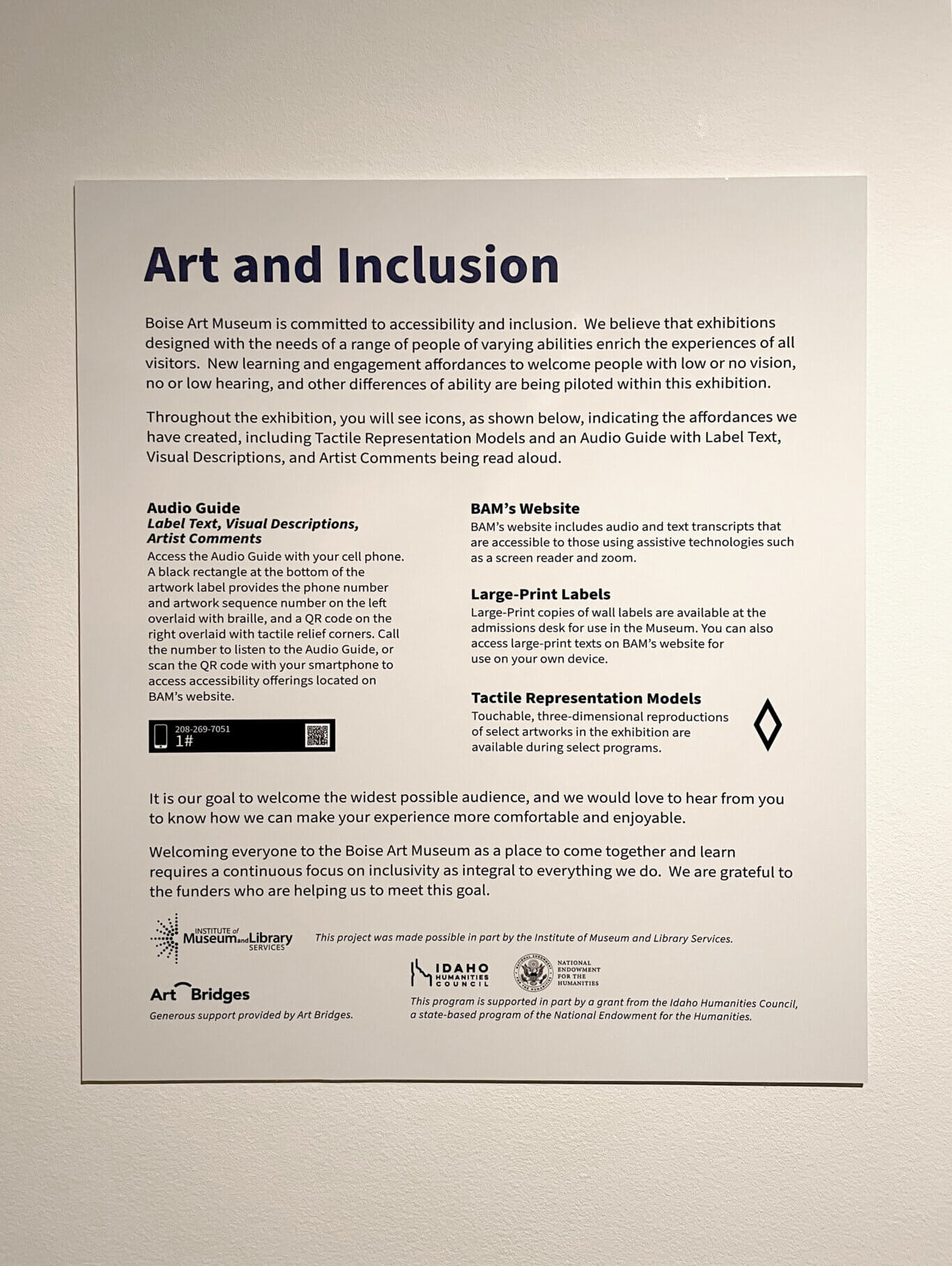
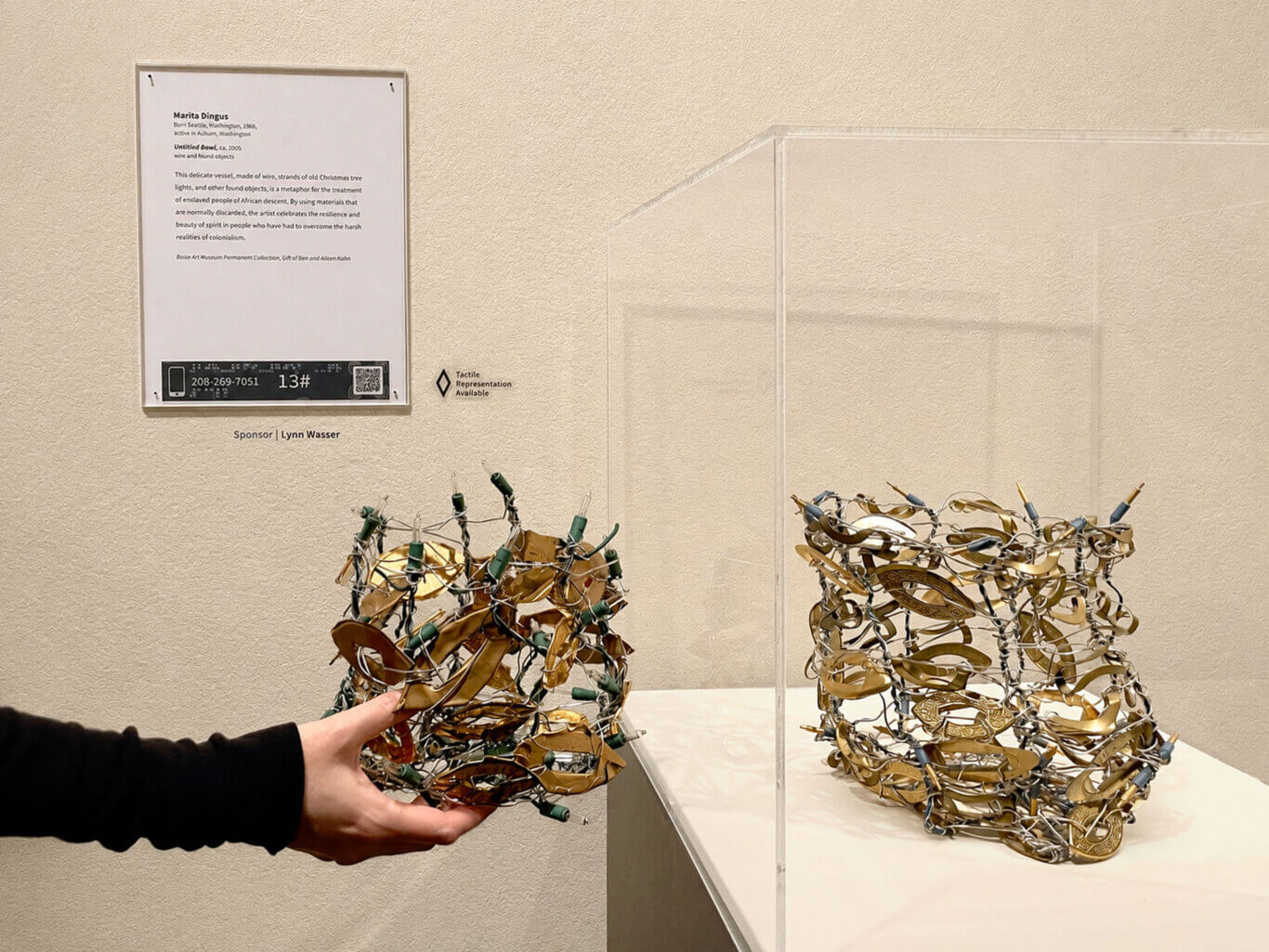
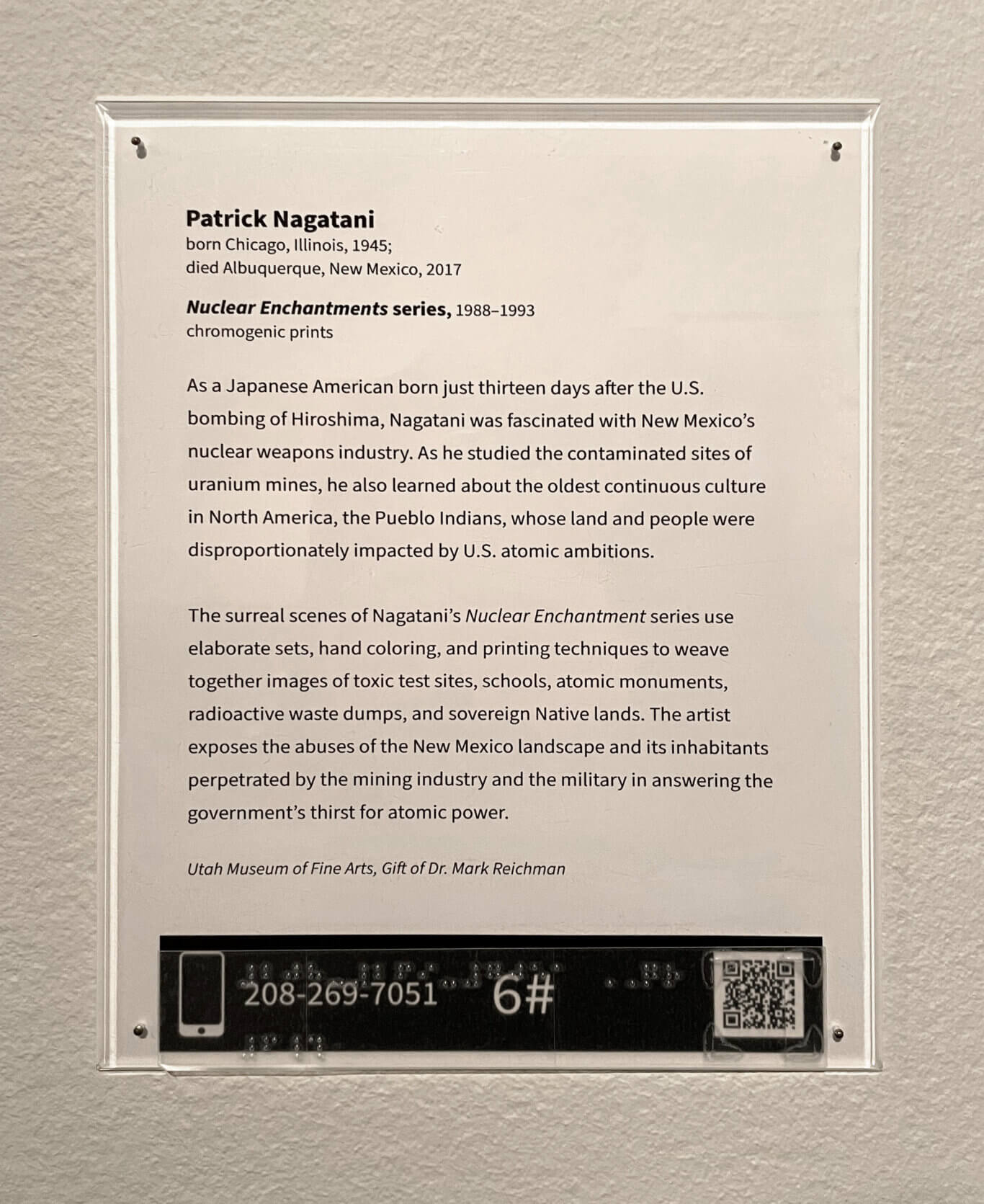
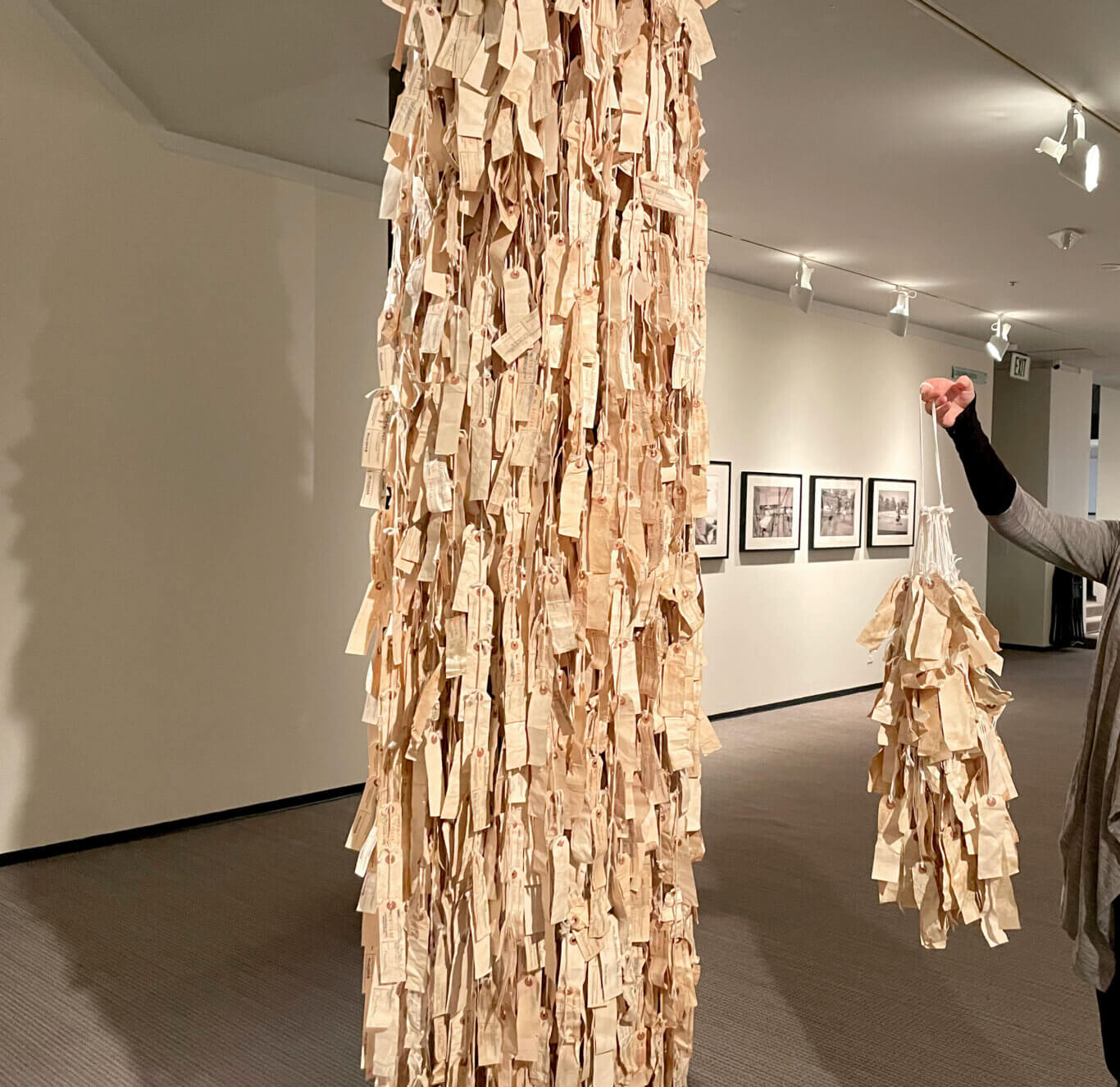
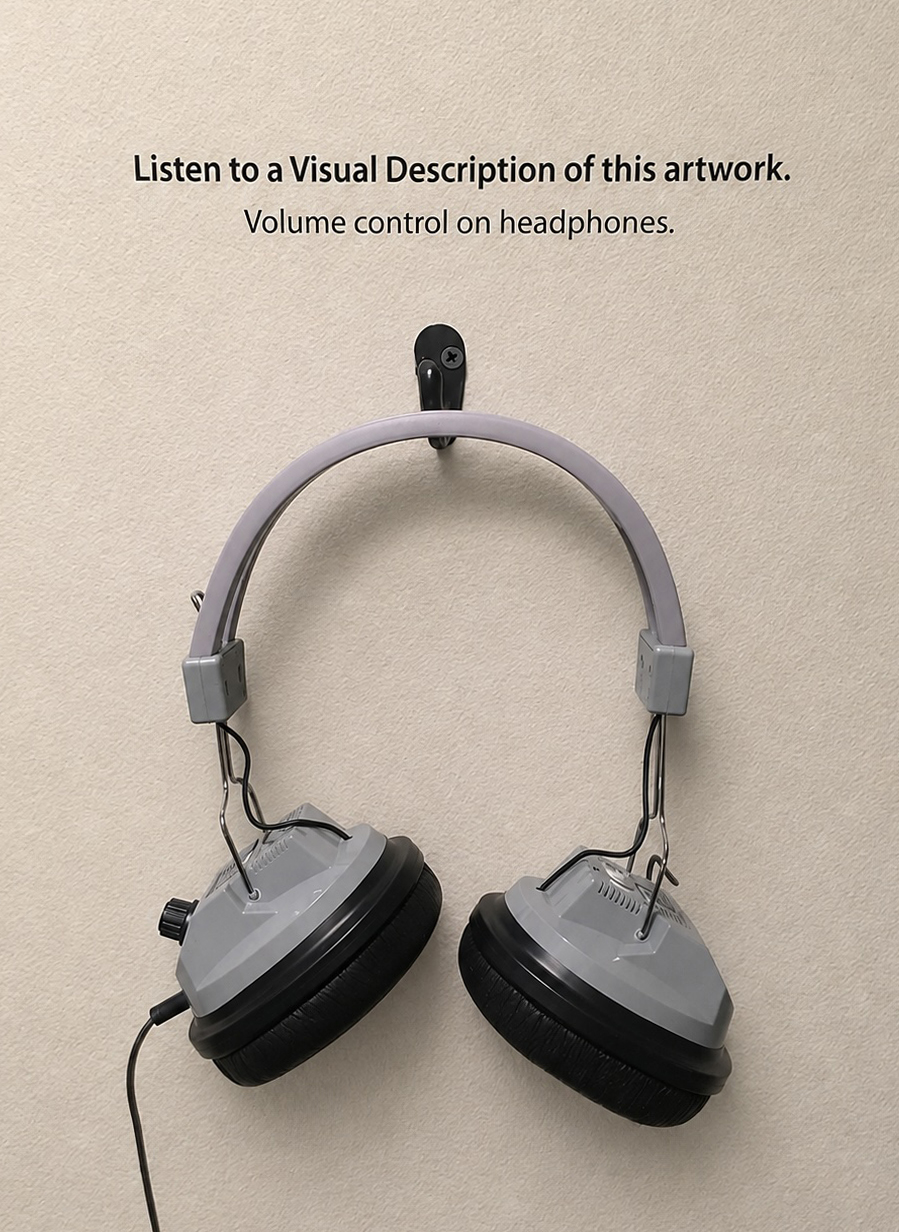
For blind and low vision visitors, PAC and BAM developed multiple ways of accessing artworks beyond sight. Visual descriptions translated essential visual information into language. Selected works were supported by touch objects, allowing visitors to explore form, composition, and spatial relationships through touch. Consistent iconography helped communicate where these opportunities were available.
Digital and audiovisual content expanded that multimodal approach. Captioning, audio description, ASL, volume controls, mobile screen-reader compatibility, and phone-based interpretive content addressed different ways visitors receive and interact with information. Rather than assuming one solution could meet every need, the exhibition offered overlapping ways into the same content.
Access Begins Before the Gallery
An inclusively designed exhibition means little if visitors cannot determine whether the museum will work for them before they arrive, or if their first interaction at the door undermines the experience that follows.
PAC therefore worked with BAM beyond exhibition design itself. Visitor services considered the information, accommodations, and interpersonal service visitors would encounter throughout their visit. Staff training helped connect the physical and digital affordances being developed to the people responsible for welcoming and supporting visitors.
Communications and promotion were similarly part of the inclusive design process. BAM worked with local communities and considered accessibility across print and digital distribution, helping audiences understand what the exhibition offered before deciding to visit.
This was particularly important for disabled communities who’ve been historically excluded by cultural institutions. Accessibility cannot be reduced to making something usable once someone arrives. Museums must also build the relationships and trust that make people want to come in the first place.
An Exhibition as Institutional Change
By the opening of Many Wests, inclusive design was woven across nearly every dimension of the visitor experience: visual descriptions and tactile access to collections; improvements to lighting, circulation, height, and reach; higher-contrast and more legible graphic design; ASL, captions, audio description, and user-controlled audiovisual media; mobile-accessible digital interpretation; large-print and tactile visitor resources; more accessible communications; and a sustained community relationship through the IDAG. But the larger impact was not just any one of those outcomes.
Many Wests demonstrated what could happen when accessibility became part of the architecture of museum practice. PAC helped BAM connect community engagement, staff capacity, collections practices, exhibition development, digital systems, visitor services, communications, and operations rather than treating each as an independent accessibility problem.
For an organization with limited staff and resources, that distinction mattered. The project demonstrated that meaningful inclusive design does not depend on the size of an institution. It depends on when accessibility enters the process, who participates in making decisions, and whether responsibility for inclusion is shared.
The work also created a foundation that could extend beyond a single exhibition. Staff developed knowledge they did apply to future projects, while the Inclusive Design Advisory Group created an ongoing mechanism for disabled community expertise to inform the museum’s work. The project strengthened BAM’s relationship with its local community while demonstrating tangible gains in the inclusiveness of its practices and programming.
Many Wests was therefore both an exhibition and a test of a larger institutional proposition: accessibility works best when it is not treated as something a museum provides for a particular audience, but as a shared methodology for making better decisions.
That approach would become the foundation for BAM’s continued inclusive design work in the years that followed.