
Sign Language Labels
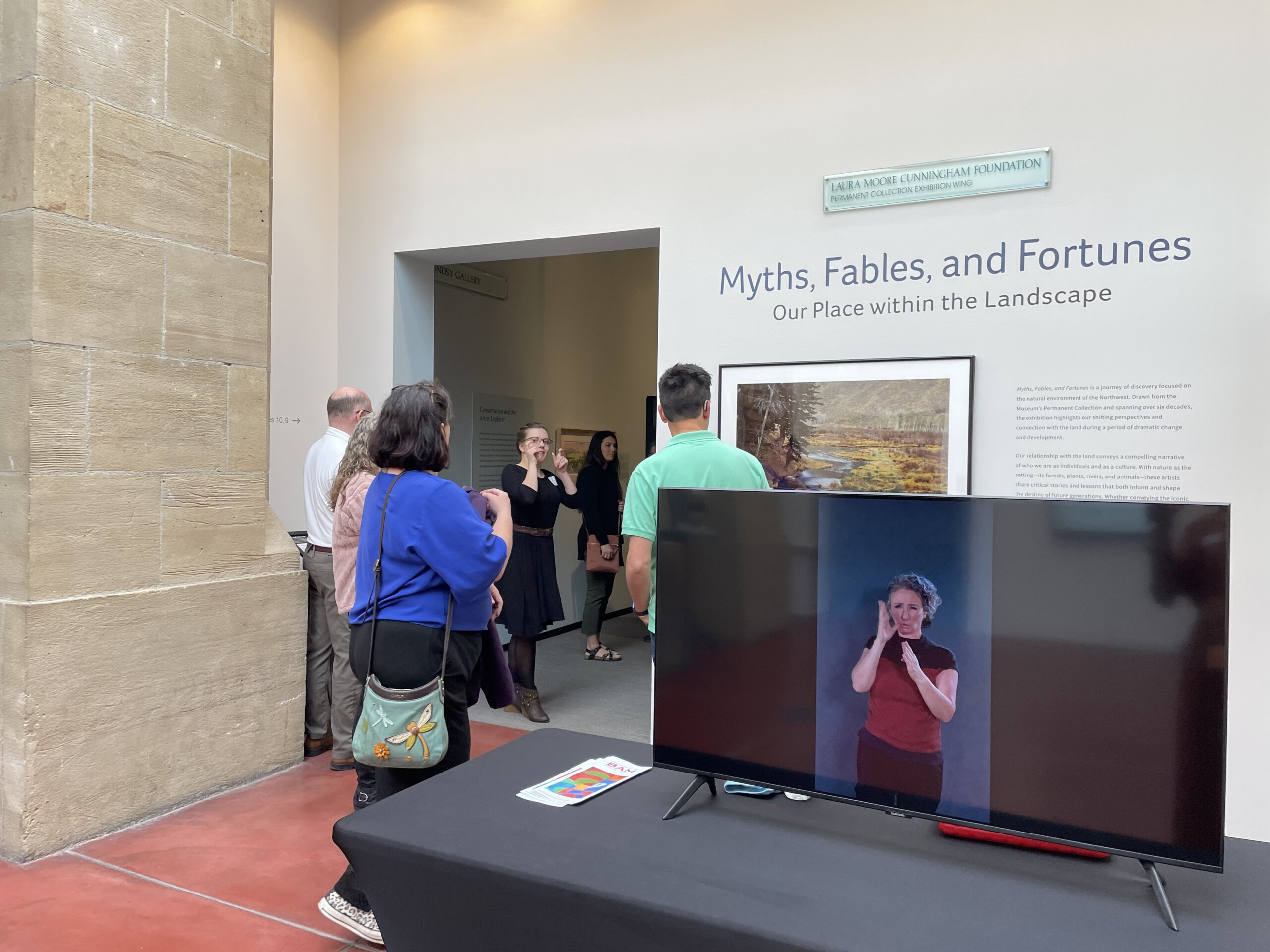
PAC worked with Boise Art Museum to develop Deaf-centered ASL label videos, welcome materials, staff training, and sustainable production workflows shaped by a Deaf Access Working Group, establishing ASL as an integrated part of the museum’s exhibition interpretation.
Media
Project Description
Offering multiple languages is both an access affordance and a form of cultural inclusion. Yet most museums operate under a narrow assumption: if deaf visitors can read content in English, their needs are met. For many deaf people, that assumption fails.
American Sign Language (ASL), used in the United States and much of Canada, is not simply a translation tool; it is the primary language of many deaf people, with its own grammar, syntax, idioms, and cultural context. Like all languages, it carries identity, belonging, and a way of understanding the world. Treating English as the default mode of access does not extend inclusion; it creates an othering experience.
Working with Boise Art Museum (BAM), Prime Access Consulting (PAC) helped reframe what access looks like when language is the barrier to inclusion.
This work built on a two-year Museums Empowered grant from the Institute of Museum and Library Services (IMLS) from 2020 to 2022, which focused on capacity building by interrogating institutional practices and placing accessibility at the core of decision-making.
During that initial grant, a Disability Community Advisory Group (DCAG) was formed to ensure that disabled leadership and feedback were embedded into the museum’s work. Members of that group made it clear that the next phase needed to focus more directly on deaf inclusion. From 2022 to 2024, BAM received a second Museums Empowered grant to do just that, moving beyond text-based access toward Deaf-centered experiences grounded in ASL, community collaboration, and shared authorship.
Central to this work is the understanding that access cannot be designed in isolation and must be led by those most impacted. PAC supported BAM in establishing a Deaf Access Working Group (DAWG), creating sustained relationships with members of the Boise Deaf community. Like the Disability Community Advisory Group, this working group was not positioned only as a source of review, but as an active contributor, advising, testing, and shaping the work as it developed.
Over the course of the project, PAC and DAWG members met regularly to evaluate prototypes, identify gaps, and refine the direction of ASL interpretation and broader accessibility efforts. Their involvement extended beyond feedback into authorship, influencing not only what was created but how it was created.
As the project developed, with guidance from the DAWG, three primary areas of focus emerged: developing ASL video interpretation for exhibition labels, improving the welcoming experience through visitor services and onboarding, and offering a Deaf-centered event to both test and celebrate the work.
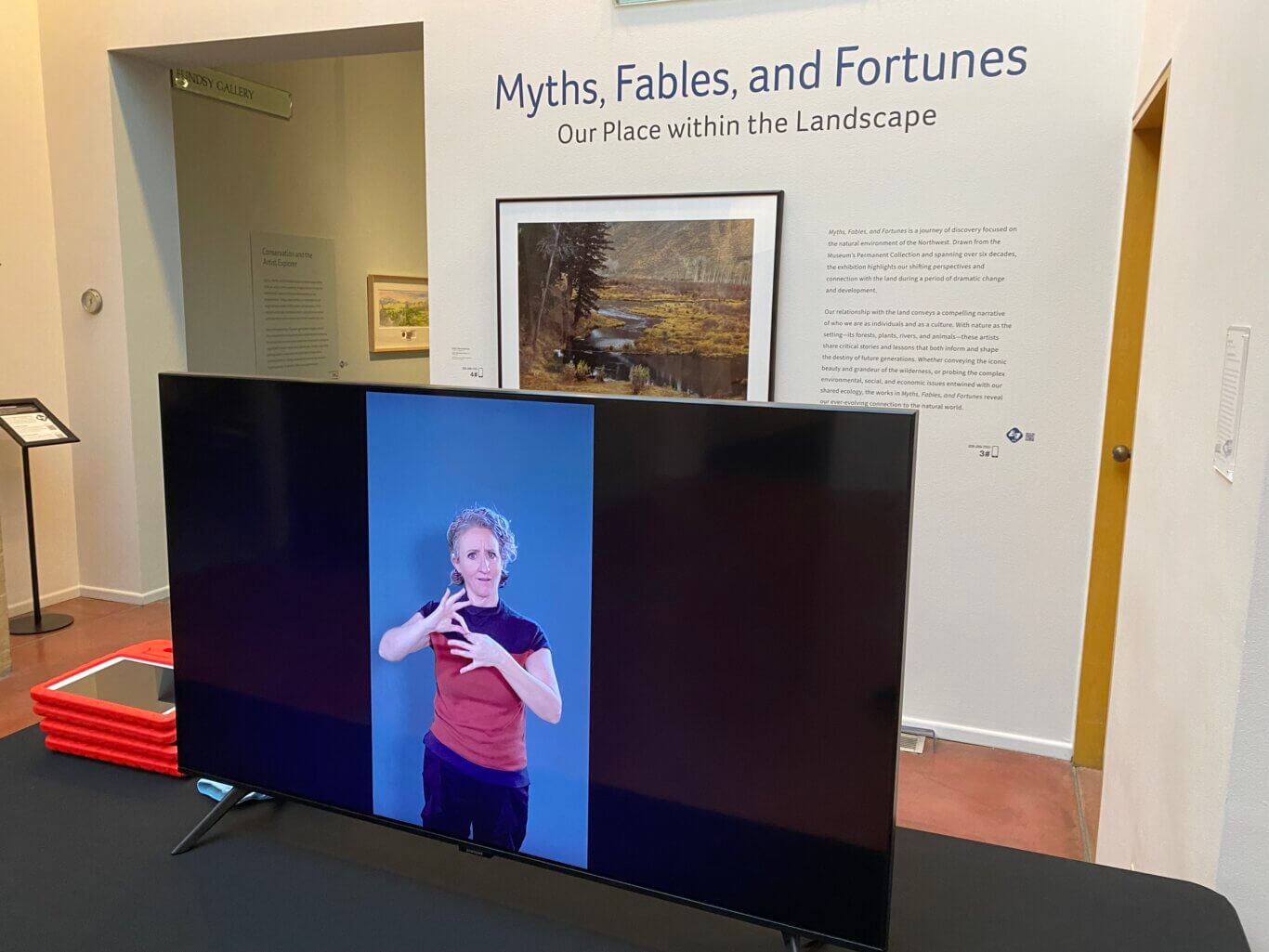
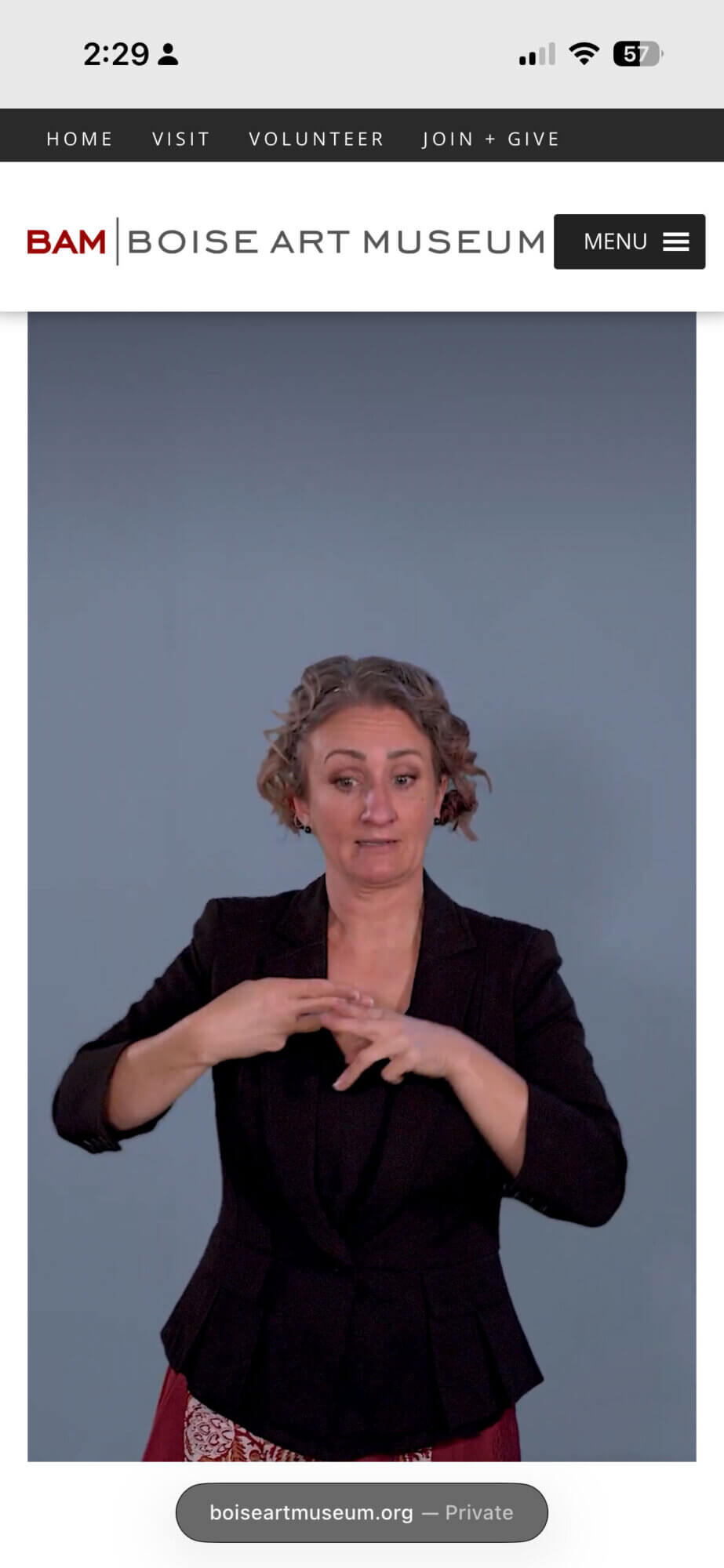
PAC supported BAM in developing ASL video interpretation for artwork labels in an upcoming show of BAM’s permanent collection, as well as museum onboarding materials designed to function as primary points of access rather than secondary layers. These videos were created in-house with Deaf sign talent, ensuring that the language, pacing, and expression reflected ASL as it is used within the local community.
This distinction matters. Interpretation developed from written English and delivered by Deaf signers brings nuance, cultural context, and a different mode of engagement than translation by hearing ASL users. It creates a sense of familiarity and belonging, an experience led by people who share a cultural and linguistic identity with the audience.
Equally important was ensuring that this work was not a one-time effort. To make it sustainable, new workflows for ASL content production were developed, integrating them into exhibition and digital systems while establishing standards for how ASL is presented, accessed, and maintained over time.
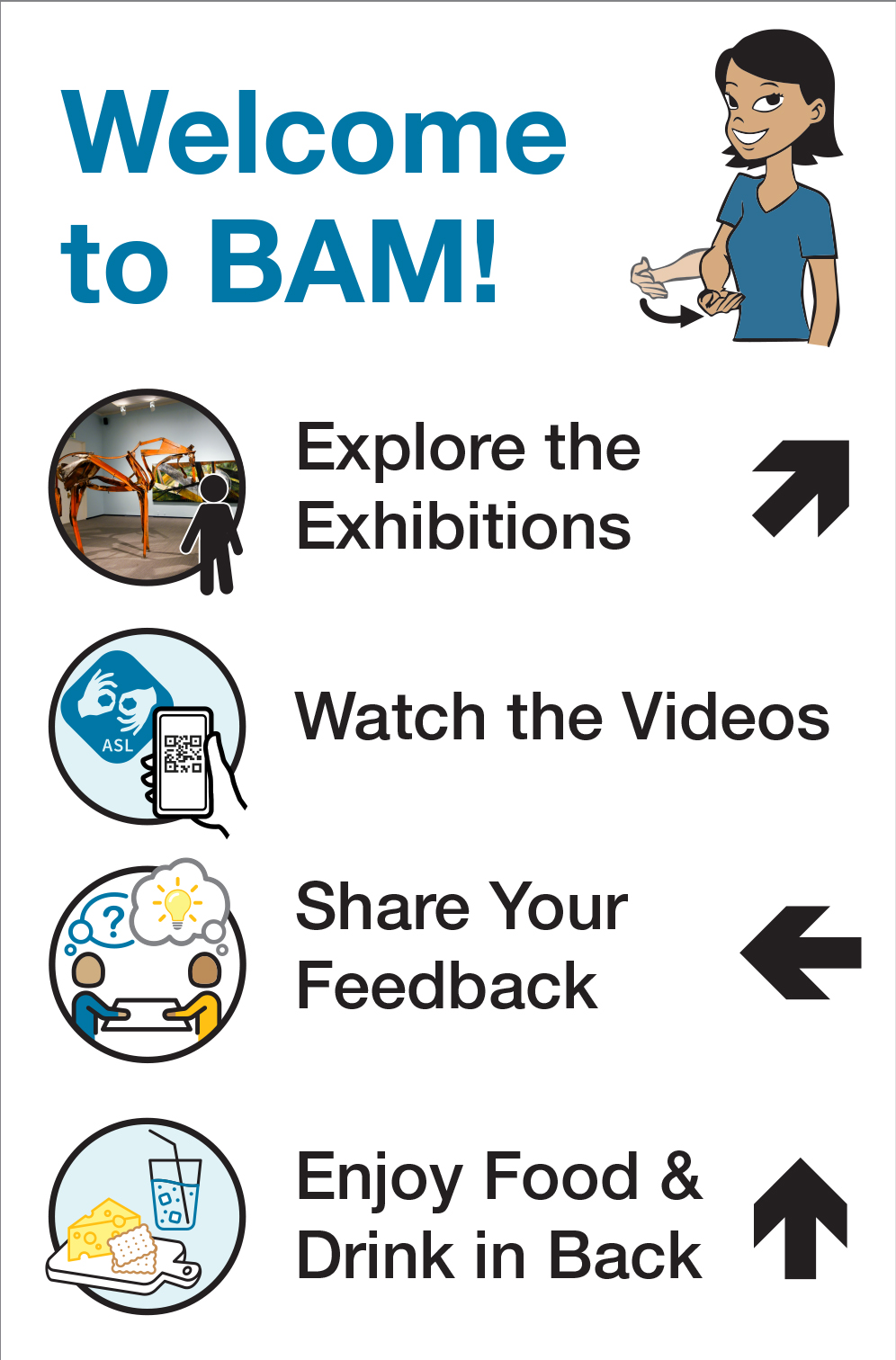
Recognizing that the first point of contact shapes whether visitors feel welcome, PAC also worked closely with front-of-house staff through coaching and office hours. Trainings focused on how to welcome, communicate with, and engage deaf visitors, setting the tone for the entire museum experience. The first video visitors encounter is a welcome in ASL, introducing how to navigate and access content throughout the museum.
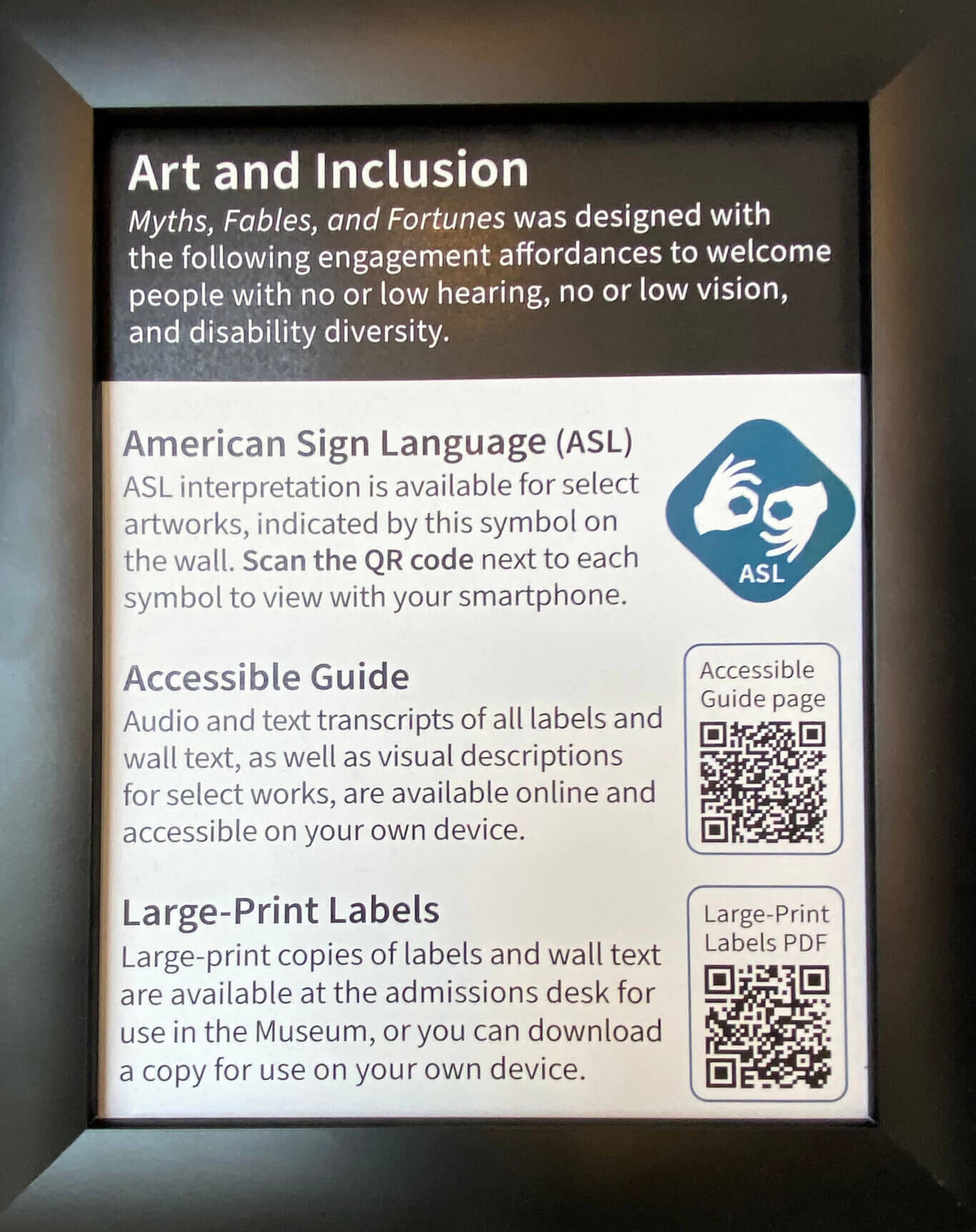
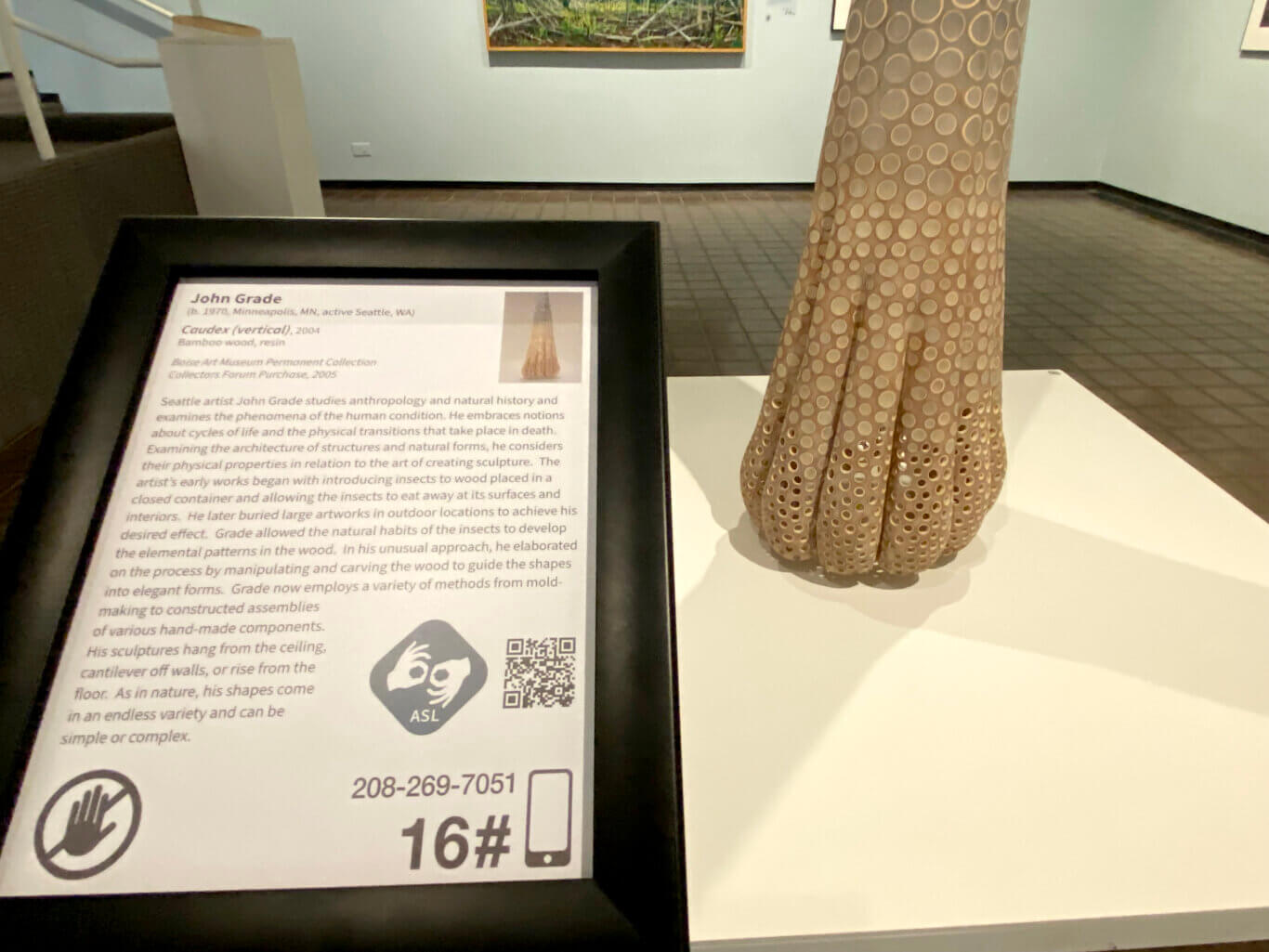
Visitors engage with ASL interpretation in the galleries through QR codes placed alongside artworks, leading them to videos hosted on BAM’s website and allowing them to access content in their primary language.
Community Celebration
Many museums assume that creating inclusive experiences is enough to bring disabled audiences in. In reality, the legacy of exclusion and the lack of trust that comes with it require more deliberate effort. Repairing those relationships means actively creating space for the community to feel welcome, not just providing access to content. The DAWG advised that a Deaf-centered event would be critical, not only to test the work, but to signal that BAM is a place for the Deaf community.
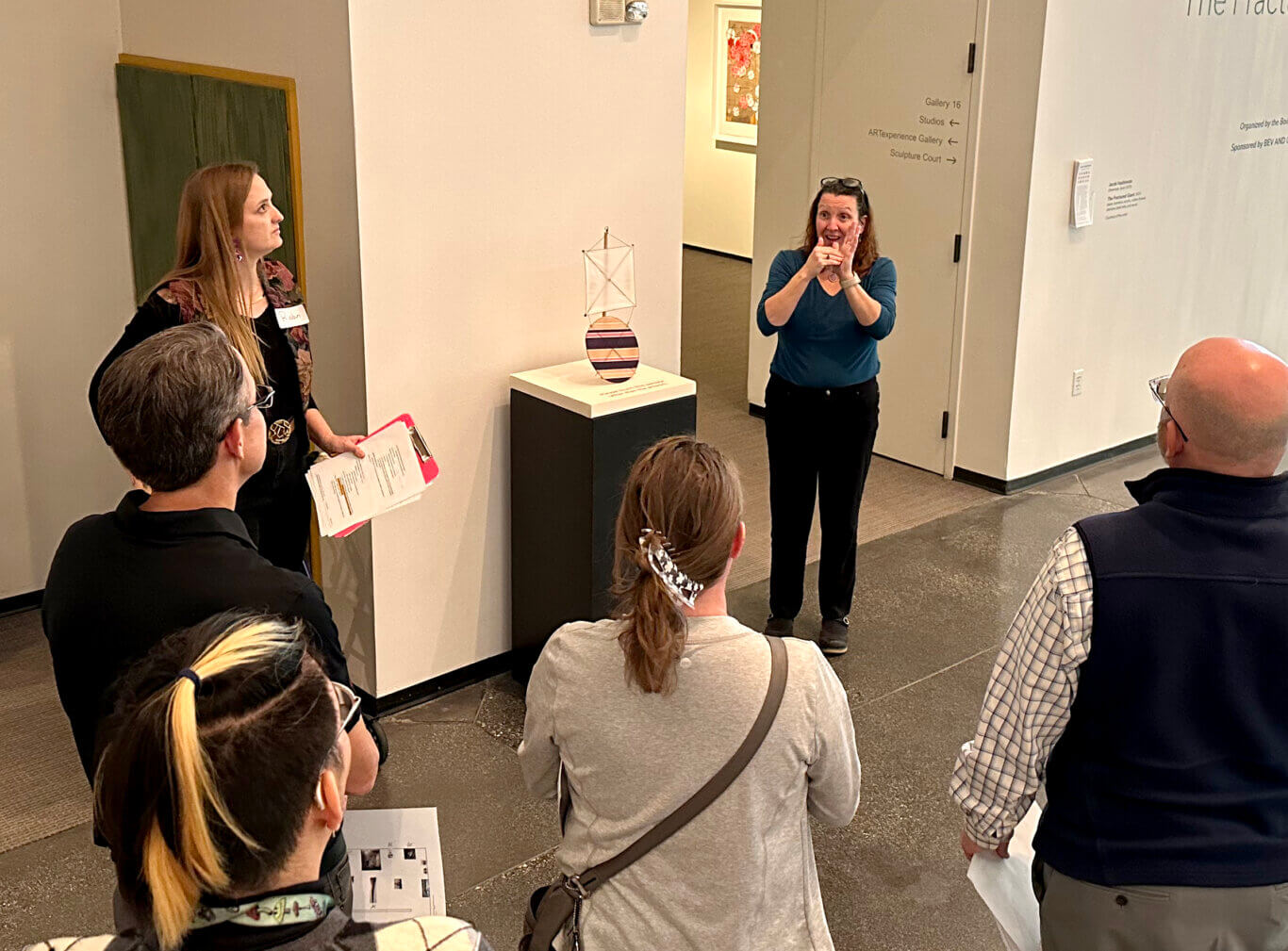
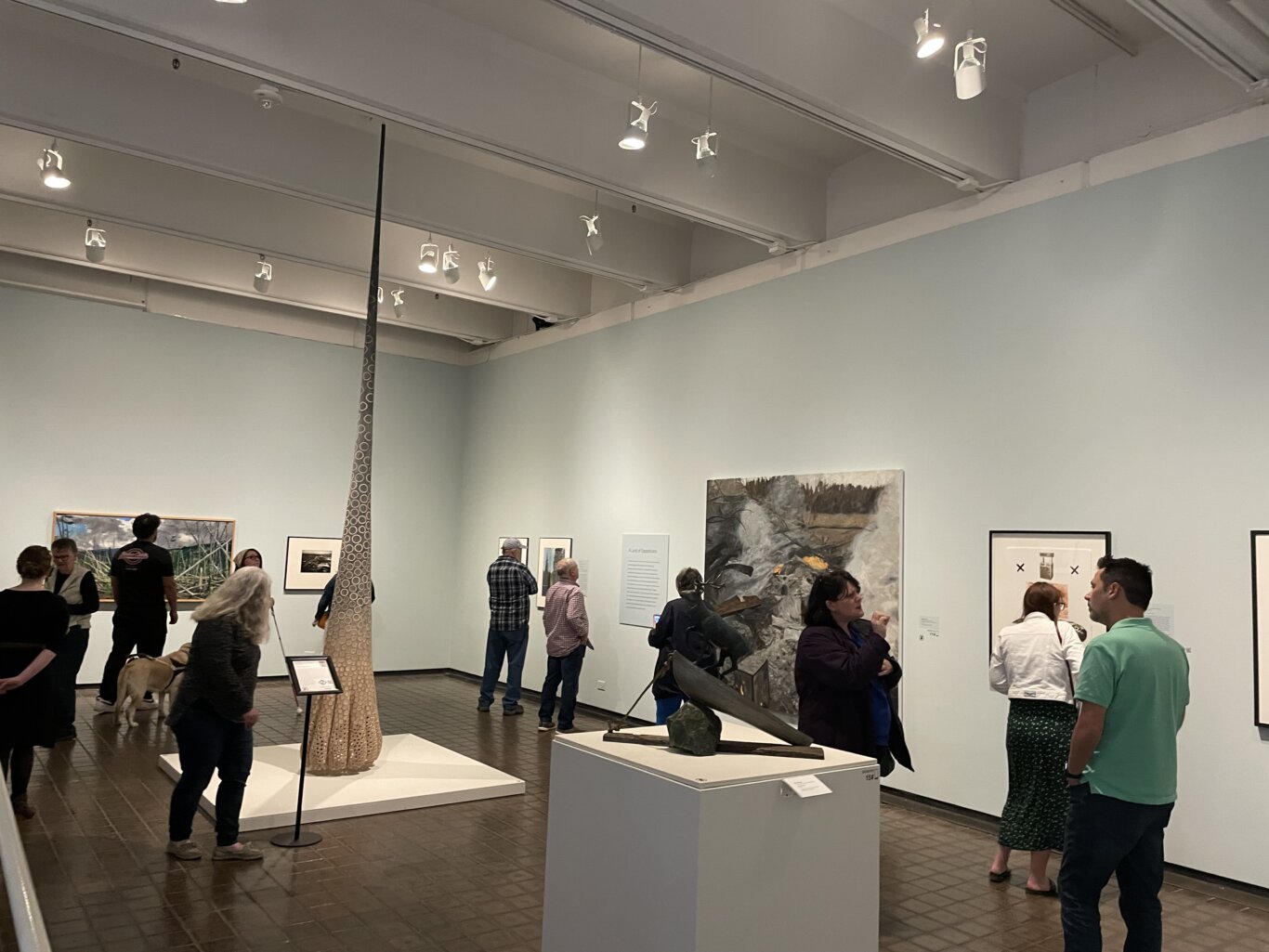
That shift became apparent during the event designed to launch and evaluate the ASL interpretation in context. Attendance exceeded expectations, drawing both RSVP’d guests and many who arrived through community networks. For some attendees, it was their first visit to the museum in decades, if not ever. A group of students from the Idaho School for the Deaf and Blind traveled more than an hour to attend. Many visitors arrived early and stayed long after the event formally ended, spending time in the galleries and with each other.
There was a palpable sense of energy in the space, something closer to belonging than simply access.
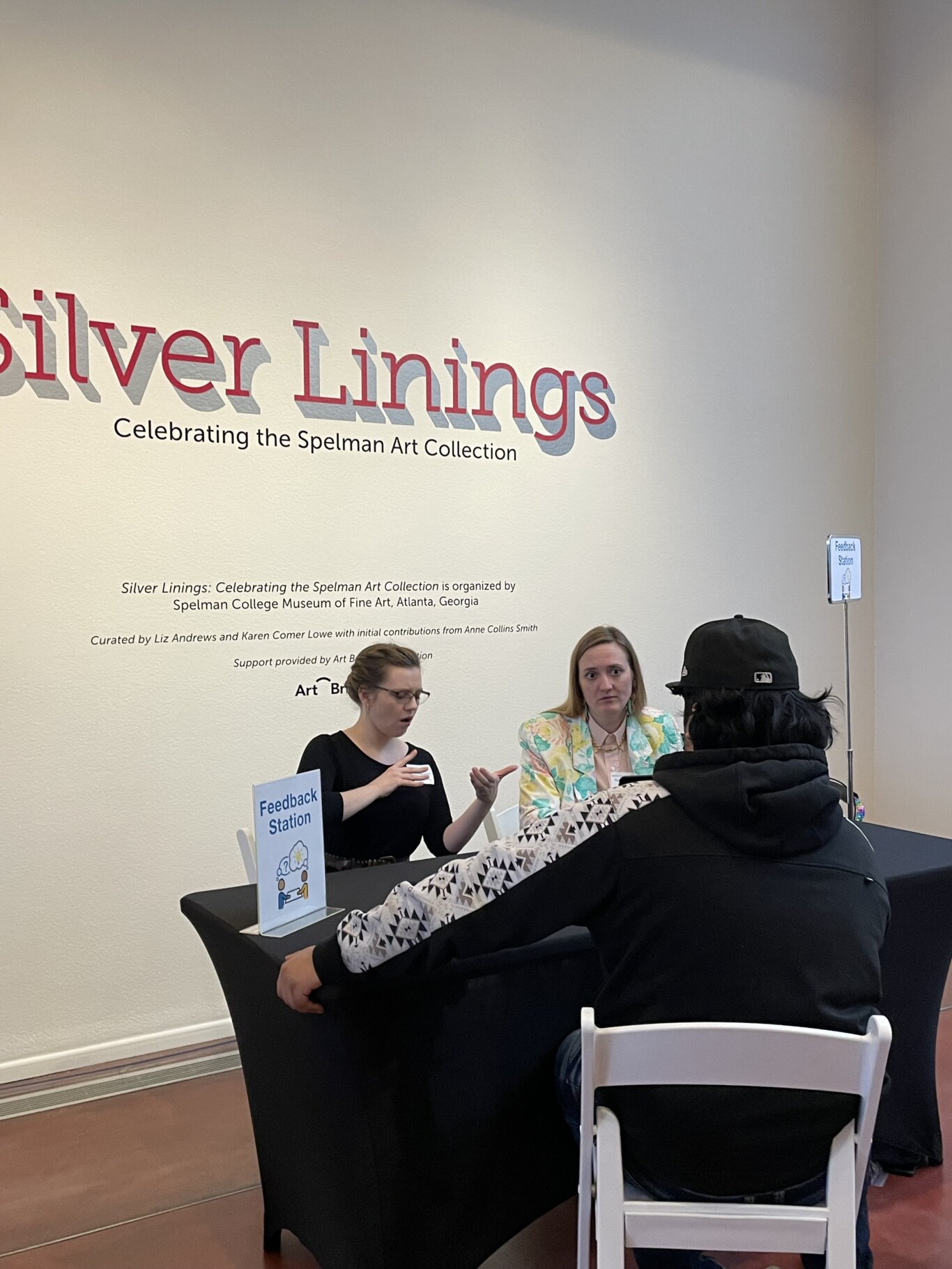
Rather than relying on written surveys, the event was designed to gather evaluation through witnessed interactions in the gallery and direct conversation. ASL was the primary language of engagement. Visitors moved through the galleries using the same tools being tested, accessing ASL videos directly within the exhibition. Interpreters were present for those who did not use ASL, reversing the typical dynamic.
Feedback was gathered through conversation in ASL, through interaction, and through presence, not written English forms. This approach echoed the principles of community prototyping sessions, treating community members as active participants in shaping the experience rather than as end-stage reviewers. Visitors offered both constructive insights and strong emotional responses.
“When I see things in sign I feel it better… it made me more excited for the community.”
“Reading in English doesn’t have the same impact… it really helped to have it in sign.”
“I have no words… it really touched my heart.”
These responses point to something beyond usability. They reflect a shift in how the museum is experienced emotionally, culturally, and socially.
Continued Impact
To extend the reach of this work, BAM, PAC, and Deaf sign talent Tara Adams presented on the project at the Western Museums Association conference, sharing both process and lessons learned.
Locally, the work also engaged the broader arts community. Through the Directors Network, a coalition of arts and cultural leaders across Boise, PAC facilitated two inclusive design workshops, helping organizations across disciplines adopt more accessible and welcoming practices. This approach ensured that the impact extended beyond BAM, contributing to a growing community of practice.
The project also strengthened BAM’s relationships with community organizations, including the Idaho Council for the Deaf and Hard of Hearing, the Idaho Assistive Technology Project Advisory Council, the Idaho Center on Disabilities and Human Development, the Idaho Commission for the Blind and Visually Impaired, and the Idaho Access Project.
ASL is no longer treated as a supplementary layer at BAM. It is becoming a standard part of how the museum interprets and presents its collection. Deaf visitors are not only accessing content in their primary language, they are helping define how that content is created.
The impact has also been formally recognized. In 2024, BAM received the Award for Excellence from the Idaho Council for the Deaf and Hard of Hearing, recognizing its commitment to making exhibitions “come to life for patrons who use American Sign Language as a primary mode of communication.”
In the award letter to Boise Art Museum, Tara Adams of the Idaho Council for the Deaf and Hard of Hearing wrote, “The commitment of BAM to making exhibitions come to life for patrons who use American Sign Language as a primary mode of communication has been notable. The Boise Art Museum has expended time, talent, and resources dedicated to improving the quality of life for Idahoans who are deaf or hard of hearing.”
This work has established a foundation for continued growth: a scalable approach to ASL integration, sustained relationships with the Deaf community, and internal systems that support ongoing development.